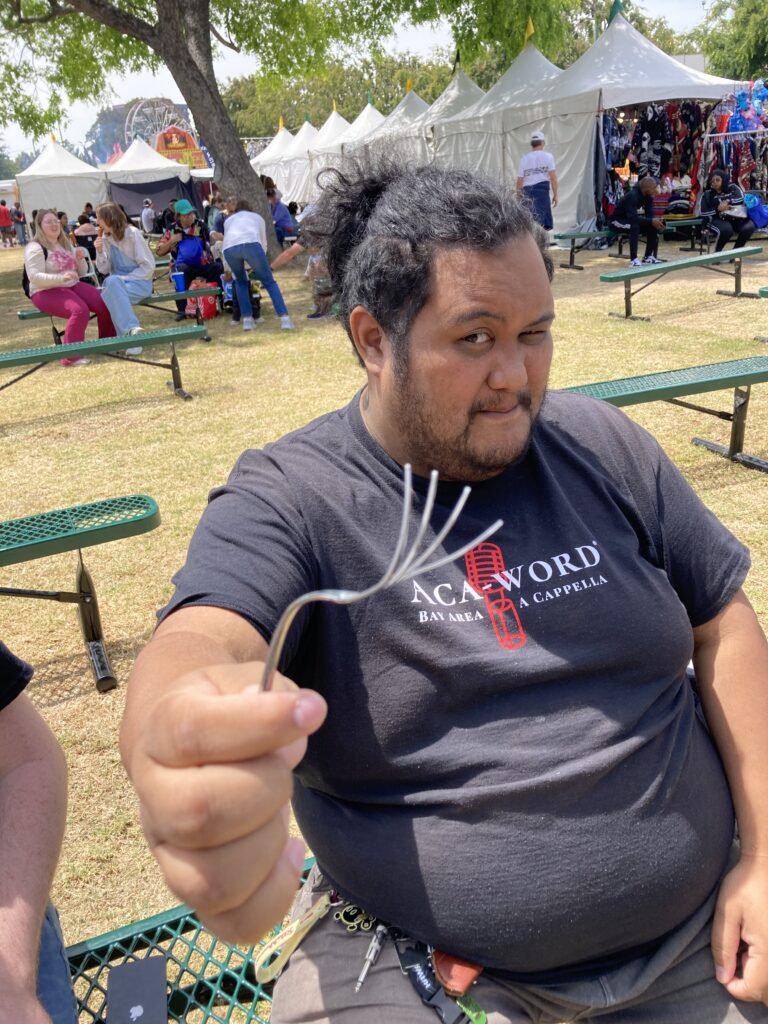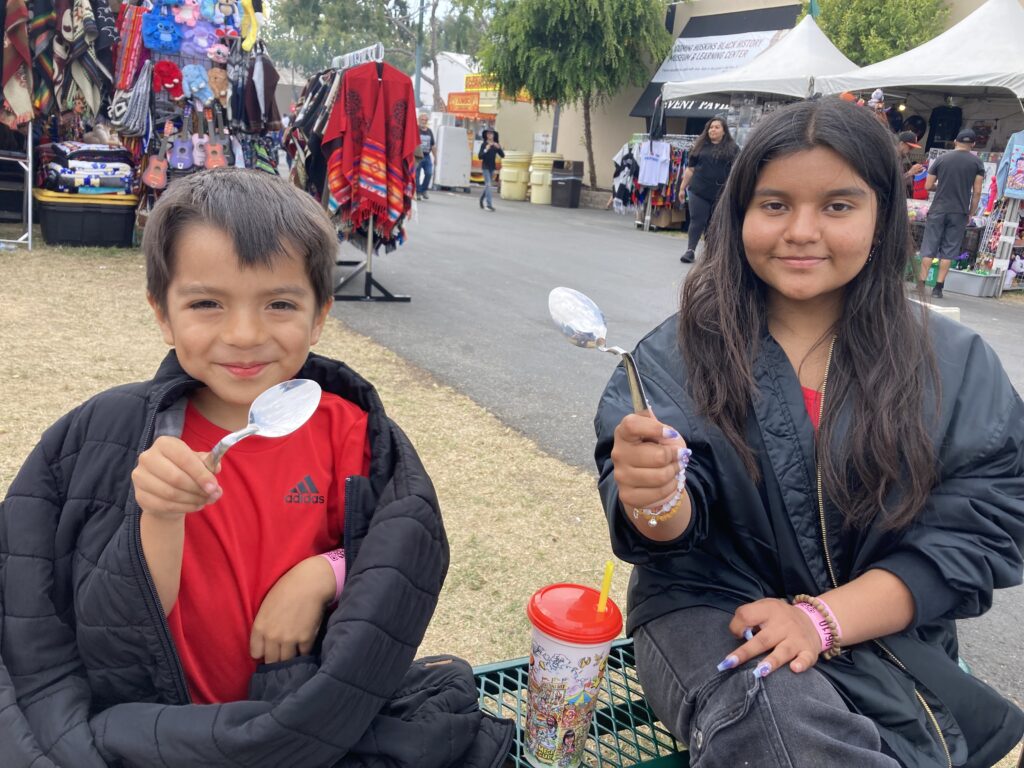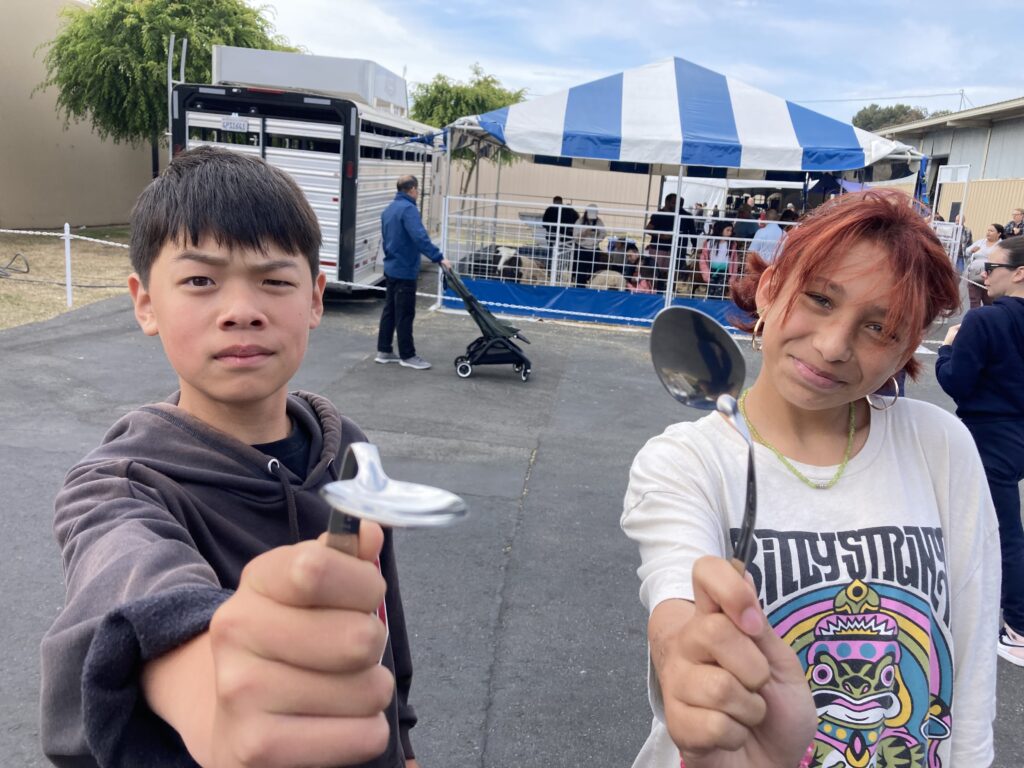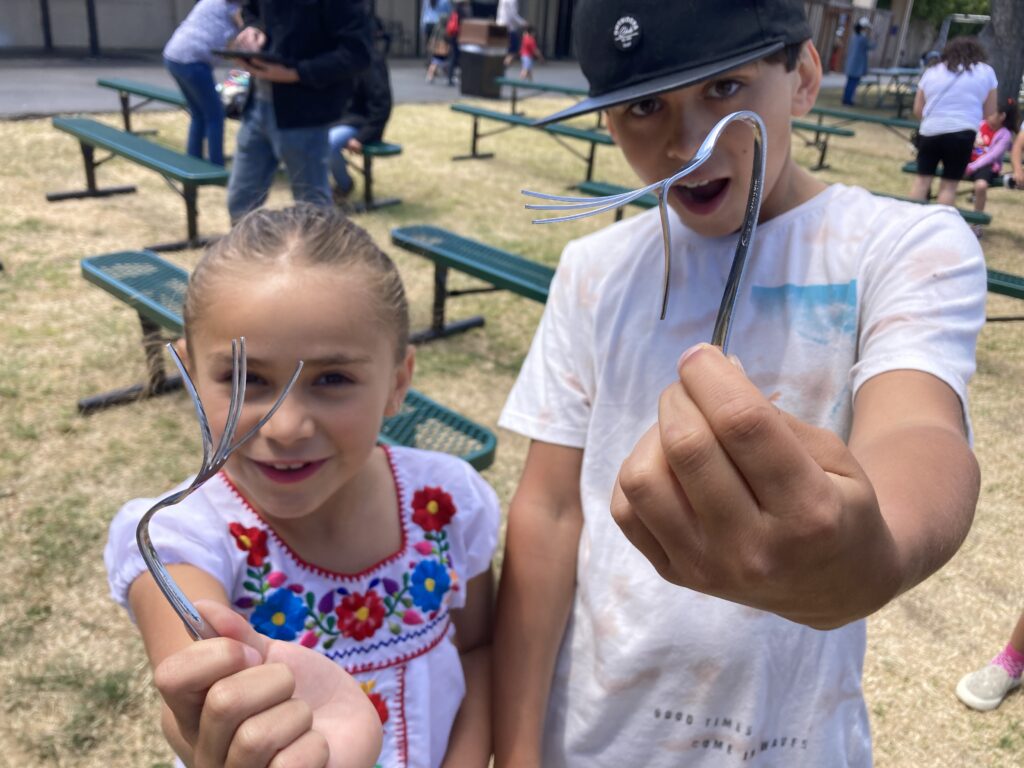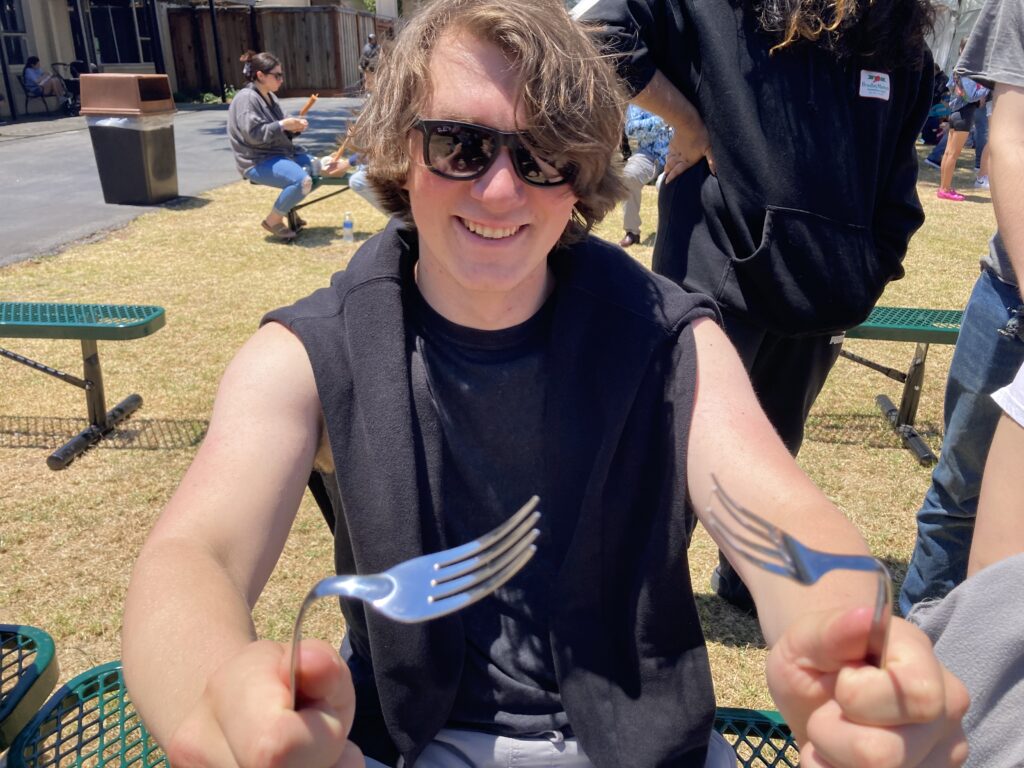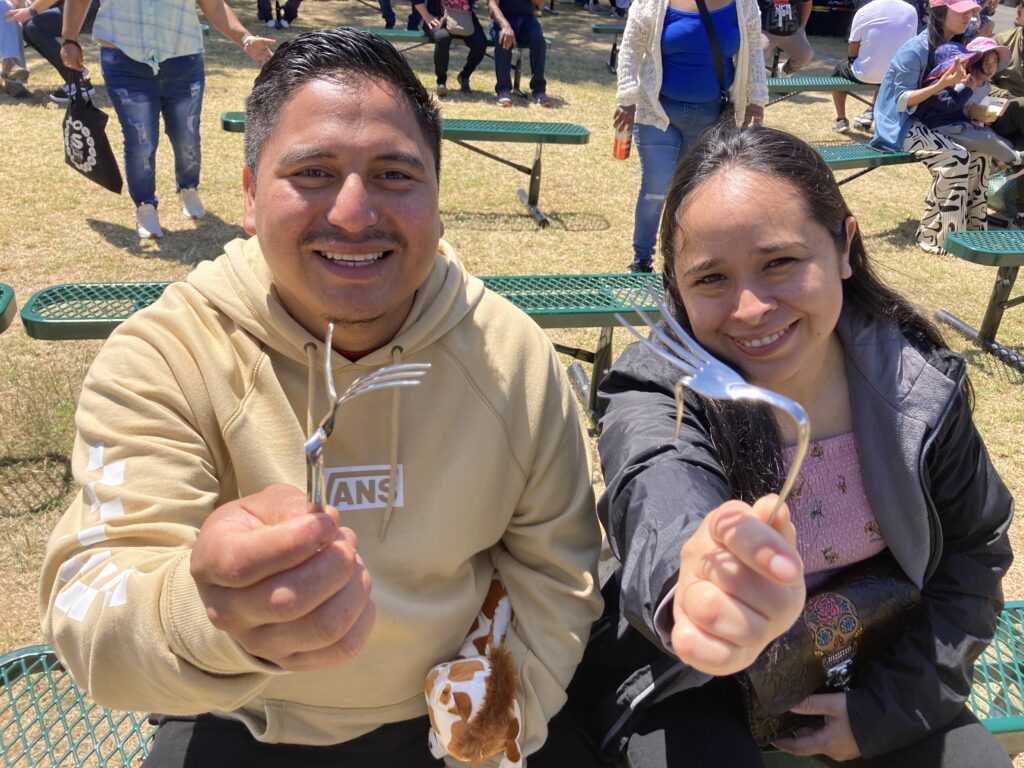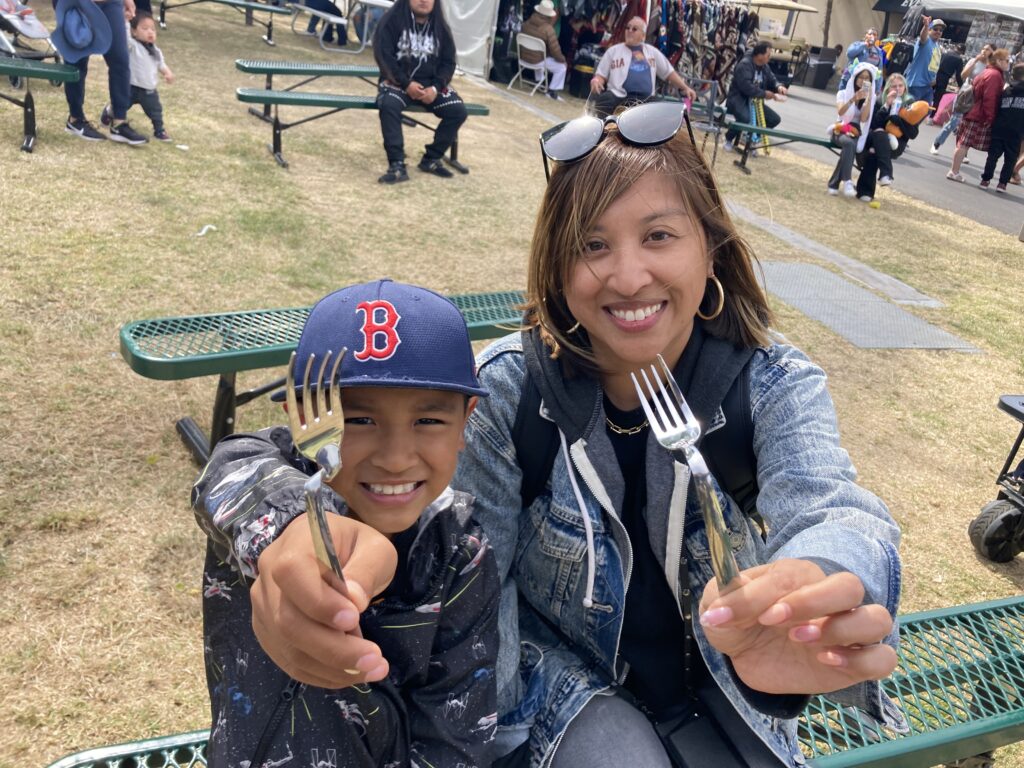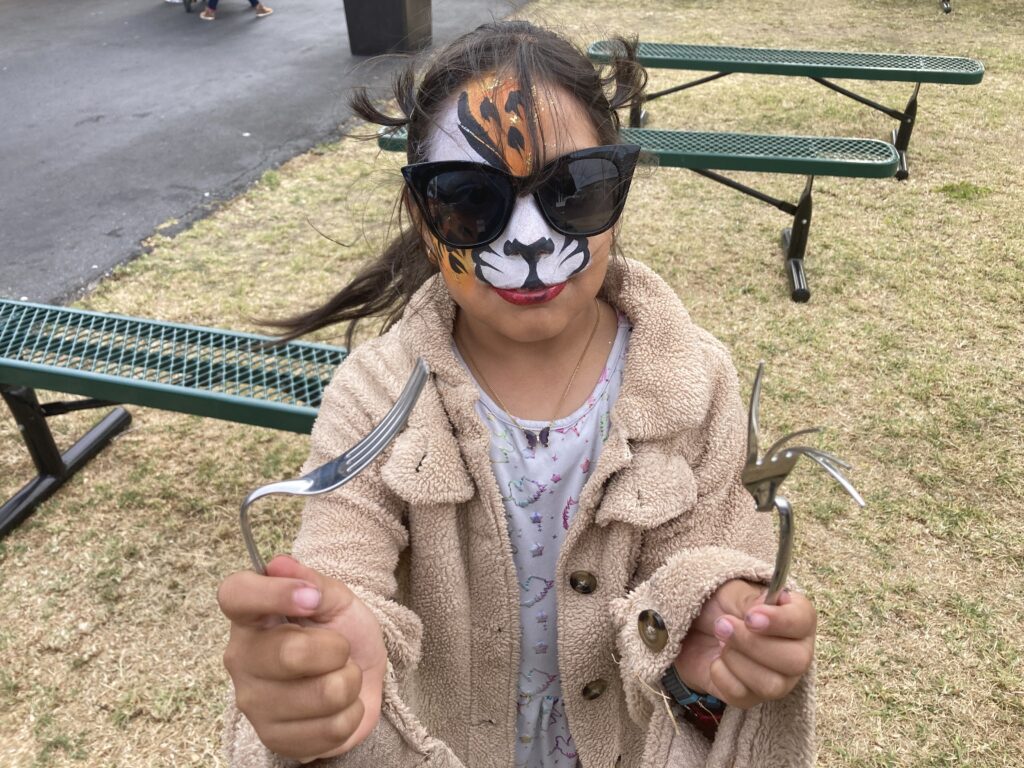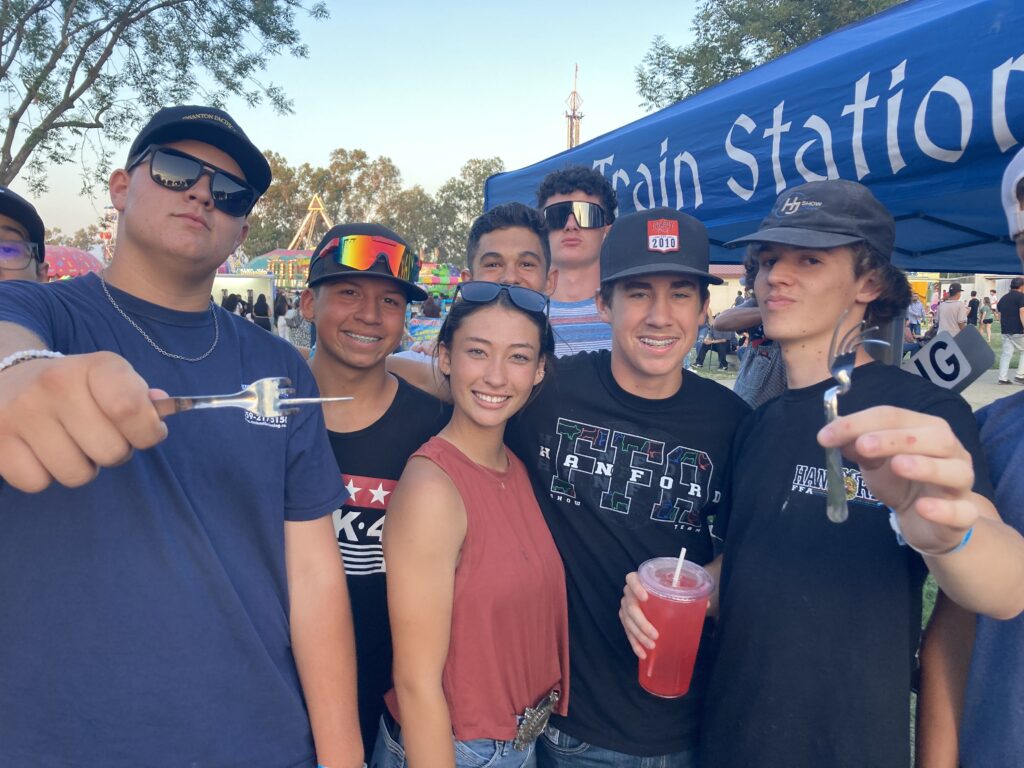
I’m glad I started doing spoon/fork bending again, it’s a lot of fun, but it also makes really great pictures!
A lot of magic tricks can’t really tell a story, but a bent fork or spoon definitely does! I’m having a blast doing this in my show! If you’re interested in spoon/fork bending, look into Ben Harris’s book Bend it Like Geller!
One thing I’ve noticed that I do is over write my patter for my tricks. The early versions of the tricks are full of stuff that ultimately will be cut. I do think that’s a good way to do it, over write and figure out what’s good and what isn’t. I try to initially fill a lot of verbal space, then cut out what doesn’t work, leaving only the best parts.
The trick I’m working on that’s essentially a clock prediction:
The presentation hook is about my cat, and that seems to be something that people really connect with!
I think that another huge part of putting together routines is finding some sort of presentation hook that people can relate to. There are definitely people who are a lot better at this than me, but I’m trying…
I’m about halfway through Ben Harris‘s book Bend it Like Geller and it’s a fun read. I didn’t know a lot about David Berglas and Uri Gellar‘s meetings and eventual friendship. It’s a fun read, just for the history of spoon bending.
I really liked Richard Busch‘s essay and while I think I got what he was talking about, it might be worth a reread. The Busch Effect as he calls it, got me to add something presentational to my spoon/fork bending.
One of the cool things about performing at a fair while reading this book is that I have a lot of opportunities to play with the techniques and ideas in this book.
On a side note, it’s been years since I’ve really played around with spoon bending and since then, I’ve learned to do the strongman stunt of ripping a deck of cards in half. That has given me some good hand strength and putting the bends into the spoons/forks is way easier than I remember!
This week I’ve started reading Ben Harris‘s new book Bend It Like Geller. This book is about Uri Geller and spoon/metal bending.
I’m not very far into it, but I didn’t know that according to Ben that Uri Geller was the first person to really bend spoons. That kinda suprised me, Ben mentions that there were spoon bends before Uri Geller, but they were mostly gags, and not bent with your brain power.
This book also goes into routines and methods for different bends. I picked up a few packs of spoons and forks from Costco, so I can work through the book.
I’m enjoying this book so far, and Ben Harris always does a good job with how he lays out the book, and it looks super slick! -Louie
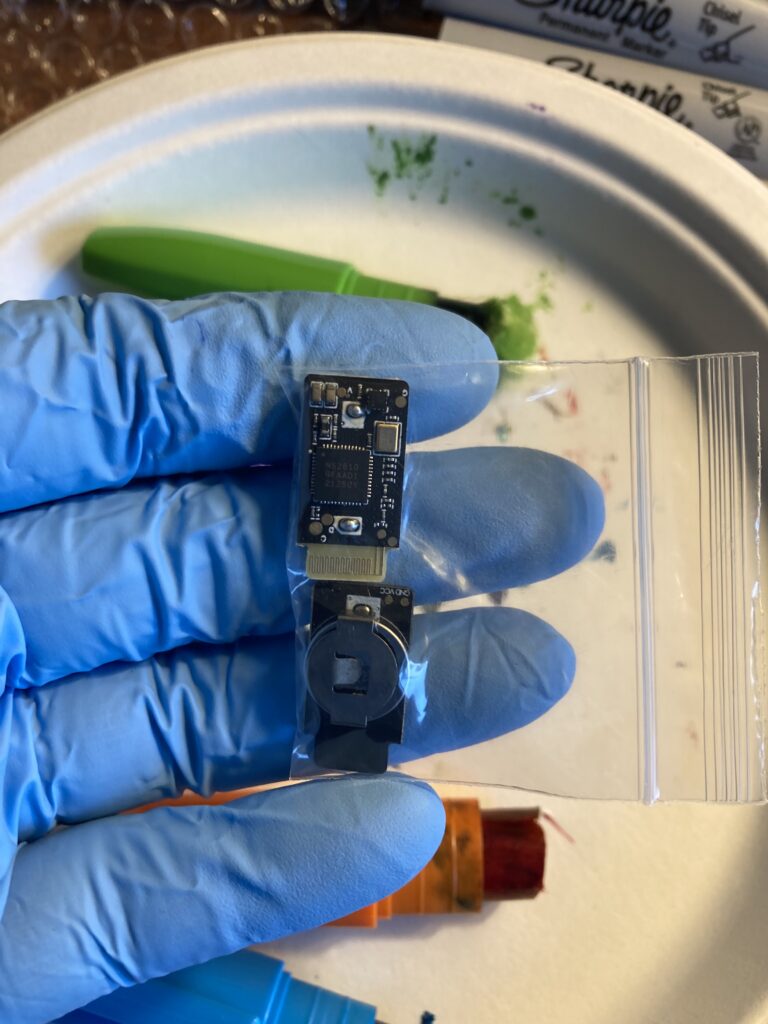
Over the past few months I’ve written about working on my Pitata Magic Time Hacker routine. One thing I noticed in a picture of it was that the gray hands on the white background don’t really pop visually onstage.
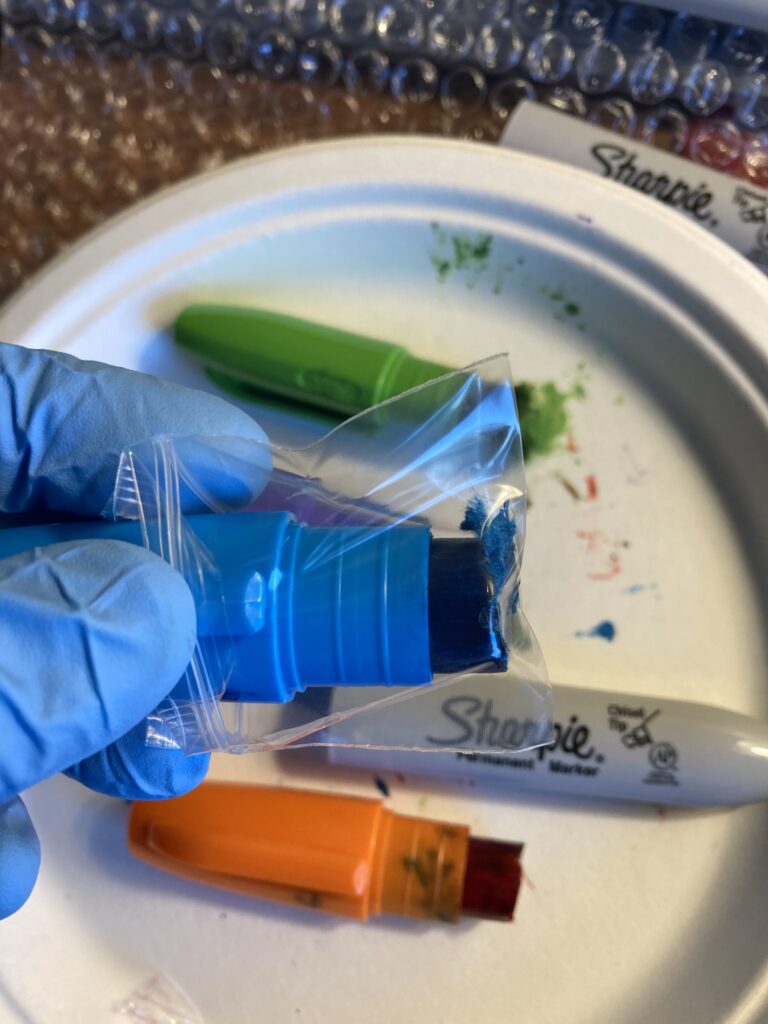
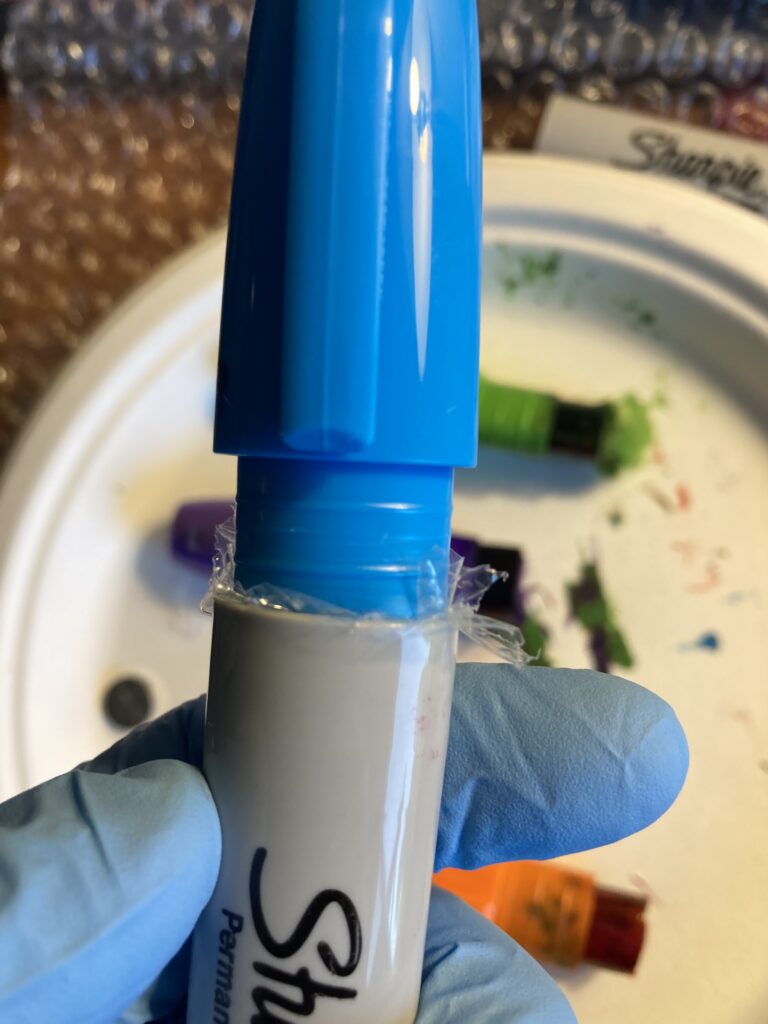
I took a black marker and colored in the hands on one of my clocks:
It really makes the hands easier to see and the clock play a few rows further back in the audience. The bigger issue that I think this trick is fighting visibility wise is glare off of the plastic clock face. I don’t think there’s really a reasonable solution, unless there’s an easily applied anti-reflective coating, but even then I don’t know how much that would actually help.
A couple of days ago someone asked in a Facebook group for more info on how to get gigs performing for seniors at things like retirement communities and my book was recommended!
I used to perform 1-2 senior shows A DAY on the weekdays when I was younger, and would go on road trips where I would perform up to 5 seniors a day for a few days in a row!
I still love performing for seniors, however my current performing markets make it hard to do very many of them anymore. But I have a blast when I get a chance to do them!
Here’s a taste of one of my shows for seniors from a few years ago:
On Saturday I performed at the Oddities and Curiosities Expo in Grand Rapids, MI. This was a fairly unusual situation for me performing as the audience was standing, there was no seats. For me, the challenge was getting people to stand for 30 minutes. A standing audience is very different from a sitting audience.
It was also a family audience that wanted edgy, which is a very fine line to walk during your show. I was able to do a lot of bits that I wouldn’t normally do in my show as they’re slightly too edgy for a general audience, but worked great for this crowd.
This was an audience that was ready to see a show, and there were great audiences, and we packed the space with people standing. If I ever do one of these again, I’d probably take more tricks that have a lot of build up, and a singular payoff, versus routines that have multiple smaller effects.
For example I brought my object in ball of yarn that’s 8 minutes and has a couple of mini tricks before the final trick a the end. I should have done my blindfold which is also about 8 minutes and has a single reveal at the end.
Last week I performed in the Moisture Festival in Seattle and had a blast. One of the acts that I worked with was Paul Draper. I didn’t know a ton about him, I think we both did a virtual magic convention together a couple of year ago.
It was a blast seeing him, he’s got a lot of energy onstage and is very likable! Being likeable is 99% of the game!
One night Paul hosted the show I was in and he’s also a solid host, who kept the show moving. This is an important skill when the show has 9 acts plus the emcee!
If Paul is performing near you, check him out, you can learn a lot by watching him!
-Louie PS I did interview Paul Draper for the Moisture Festival Podcast and you can listen to his episode here: http://www.magicshow.tips/moisture-festival-podcast/the-moisture-festival-podcast-paul-draper/
While I don’t think this is the best idea for magic app, if someone made it, I would buy it. The premise is someone names a place and time and that’s the meta data on the photo. The app would change the meta date for a picture. Ideally this would be a picture that you text someone, but could be on your phone.
I’m going to imagine that it wouldn’t be hard for someone to make an app that does that. You could key in the state and time info when you use your six digit unlock screen.
I don’t think the trick is strong enough for a stand alone trick, but used in conjunction with something else as a kicker to a prediction. Like maybe it’s a confabulation, so the picture is one reveal, and the date and time are another reveal.
One of the symptoms of getting older is that my vision is going. One of the tricks I’m working on this week is Time Hacker by Pitata Magic. The device has switches and the functions are molded into the plastic. Unfortunately I can’t easily read this stuff anymore, so I had to add labels the unit and a cheat sheet to the board that the remote is mounted on.
It’s little things like this that make setting up the show much easier and will reduce the chance of mistakes. For example the remote has two modes and two switches, and it’d be easy to forget which is which. Now I really have no excuse to flip the wrong switch.
Look at your show and try to find spots where you can dummy proof or at least reduce the odds you’ll make a dumb mistake.