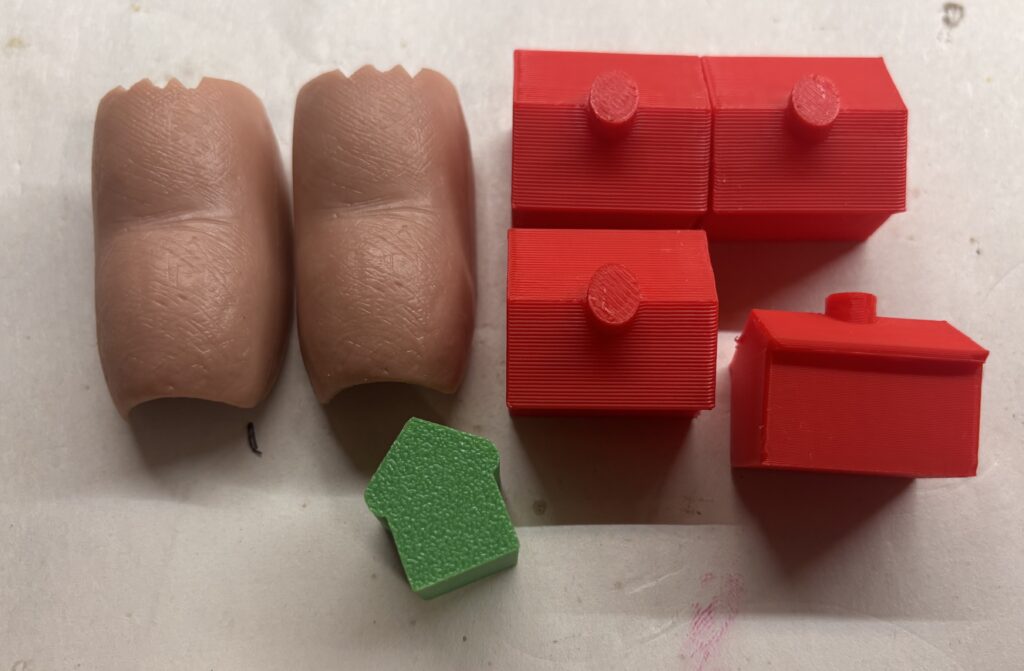
Yesterday I made a post about David Regal’s Off With His Head. I wanted to add a third beat to it, and one of the ideas I mentioned was making the three cards that weren’t selected blank. This is really following the B’wave format.
Here’s it with the three blank cards as the ending:
I think it’s (for me) a better trick than the original and away to turn B’wave from a mindreading trick to a magic trick.
A few weeks ago, I wrote a post about a magic prop that broke. That prop was ProMystic‘s Inception, so not a prop that can be easily fixed. I’ve had this prop for probably close to a decade, and this is the second time I’ve sent it to them; the first time, I cracked the screen. That’s a long life for a prop that performs as much as I do!
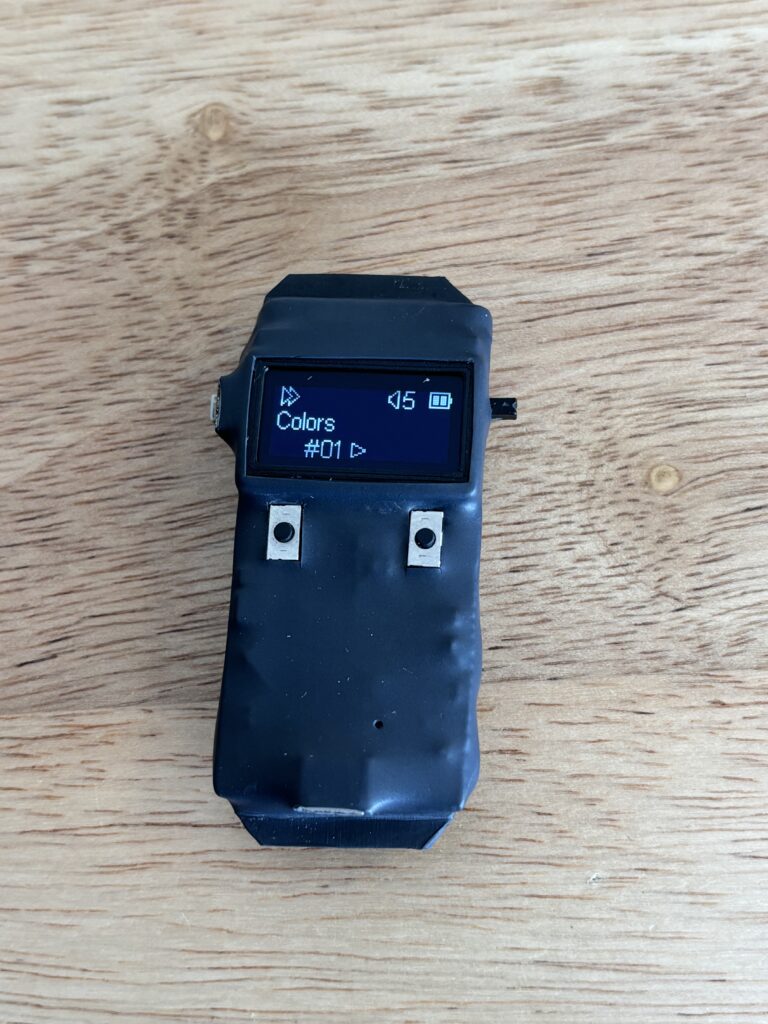
I just got my unit repaired until back from ProMystic and it works great!
They do a great job servicing their items, and the fix plus shipping was super cheap…and fast! It’s always great to have people who make products that can provide service for them after the initial sale. Many magic manufacturers will just tell you to buy a new one, which I understand; sometimes it’s cheaper/easier to replace than repair. It’s always a bonus when when I can just have the existing one fixed!
When a magic prop breaks, what is your plan? I’m not talking about if it breaks during a show, but while you’re on the road traveling. Recently, I got to a gig and was setting up, and the prop wasn’t working. It’s an electronic prop, and if you’ve read this blog, you know that I try to use analog methods whenever possible. However, there are times when an electronic prop is the best way to do it. I’ve planned what to do if they fail during the show.
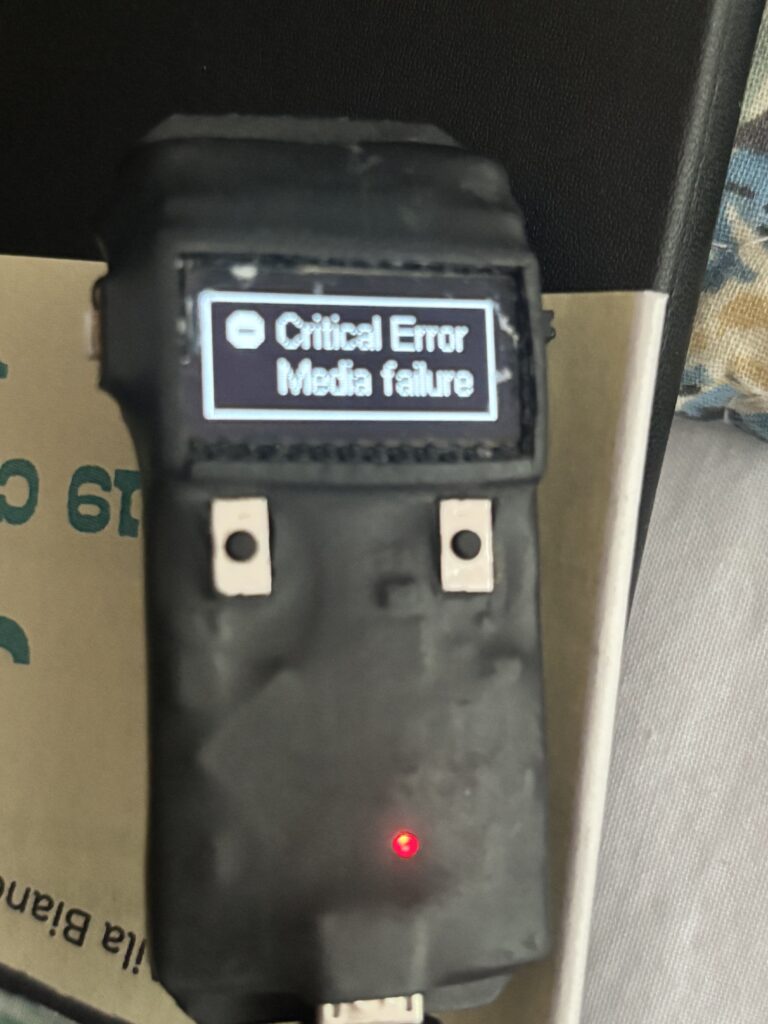
At the show recently, I was setting up and noticed that I had left my Inception unit on, so it needed to be charged. After charging it, I got this screen:
That’s not good. That’s where my backup plan kicks in. I have a Blackbox Magic Mental Voice in my case. This is my emergency backup unit, as my routine is an 8 minute chunk of my show, so a large part of the show.
I’ve had the Inception since it came out; I was part of the preorder, so I’ve had this for a long time! I sent it back for a repair once because I managed to crack the screen. I have a feeling that it may be time to buy a new unit. This one has served me well for YEARS! I’ve contacted ProMystic’s customer support, so we’ll see what my options are for repair. They do a good job supporting their product after the sale, unlike many magic companies!
We’re at the end of the summer and the Summer Reading Library shows are done. Here’s look at the props that I have on my person during the non-themed library magic show:
And here are the props in my prop bin:
This show had a pretty simple set up, it took about 15 mins to set and strike the show. The non-themed show had elements of other shows that I do, so it was like a “greatest hits” and was fun to do!
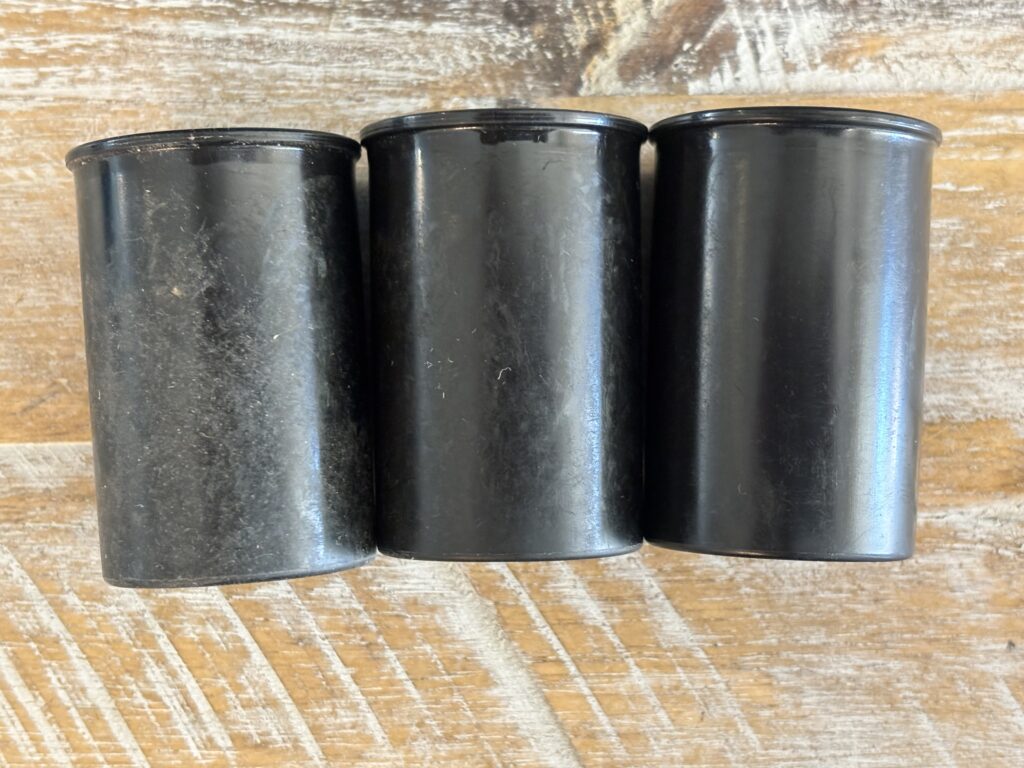
The film cans that I use for my Film Can Dice Force aren’t made anymore. They still make film cans, but the ones currently made don’t work for the gimmick. I have to source mine on the “used film can market”.
The last batch that I got were super beat up and I had to refurbish(?) them. The can on the left is what they look like when I got them:
The middle can is after I gave them a wipe down, and the can on the right is after I buffed them with my Dremel! The amount of labor that goes into making the Film Can Dice Forces is way too much for what I charge for them!
A few days ago was a meeting for the Portland SAM magic club. I remembered it was a meeting day, so I wrote a new script for it, made the cards for a new method and tried doing it as a solo spot instead of as a running gag.
The script had the flow that I wanted, and the spots for the jokes that I wanted were there. The jokes were just meh for the most part, but for me, the important thing was to get it in front of people to see how it felt.
The trick played well, but the ending is going to take time to figure out the best way to reveal the card at the end. I have a lot of options and variables on those options, like is the person from the audience onstage, does the whole thing happen in the crowd, do they hand me the final envelope from the audience, but I open it onstage, etc.
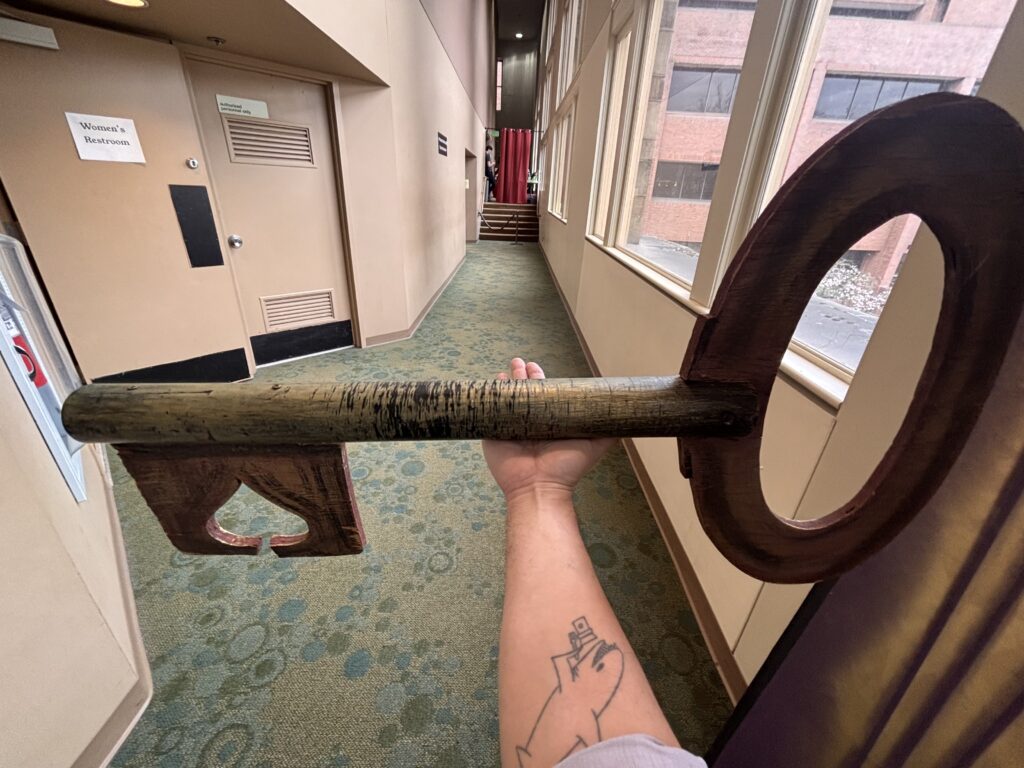
The School Assembly Tour that I did in April had a running gag in it. It was a bit with Jeff McBride’s BEKOS (smiley face version), and you can see me do it in my School Assembly Set. I really liked how it played, and I’m thinking of adding a running gag to my show.
In the past, I’ve done a thing with the Nest of Boxes, I wrote an article about it over a decade ago called Call Back: My Take on the Nest of Boxes. Basically, I was using the nest of boxes as a running gag throughout the show. I really would like to use them again; however, the reality of how my show travels prohibits me from using a traditional nest of boxes.
The Nest of Envelopes!
The idea is a Nest of Envelopes. The idea is that something is inside a nesting set of 4 or 5 envelopes. The thing inside doesn’t have to be an object that has vanished; it could be a prediction or even some sort of punchline. This opens up a lot more possibilities.
The nice thing about envelopes over a set of boxes is that they pack flat and are much lighter! Also, something that, in an emergency, could be sourced in any city with an office supply store.
Personally, I have a love/hate relationship with magic props that use electronics. There’s so much that can go wrong, and when it does, how do you still do the routine? For me, I usually run two different methods at the same time and can switch from the cleaner/easier electronic method to the analog method instantly.
I’ve got a bit in my new show that uses an electronic magic prop, and the easiest solution to it failing is to have a second one running at the same time!
I do have a third backup method that’s analog; however, the more efficient way is two of the electronic gimmicks.
With magic methods moving towards apps, and electronic gimmicks, I think it’s important to look at your show and figure out where the potential failure points are for tech and how you would deal with them when it happens.
Well, tomorrow is the first show of my new school assembly show and the first show day of this month long tour! The show is designed to set up and strike really quickly, in less than 15 minutes. The show will run 40-45 minutes in length and will have to play for 150-500 people per show.
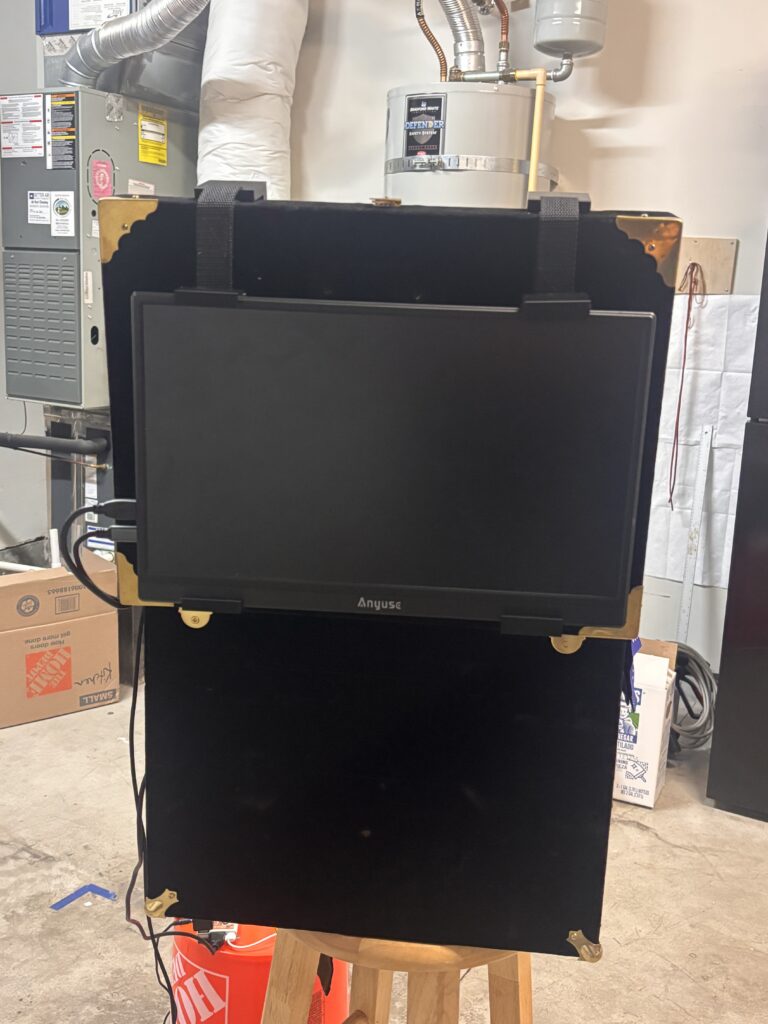
Here’s the front of the case:
I have a screen on the front of the case for visuals if the school doesn’t read my requirements list and doesn’t provide me with a projector or TV. The visuals aren’t necessary, but they help make the show feel bigger.
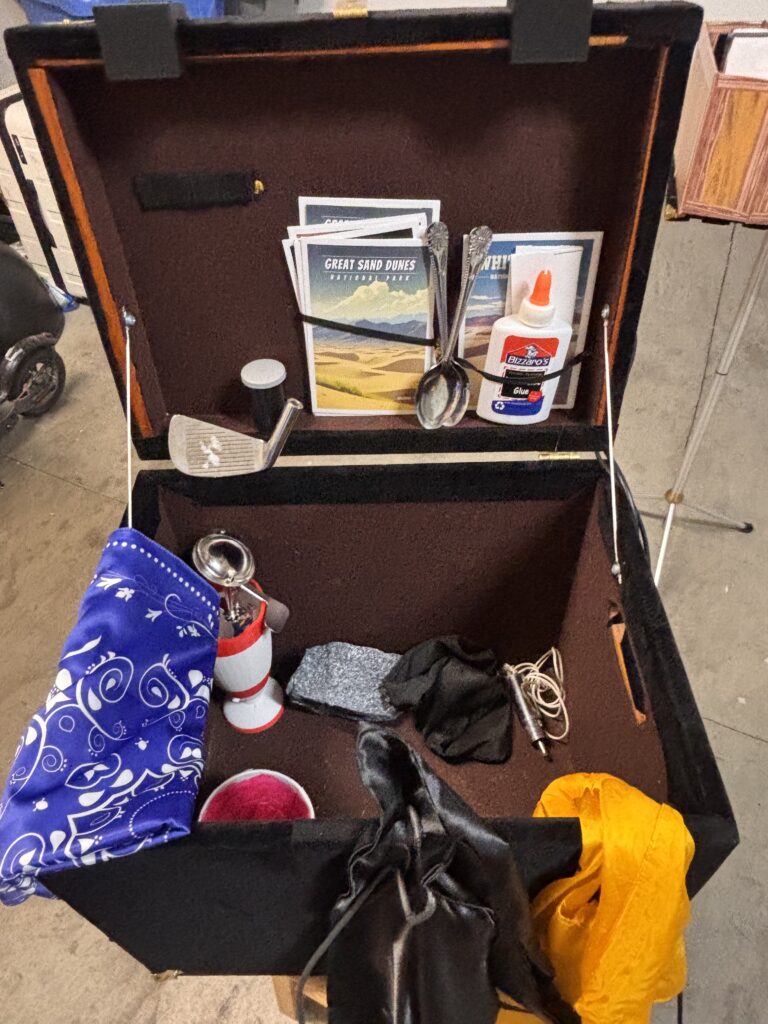
Here’s the view of the back of the case:
The props in the case are laid out for the show. The only thing missing from the picture is my snake box, because it’s not in the case during the show. The snake box sits on a table (provided by the school) during the show.
I’m very excited to see how this plays. This show is 95% new to me. The 5% that’s old are a couple of jokes/gags that I’m recycling. Hopefully, I won’t have to change much. When I was writing the show, I was worried that it wouldn’t be long enough. Now that I’ve been practicing it, I’m worried it will be too long! Having too much material is a way better problem to have than not enough.