Coin Balm by Rocco and Roy Kueppers

Over six years ago, I published a trick called Lip Bomb in this blog and in Vanish Magazine. Here’s what the trick looks like:

Then recently, I saw an ad for a trick that Rocco and Roy Kueppers called Coin Balm. It looks like this was initially released in 2004, here’s what it looks like:

It looks very similar to my trick…doesn’t it?

I do like the lifting of the coin up out of the tube that Rocco does, that makes the trick play bigger than the dumping of the coin downwards that I do in my trick. However I really like the spectator producing the coin from the chapstick tube that I do more than the reveal that Rocco does where he pulls it out himself.

I haven’t bought this product, so I don’t know if my trick is credited in it, or if Michal l P Lair’s Rich Smoke trick is credited.

-Louie

How to Load the Snake Wand Surprise v2

One of the questions I get asked about the Snake Wand Surprise V2 is how long does it take to load it. Here’s me loading it slowly, and talking through the loading process:


That took less than 3 minutes to do slowly and as you can see, it’s not very hard to do. Normally, I do it in about 2 minutes.

-Louie

A Close Up Magic Routine

There’s a new sequence I’m playing with for my stage show. This is close up magic with projection. This whole sequence is done solo, with just me onstage. Here’s what’s going on:

1: Stand Up Chop Cup: This is the chop cup routine from my 2025 PCAM Lecture Notes. This routine doesn’t use a table and is done solo onstage with no projection. It ends with the production of a tennis ball.

2: Shuffle Routine: I move to the table, with the close up camera on it. A deck of cards is introduced and shown in new deck order. It’s shuffled a few times and is spread out to show it’s back in new deck order. This is repeated a second time.

3: That Way More: This is a modified version of my horizontal Ambitious Card routine. I’ve published parts of this routine in Vanish Magazine.

4: Card in Tennis Ball: The ending of the sequence is the selected and marked card comes out of the tennis ball that as produced at the beginning of the sequence!

What I like about the sequence is that it ends with a callback to the tennis ball that was produced at the beginning of the sequence.

-Louie

Demo of An Easy Elmsley Count Trick

Yesterday I posted an simple color changing back routine that is Elmsley Count based. You can learn the sequence here. While I waiting in my car for an appointment, I grabbed some cards and made a quick trick using that sequence:

I think more people should use the Elmsley Count with the cards held vertically. You have to shift your thinking a bit, as it’s backward. Your finger will do the thumb’s action, and your thumb will do your finger’s action.

Doing the Elmsley Count vertically puts your face into the frame, which in theory is good.

-Louie

An Easy Trick with an Elmsley Count

Here’s an easy color changing backs sequence with an Elmsley Count. I came up with this the other night, but it feels like I’ve either come up with this same sequence before or read it somewhere.

You need three red backed cards and three blue backed cards. The set up from the top down is: red-red- blue-blue-blue-red

1: Do an Elmsley Count to show four red backs
2: Do an Elmsley Count to show three red and one blue. The final card of the Elmsley Count goes to the bottom of the packet.
3: Do an Elmsley Count to show two red and two blue.
4: Do an Elmsley Count to show one red and three blue.
5: Do a final Elmsley Count to show four blue cards.

There you go, not much to it. Pick up some cards and try it for fun!

-Louie

Magic Shop in Portland, OR

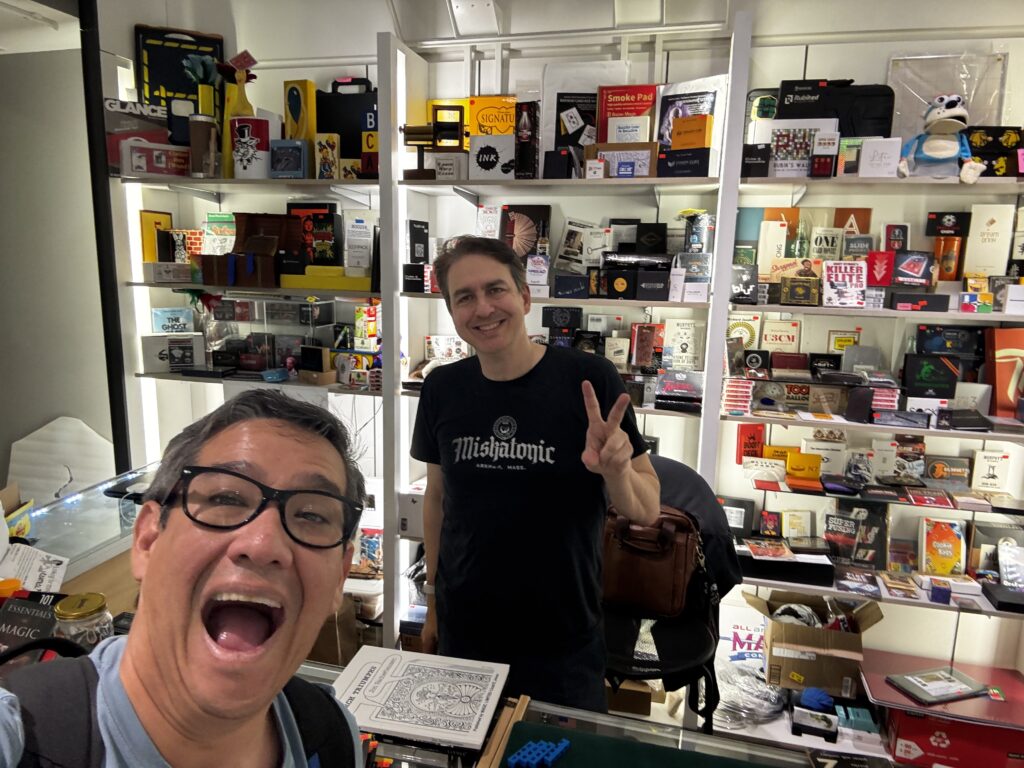
On the way to a gig the other day, I stopped at the new location for the All American Magic Theater in the Pioneer Place Mall. Gaddy is working behind the counter, and he does a great job demoing and is very knowledgeable.

The magic shop has a big variety of magic tricks, from the latest releases, to vintage magic. Portland it lucky to have a well stocked magic shop!

-Louie

How Unique is it Really?

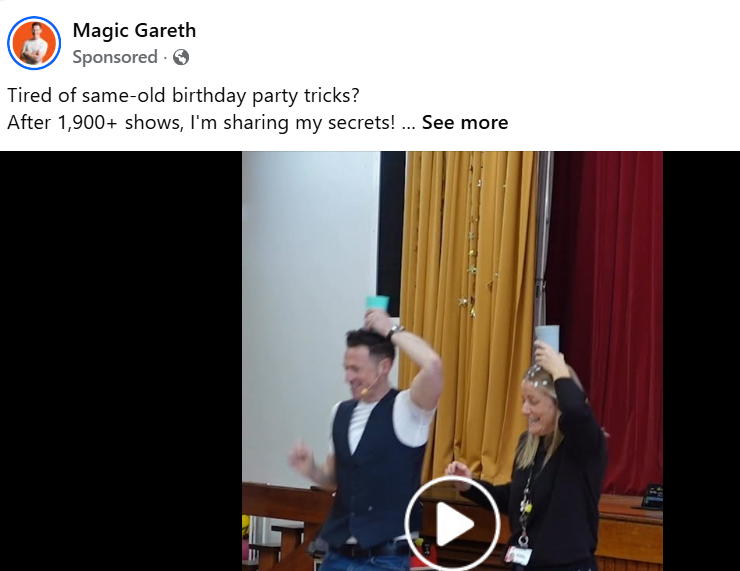
Recently this ad came across my social media:

magician advertisment

The headline with the picture made me laugh. He’s telling you about using or creating NEW magic routines; however, the video’s cover shows him doing a very common trick!

I don’t know what product he’s selling; I didn’t click the link. I just thought the headline of not using common tricks really contradicted the image of him using a very common routine.

-Louie
PS: You can learn about my process for creating unique magic here!

The Prayer Vase Magic Trick!

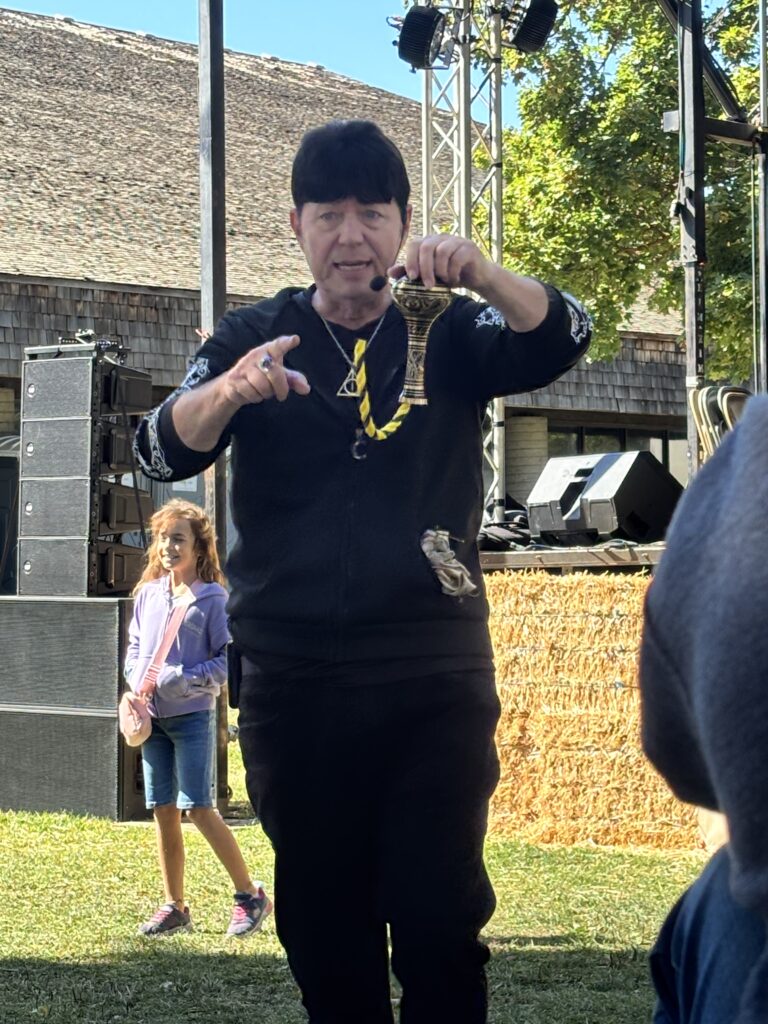
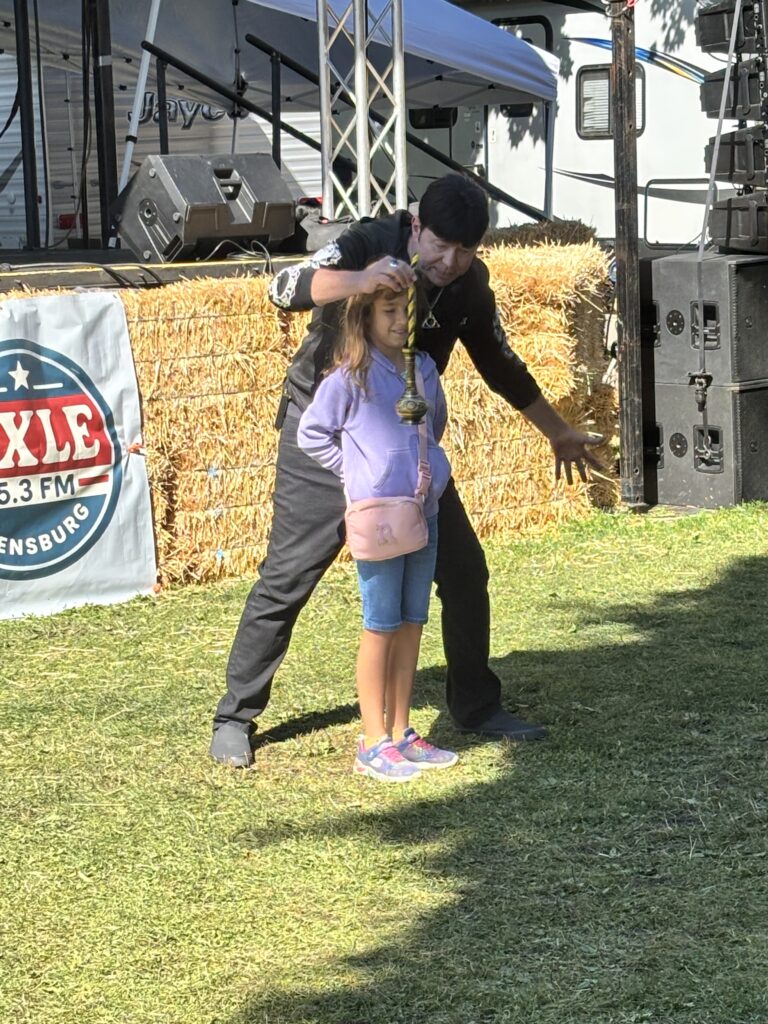
When I see a magician perform an old trick and really wow an audience, it really makes me happy. By old trick, I don’t mean an overdone trick, but a trick everyone has had, but no one actually does. Recently, I worked with Michael Mesmer and in his early show he does the Prayer Vase magic trick.

This is a trick most magicians had when they were kids and haven’t thought about since. Michael has a great routine with it, and it really connects with an audience!

Sometimes the easiest way to create something that feels new is to look to the past!

-Louie

A Hard Hitting Card Trick Sequence

I think magicians try to overcomplicate things with the card magic they do. You can get amazing reactions with a couple of very simple things. Here’s a quick three beat trick that gets great reactions:

There’s not much to it: two forces, a top change, and then a double lift. I don’t do a double turnover. The reason for that is that most people who have had a passing interest in magic tricks learn a double turnover in the context of either an ambitious card or simply changing the card. When I do this sequence, it looks nothing like what they’d learned in a YouTube tutorial. While I’m using techniques that they may know, they don’t look like what they’d learned.

This is a good lesson: if you keep getting busted doing something like a double turnover, either find a way to eliminate it or make it look different.

-Louie
PS: If you want to learn about my thoughts on the classic force, it’s in my 2025 PCAM lecture notes.

Repairing a Remote Control Card Fountain

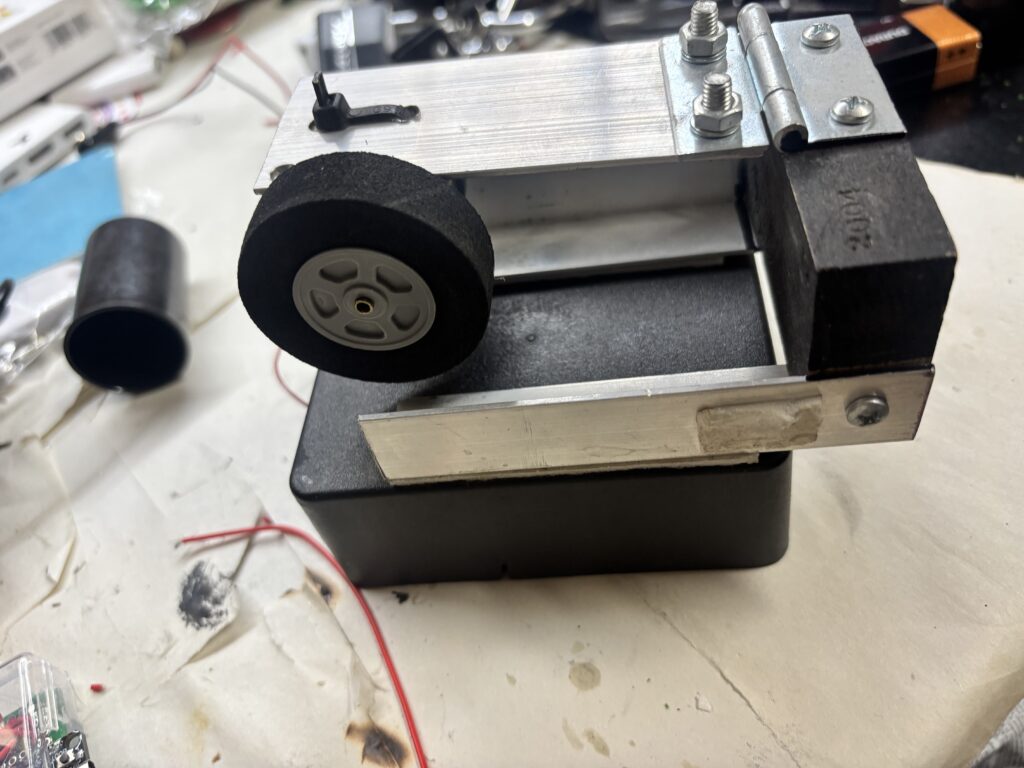
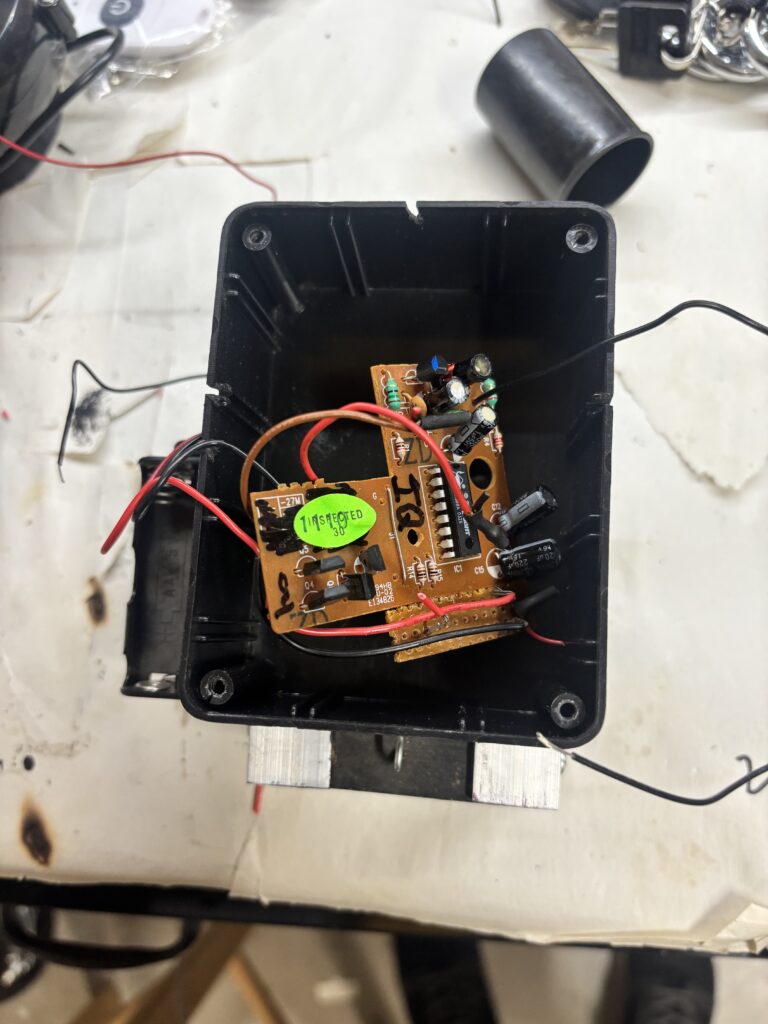
A couple of weeks ago, I picked up an old card fountain. This one was non-working without the remote control.

remote control card fountain

I opened it up and it had some older guts, I’m guessing from the stamp on the base of it, it’s from 2004.

My original plan was to just replace the electronics with a more modern remote control unit. Once I got it apart, I started thinking that maybe I should build it into a more complex unit, like integrating it into a snake basket or something like that.

-Louie