Large Scale Projection…

In Seattle we recently got our first NHL team, which is exciting. I finally made it out to a hockey game at our team’s first season. At the game for the preshow and the filler during the intermissions, they used the ice as a projector screen
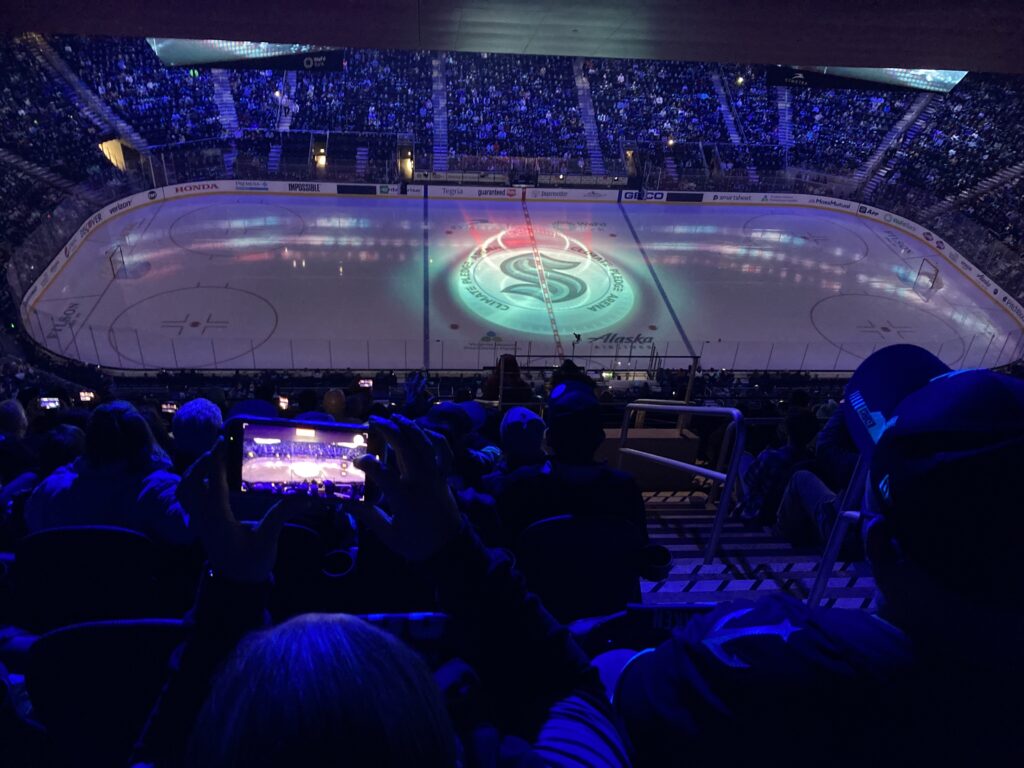
This got me thinking about how to use space like that in a magic show. The rough thing is that in most venues that I would perform in the entire audience wouldn’t be able to see the floor.

They did a bit where they played bingo with specific sections, it was produced well, they lit the four sections that were playing and the bingo cards were projected on the floor.
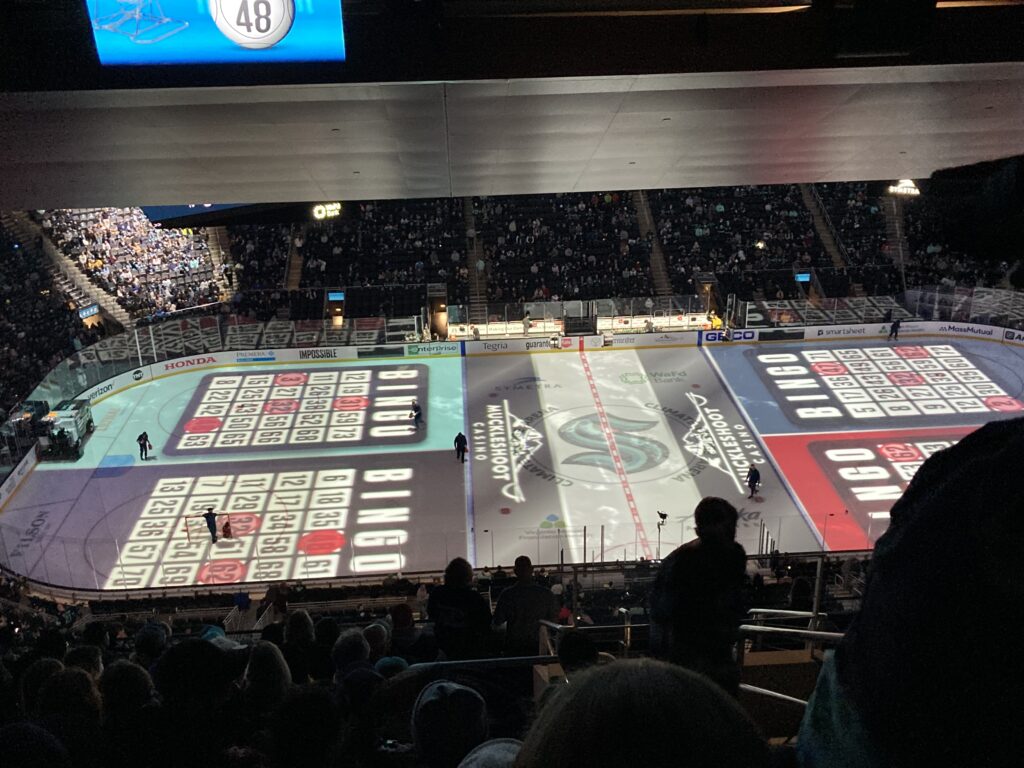
It was a great use of the ice as a screen and the way they lit the audience made it play well.

I wonder if for a magic trick you could have essentially a bingo card that was projected onto the stage and people stand on numbers. You then have some process to eliminate people and end up predicting the final person standing.
-Louie

Hitting the Road from the Past…

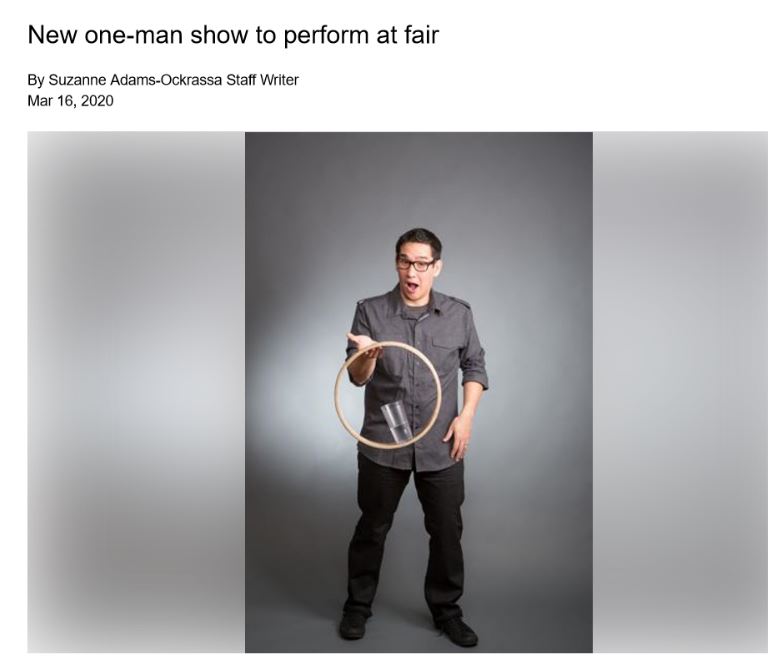
I’m getting ready to head out for the beginning of my “Fair” season of 2022. My first one for this year is also the first one that I had cancel on me in 2020 and it also ended up cancelling in 2021. I recently did an interview with a reporter and did a quick search for the article. It doesn’t look like it’s been published yet, however I did find this one from right before the 2020 fair:

magic show
magic show

I like how the article does get a little bit of my “flavor” in there about going to ghost towns. It really doesn’t do a lot to put butts in seats, the show description lacks a lot of sizzle. I think it may not have been the writers fault, I may have not told them about the show in a super exciting way.

Reading this makes me remember how important it is for me to convey specific things and emotions from the show. Also, the line about me debuting a trick, I need to sell that a lot more. It’s lacking a ton of sizzle.

The season is just getting started, and I’ll have more chances to work on it!
-Louie

FISM Membership…

FISM membership

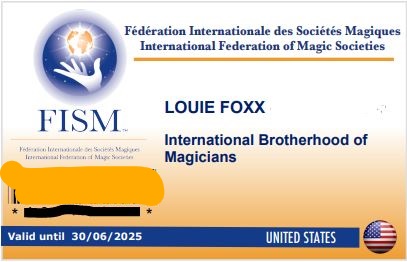
This summer I’m planning on attending FISM. I bought my ticket in 2018, so been waiting four years for this to happen. I realized my FISM card had expired, so I renewed it.

The card is less than $15 if you belong to another magic organization like the International Brotherhood of Magicians…and it’s even cheaper if you just want a digital card. It’s an easy way to support a magic organization, and it’s a fun, unusual thing to keep in way wallet.

If you got a FISM card when they started selling registrations for FISM to get the cheaper rate, you should check your expiration date, it’s probably expired.


-Louie

Vintage Magic…

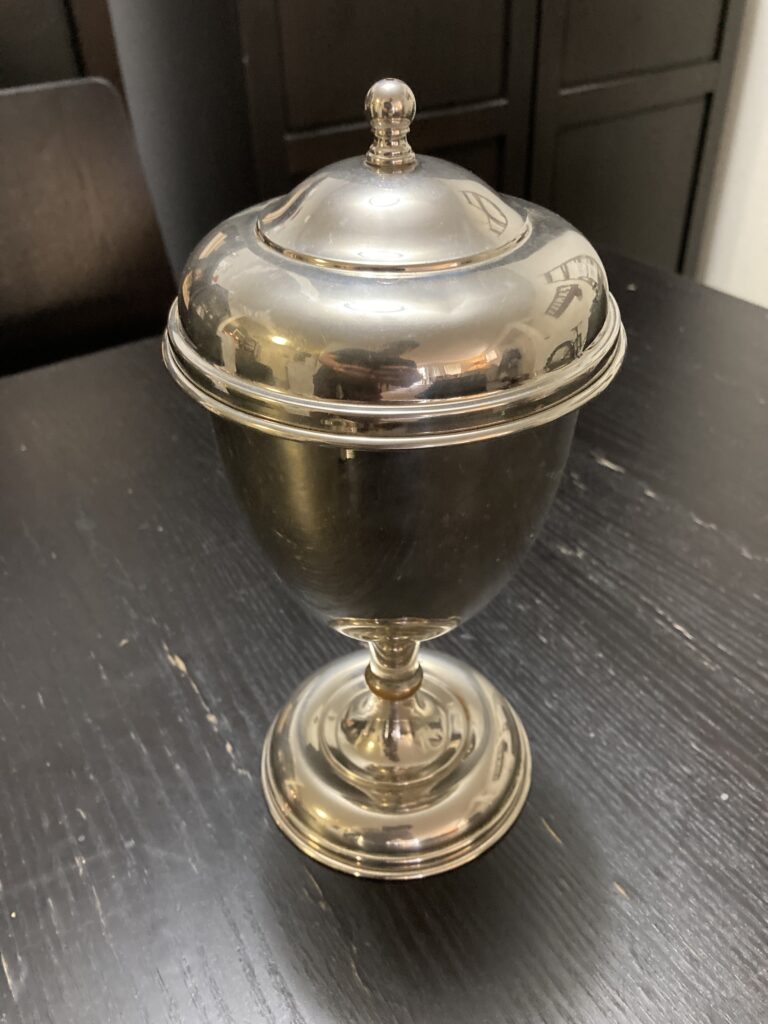
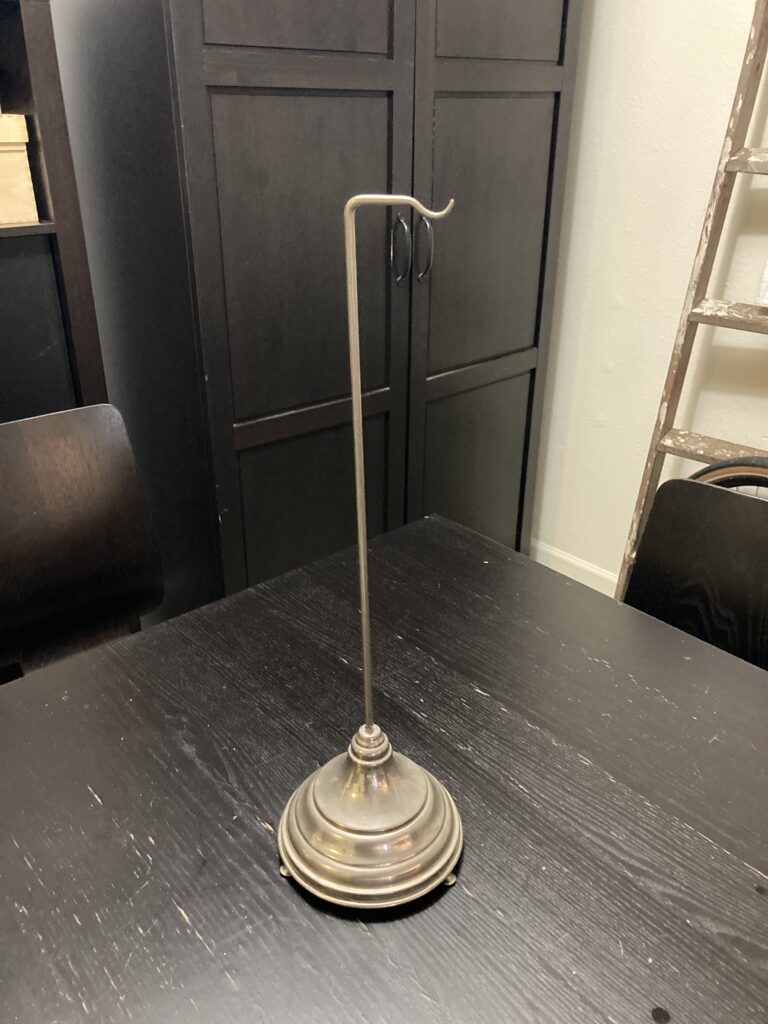
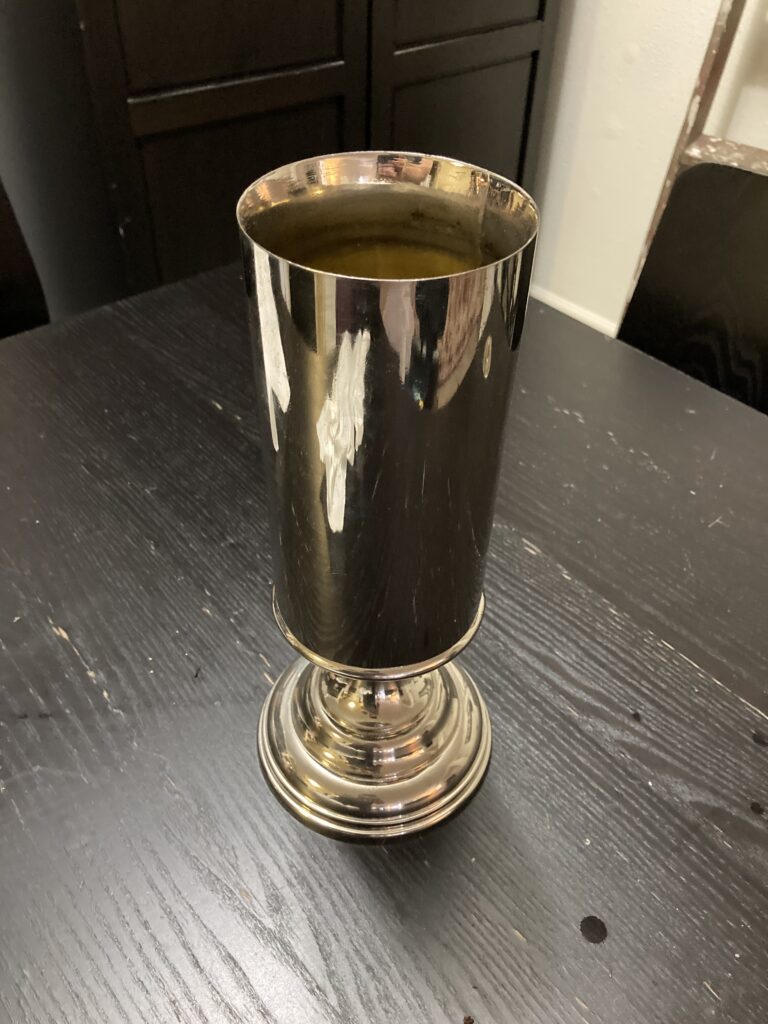
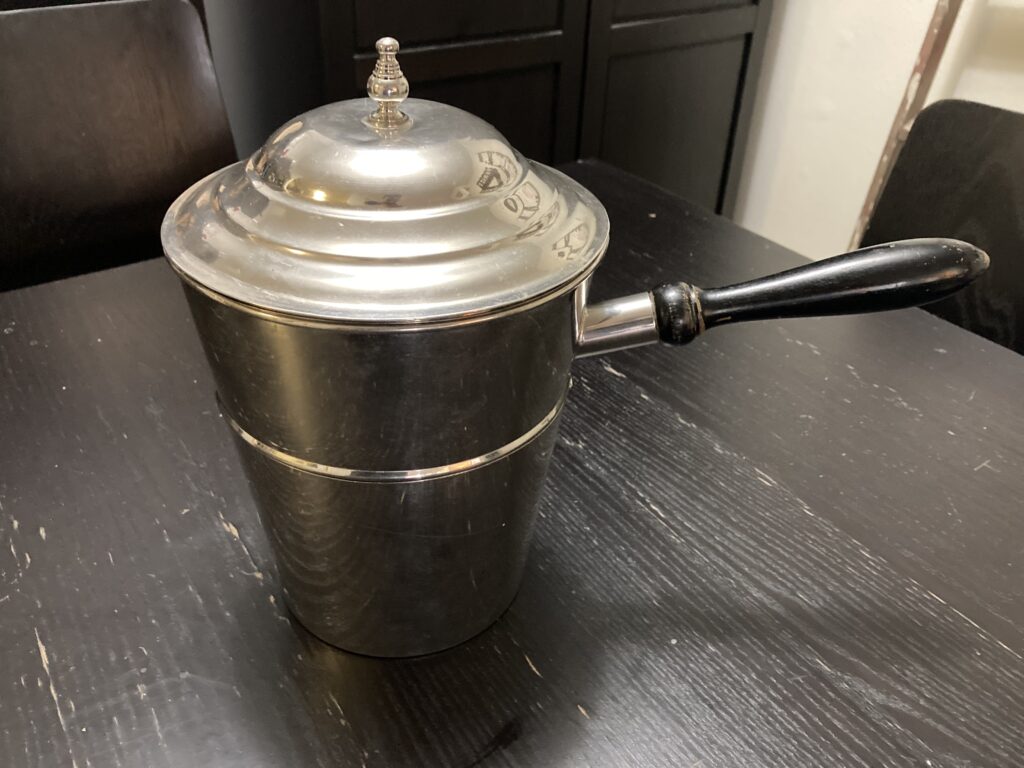
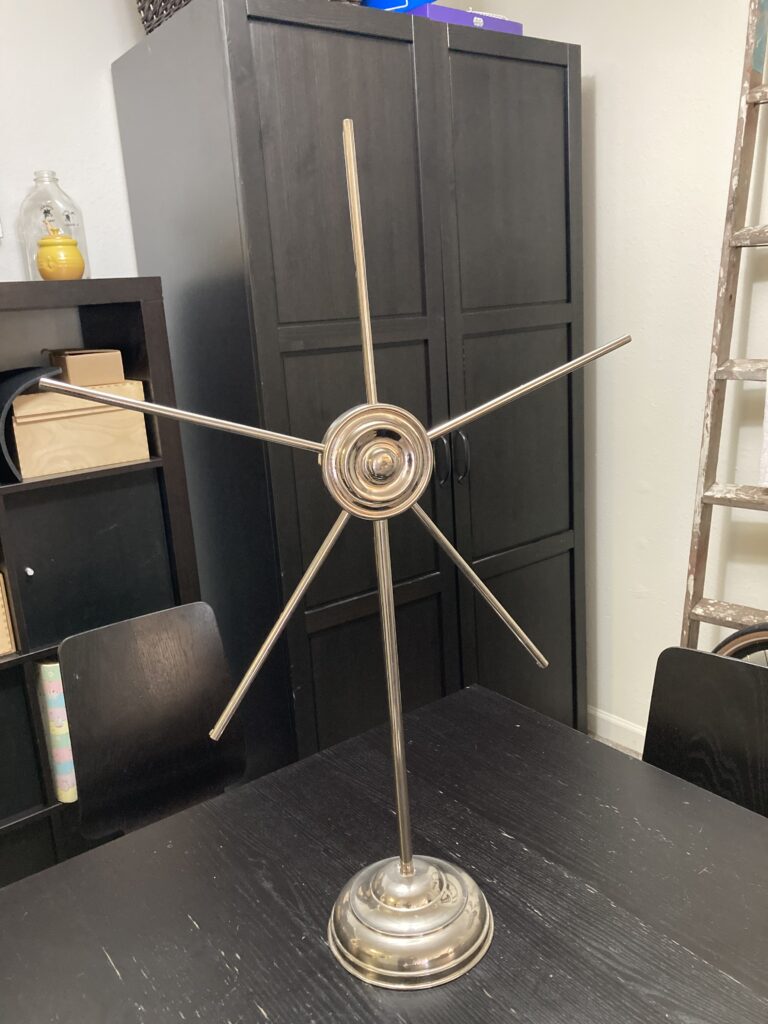
The estate sale that I picked up magic from last week had a lot of magic from the 1930’s. It’s really interesting how magic changes over time and the trends seem to stick for a long time. The 1930’s was the era of everything being nickel / chrome plated!

Not too long after this era, we entered the brightly colored boxes with Asian characters on them. Currently we’re in the time of “everyday props” or props that pretend to be everyday items. However there is some movement to using props that don’t resemble everyday items as a “special” moment in the show.

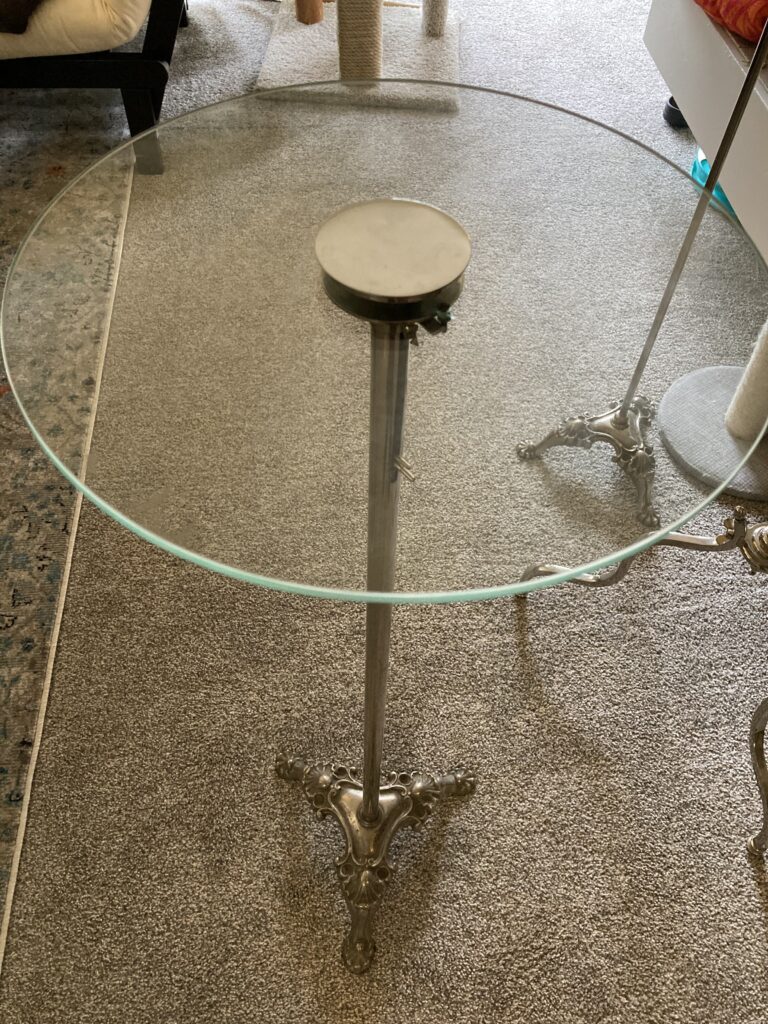
There are soo many crazy methods to these tricks and soo many of them are over engineered by today’s standards on how to accomplish things. For example this table was used to make glass disappear!

The crazy thing is that the glass isn’t that big, it’s maybe 8-10 ounces! There are better ways to do it…but they’re a little bit harder and not as fun to play with!
-Louie

My Life in Magic – Howard Thurston…

Sometimes the universe hands you a project you never knew you’d be working on. Last week I got a tip about an estate sale that had some magic stuff in it. The magician was named Carroll Wood, and was active in the first half of the 1930’s and was a founding member of IBM ring 59 (Seattle Magic Club). I’ll write another post about Carroll in the future.

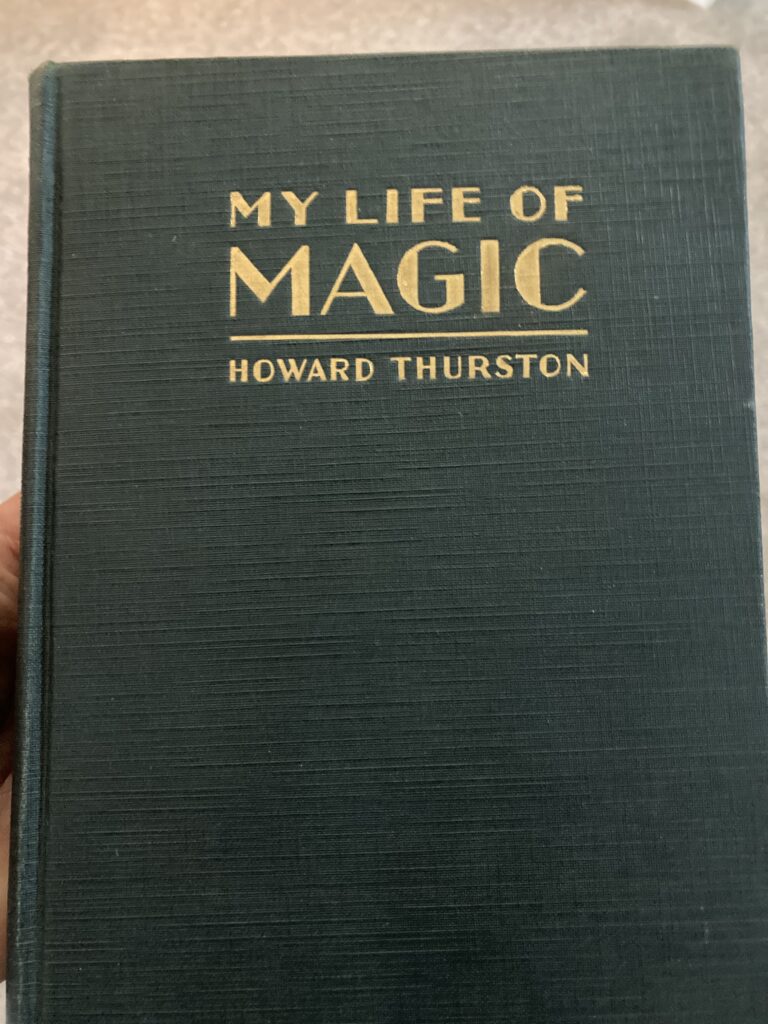
One of the things I found for sale was the book My Life of Magic by Howard Thurston. I’ve never read this book so I picked it up.

my life in magic by howard thurston

I just picked up the book to read and noticed something inside the book:

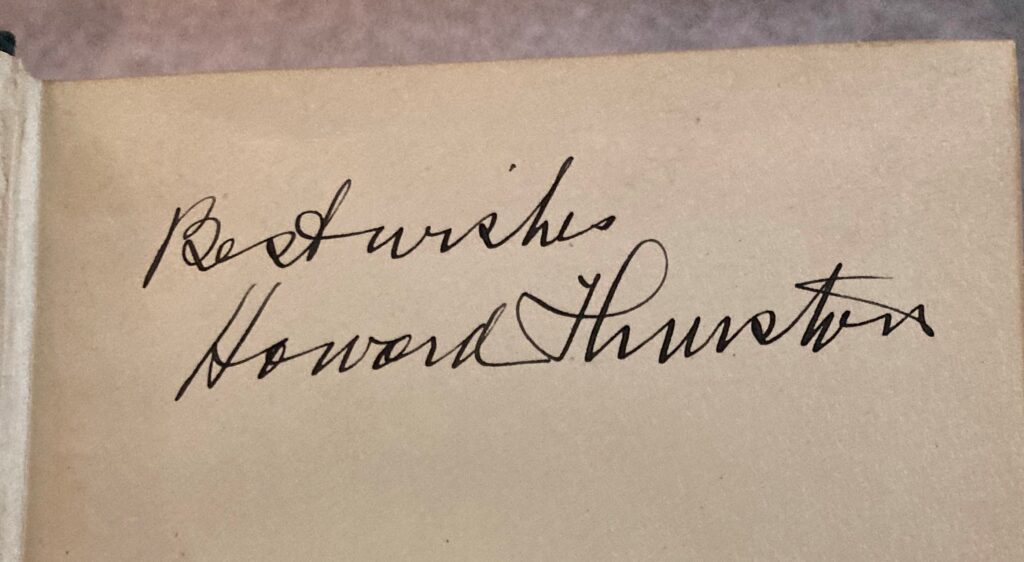
Howard thurston autograph

It was signed by Howard Thurston!

This is really cool to me, when I was a kid starting in magic in the 1990’s learning from old library books, there was soo much written about him. The Rising Cards, the Five Card Vanish, the Floating Ball…soo much stuff that really got my imagination going. This was long before YouTube and all I had was pics in books and my imagination.

In the research I did about Carroll Wood and I found out exactly when this book was signed by Thurston, and it’s an interesting story that I’ll write about in the future!

-Louie

Working on Comedy Magic…

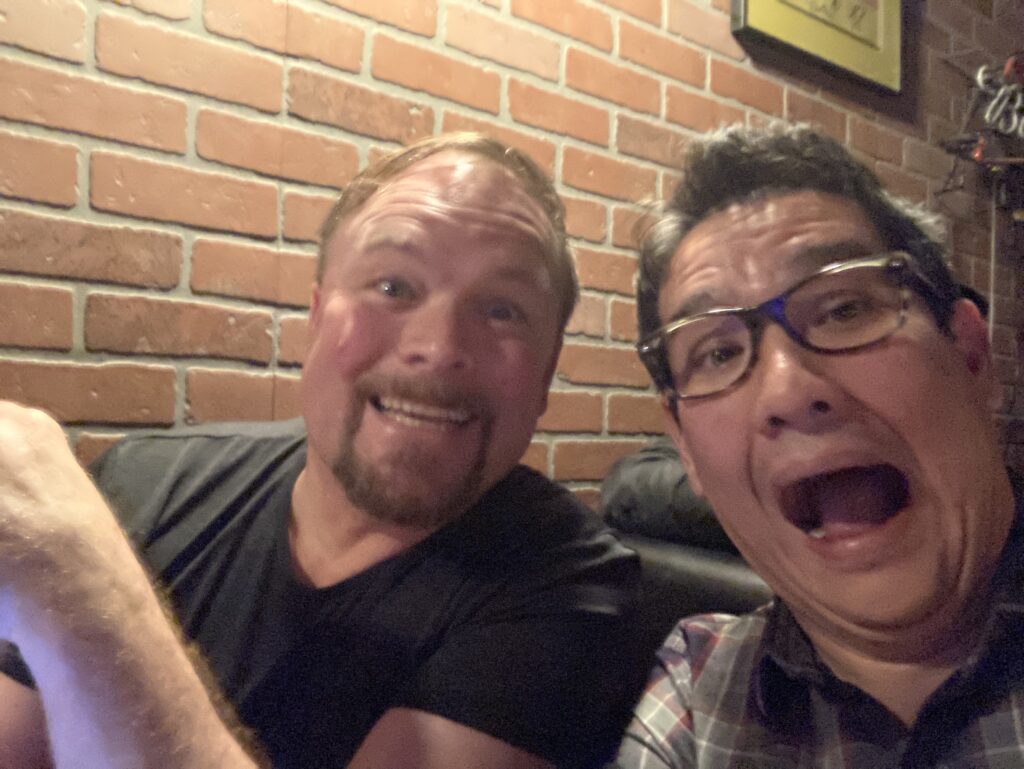
A while ago my friend Monty Reed mentioned he was working on some comedy magic, and I suggested we go to an open Mic. Our schedules finally worked out and we went to one last night:

Monty reed and Louie Foxx

This was Monty’s first comedy open mic, and there are some “rules” that people need to know. It’s always easier to go with someone who has done them before, they can kinda show you the ropes.

There’s nothing crazy you need to learn, however if the concept of “The Light” is new to you, it’s important to know. The light is usually a literal light of some sort, so a flashlight, or phone, but can be something as simple as a someone waving to you or sitting in a chair. It’s a signal that you’re running out of your allotted time onstage. Usually they “light” you when you have one minute left. When you’re new or working on new material, it’s hard to tell how much time you have done and the light is really helpful…if you know what it means!

-Louie

Adding a Measure

A while ago I bought Measure for Measure by Iain Bailey which is a prediction using a tape measure. You pull out the tape and someone says stop and you’ve predicted where they say stop. Here’s the promo video for it:

I think it’s a great trick, but the method didn’t really work for me. There’s a move that needs to happen, and it’s not hard to do, but the move just didn’t work for me. I’m not saying it’s bad, because it’s not, it’s a great trick. The method didn’t work for me.

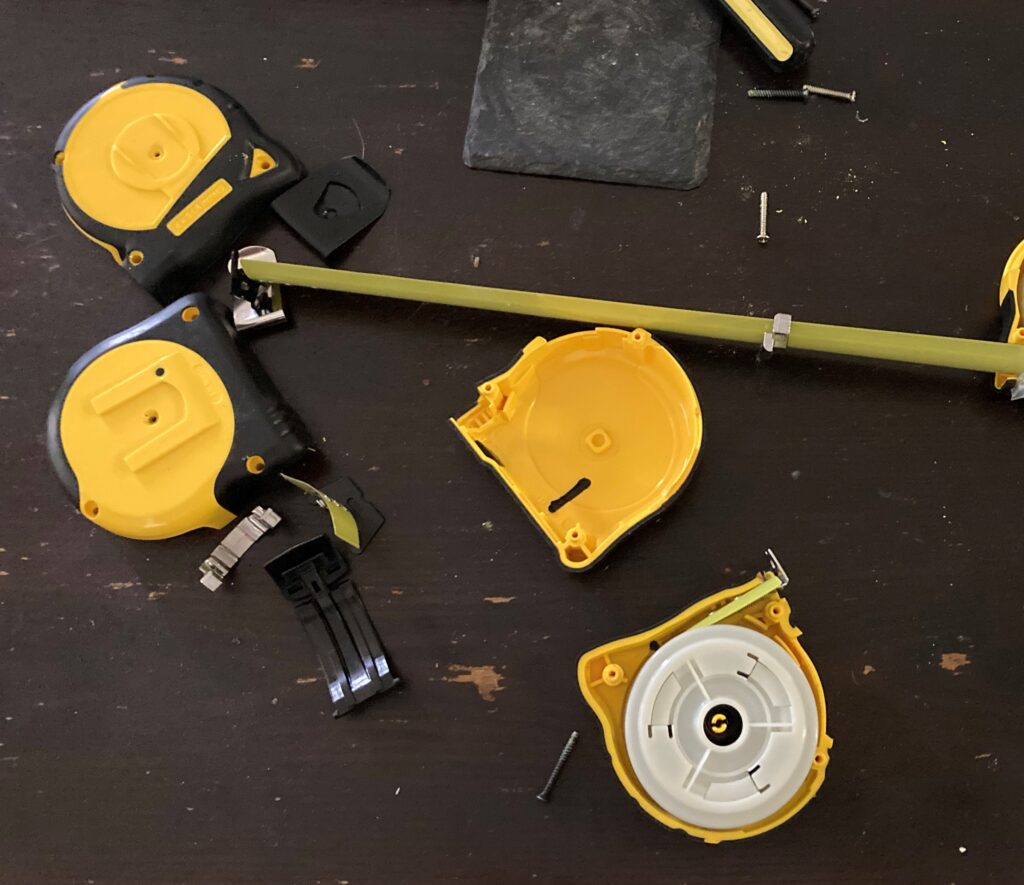
I ordered a few tape measures and got to playing around with altering Iain’s gimmick.

tape measure prediction

What I ended up with is a tape measure that starts legitimately closed, ends legitimately closed and is 100% self working, there’s no move. I also upped the width of the tape to the Stanley Fat Max tape measure, so it’ll play a little bit bigger. As a bonus, you can see the prediction retract with the tape as you close it.

Here’s a quick demo of what my solution looks like:

I want to be clear that I’m not knocking Iain’s release, it’s a great trick and I think it would work for most people out of the box. Also, the hard part of creating magic is the first 90%, from the initial idea to a finished product for how the creator wants it to work. The final 10% is easy, and my “improvement” was the easy part, since the idea and gimmick already existed.

Also when it comes to marketing magic, there are a lot of choices that have to be made. Sometimes a method won’t be the best, but more accessible to the majority of magicians, or something that may seem like a small, insignificant tweak will triple the cost per unit.

I’m heading out on the road in about a week, I’m excited to give my version of Measure for Measure a try in front of real audiences!
-Louie

Always One More Step…

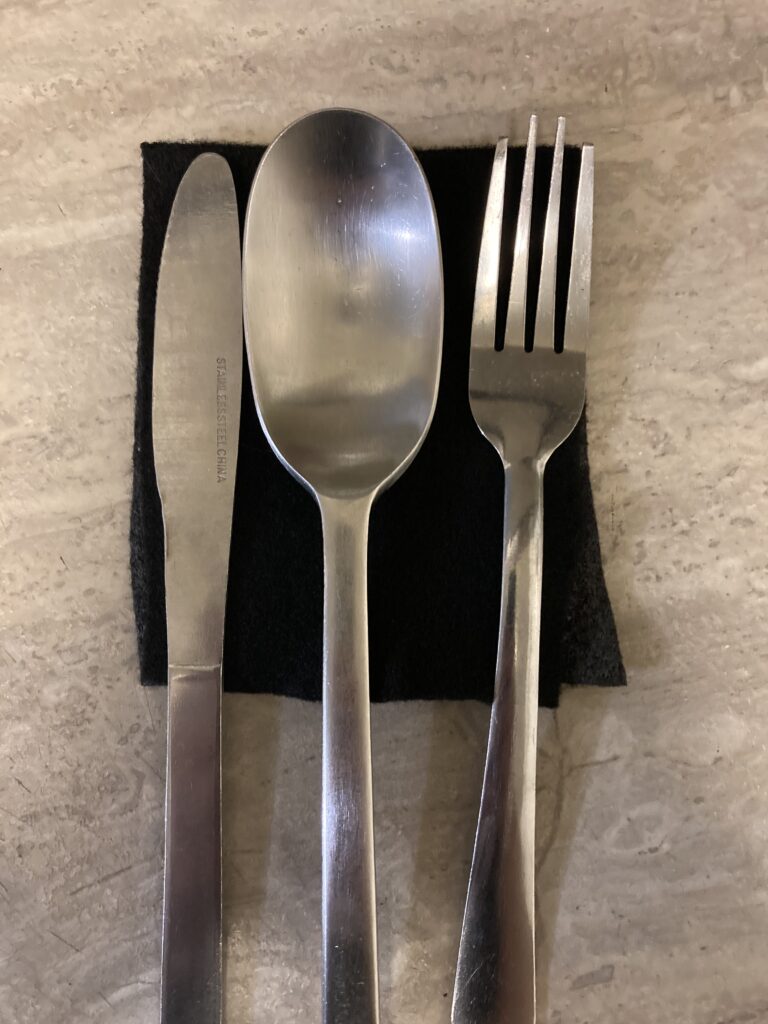
spoon and fork magic trick

One of the things I’ve always said about creating magic is that it’s about problem solving. One trick where this is especially true is the spoon and fork transposition that I do. This particular trick has been an engineer nightmare the whole time I’ve really been working on it. It’s a series of challenges to get me to the next step.

One of the recent challenges I’ve had with this trick is that at the end there’s a good chance the spoon and fork will clink in my pocket. While it’s not loud and it only happens once during the routine, I want to eliminate it.

The first attempt was putting a felt covered magnet on my pocket and all that did was change the “clink” to a “clunk”. That took me to the next and final solution, I simply put a piece of felt in my pocket to act as a divider. That solved the problem and it was an easy simply solution! Also if I try to avoid having magnets on my body, as it’s amazing how often you’ll get stuck to things. I’m not against using magnets, I just try to not have them attached to me.

Theseus – review

theseus by nathan colwell

Over the summer I drove through Chicago and stopped at Magic Inc and picked up Theseus by Nathan Colwell. The book is on a single trick, but has multiple methods and a bit about the journey that Nathan took to get to the different solutions to figure out the different methods.

The effect is a card is signed and torn into four pieces. Each piece is replaced by a turn corner from four different cards. When the four replaced pieces of card are turned over, they are the original signed card.

I really like the premise of the trick. It’s based on the Ship of Theseus thought problem. Essentially it’s if you took all of the parts of a ship and replaced them, is it the same ship? It’s a hell of a premise for a card transposition and great presentational connection that Nathan made!

The methods are good, and there are many of them. Just a heads up, this isn’t an self working trick to do, you will need to do some sleight of hand. That said the methods aren’t that hard if you’re not afraid to put in a little bit of work. Honestly it’s not that hard to palm a quarter of a card.

My big complaint with the book is that Nathan uses a lot of non standard techniques and unless you already know them or own the original source material, you’d have to spend and additional couple of hundred dollars on books/videos to correctly learn each method correctly. An example of this is you end up in “master palm” position. If you don’t know the palm, you don’t know if you’re doing it correctly. Nathan does give a credits and where to find the info, however a quick description of the master palm position would be helpful.

With the lack of complete descriptions considered, I still think the premise of the trick is great and if it appeals to you, get the book. There’s enough info in the book to kinda figure out the moves you don’t know, or at least get from point a to point b. That’ll give you a feel for that particular method and you can decide to invest in the source material for the moves you don’t know.

-Louie

Choices….

Sometimes you find things you weren’t expecting when you are searching for other things on the internet. I ended up finding a video clip of me performing an early version of the final version of my “invisible deck routine“, which I call Choices

Here it is:

It’s not really an invisible deck, but that’s how I describe the routine to other magicians as that gives them an easy idea of what the effect is. Before I go further, yes I understand the trick would be stronger if I said, “Name a card” then it was reversed. HOWEVER, that’s not what I’m going for. First of all, I’m trying to get a little bit more time out of the routine.

The video above starts about 45 seconds into the routine, so that gives me a routine that’s about 4 minutes. It also allows me to involve more than a couple people from the audience. The trick also reveals some personal information about me (that’s at the beginning of the routine that’s not in the video). The routine is a lot more personal than, “I had a dream someone picked a card and when I work up I flipped it over“.

I’m happy with how this routine has progressed since that was recorded in October.
-Louie