Best Spoons and Forks for Metal Bending!

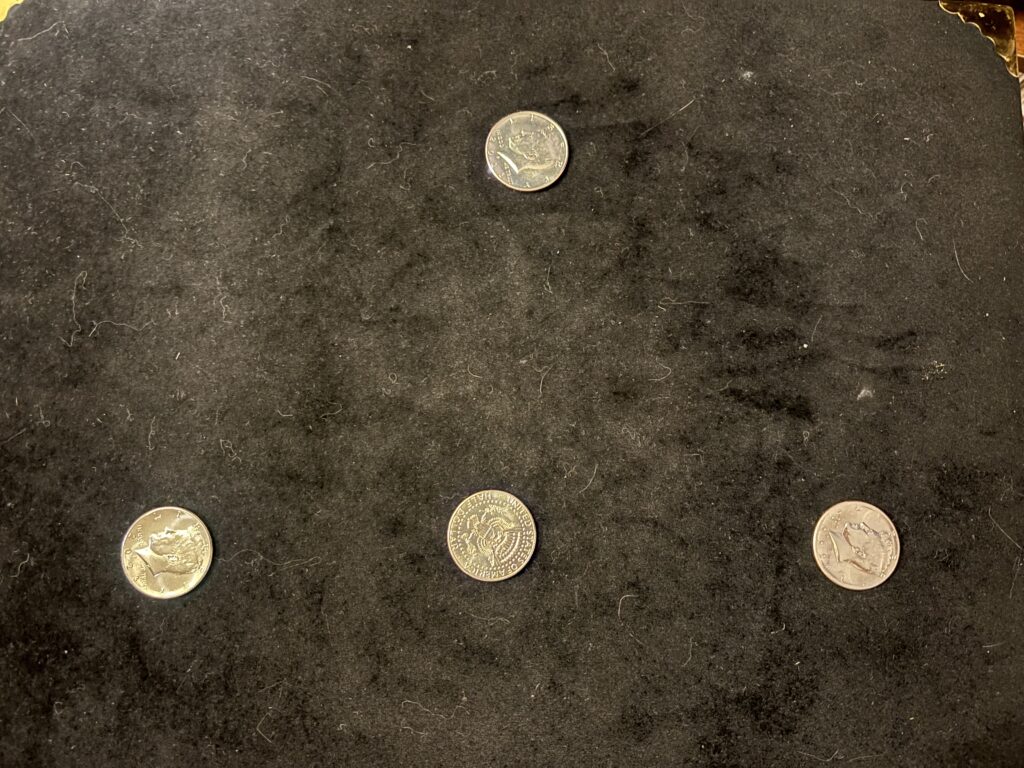
Frequently, I see people ask in social media groups “what are the best spoons/forks for metal bending?” The answers are all over the place, from ones specifically being sold at magic shops to Walmart. For me, you can’t the the Costco spoons and forks!

The cheap ones less than 31 cents per fork and less than 27 cents per spoon. They’re soft and ready to go out of the package. The normal Costco doesn’t normally stock these but the Business Costco does! A normal Costco membership will get you into the business Costco and walking around you might find other things you need for your show that the normal Costco doesn’t have.

I don’t know if Costco sells them online, but you should be able to search based on the info in the pictures above.

Happy spoon/fork bending!

-Louie

Challenging Stage

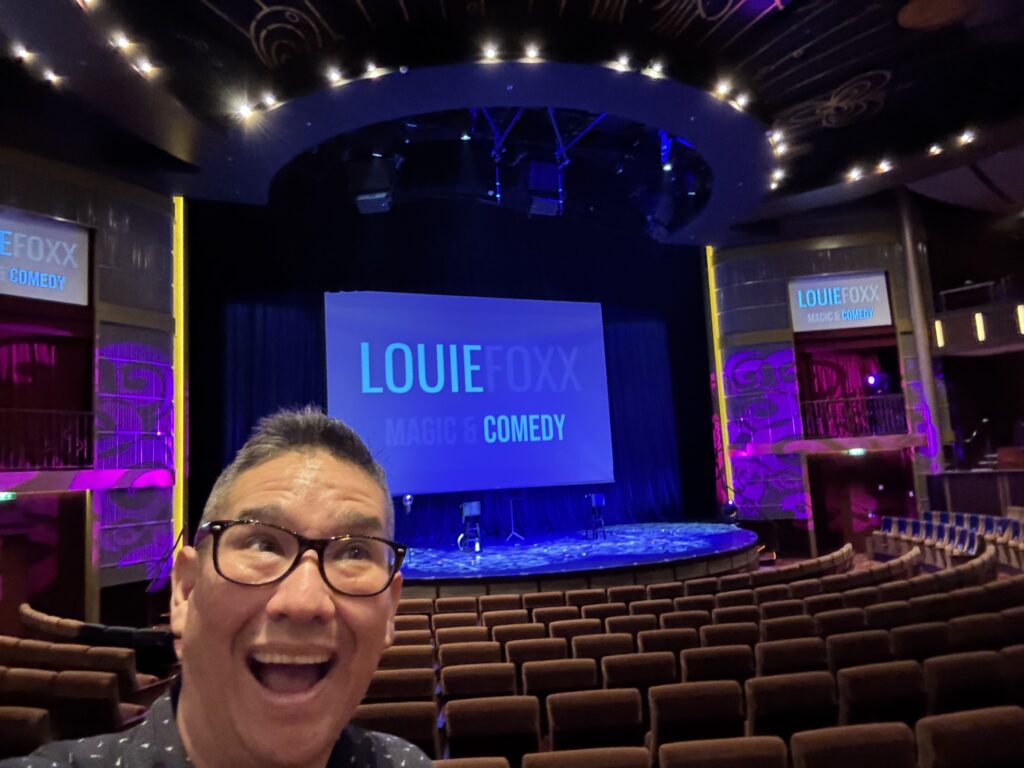
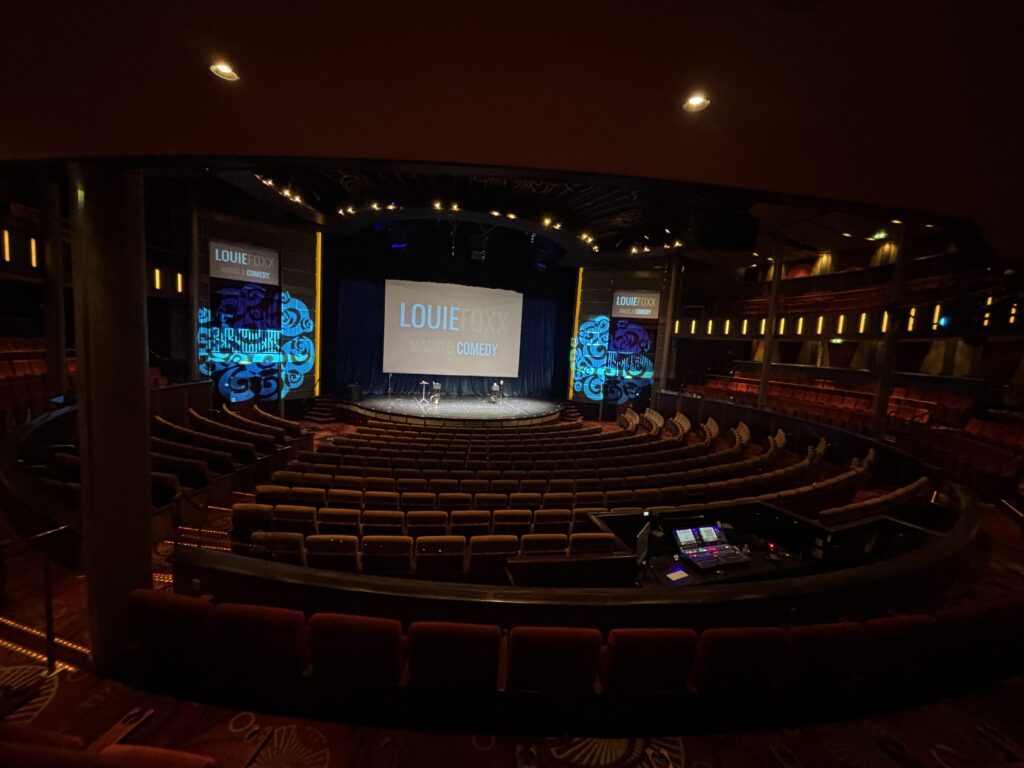
This is a cool looking stage, but a hard one to work on. In the picture you can’t see the depth of the stage behind the proscenium arch. It’s about 8 feet deep to the video wall with name on it, then the stage sticks out about 20 feet or so in front of the proscenium arch.

Magic show stage

The challenge is sight lines for the audience, no matter where you stand, there are people that can’t see your face. The drawing below might help visualize what’s happening:

stage plot

No matter where you are, either the side of the arch is blocking or people are behind you. That’s just the seats on the floor, there’s spots above that are almost on the same wall as the arch!

This makes showing things really difficult and time consuming as you have to show everything to the extreme right and left sides.

Challenges aside, this is a really fun room to work! I’m glad I got to do seven shows there, and was able to dial in the show to just work worked in the room. It would have been a shame if I only did one show there and that was it. This is also a good reason to travel with back up material, two of the routines that I planned to do in the room weren’t ideal for this space.

-Louie

Mentalism for Kids…

Years ago, when I was a teenager I saw Lee Earle lecture. He did his gumball prediction and then warned that it’s not a kid show trick and that mentalism doesn’t work for kids. Lee said something like, “before you can read someone’s mind, they must first have a mind”. That’s a great quote, but it’s wrong.

You absolutely can do mentalism for kids, but ultimately it comes down to how you frame it. In my library / summer camp show for this year I do three mentalism tricks.

They aren’t framed as “mind reading” and that’s what makes them work, but they are still 100% mentalism. All three are essentially predictions.

One of them I used a Cootie Catcher / Fortune Teller to determine what I’m going to have for lunch or dinner that day.

cootie catcher magic trick

Another is a card prediction followed by a series of coincidence effects. The third is a strange happening, which is really a multiple revelation of predictions. All three of them are highlights of the show and frequently mentioned when I ask kids in the autograph line what their favorite tricks were.

Don’t be afraid of mentalism for kids, you just need to make it fun and relatable to them.

-Louie

Night and Day with Library Venues

The differences in venues for library shows can be enormous! In two days I did a library show that had about 75 people in a packed meeting room.

library magic show

Then the next day I had a library show for over 300 people in an old auditorium!

library magic show

The skills needed to work in both venues are very different. When you’re standing on the floor a few feet from the audience is easier to control that in a giant theater that’s super echoy and everything in it makes noise from the floorboards to the chairs.

I heard that a previous performer in the auditorium struggled with the echos and crowd control. Being armed with knowledge of this, I really had to keep on top of crowd management and my expectations of the audience. In a giant room with a lot of echo, it’s really easy to lose control and hard to get it back!

-Louie

Fireworks and Street Performing

My town had their Fourth of July festival last night. The event started at 6pm and ended with fireworks that started at 10pm. People set up their chairs at 6pm to get their space to watch the fireworks four hours later.

The fireworks ran about 28 minutes. The fireworks kinda went in four-ish minute cycles. At the end of each cycle was an finale for that cycle and they were all fairly repetitive. The only real variation was the grand finale, but all the previous cycles felt like watching the same thing on a loop.

OK, so what I noticed is once the second cycle happened people started packing up and leaving. These are people who had brought their own chairs and waited four hours to make sure they had a good viewing spot. My guess is that people felt like they had seen something and were ready to leave. This is similar to street performing. Once the audience feels like they’ve seen something, people will leave. In street performing one technique to keep a crowd is having unfinished business. Like a dollar is borrowed early on and that dollar trick isn’t finished till the end of the show. Less people will walk at the end of tricks during the show because the dollar trick hasn’t been finished.

Personally when I’m doing street (found space) shows, I take it personally when people walk. However watching people walk away a few minutes into a $60,000+ firework show that they waited all day to see gives me some perspective on why people walk during my show.

-Louie

Magician’s Tie Bar

Somehow I got into collecting dead magician’s tie bars! Recently I was visiting with Alan Sands and he gave me one of George Sands tie bars!

If you’re not familiar with George Sands, he created the Sandsational Rope Routine. Most modern cut and restored rope routines are built off of his routine.

sandsational rope routine

Thanks Alan, this will go into my collection!

-Louie

Adding Tech to Library Shows

For my library and summer camp shows this year, I added a screen to my table.

There’s not much to it. It connects to an iPhone that’s running IQpro and controlled by a Flic Button. The main reason I’m using it is to get used to running IQpro.

I want to be more comfortable using production elements in my show, and obviously the best way to do that is to use them!
-Louie

Let Them Show You a Magic Trick!

Whenever someone finds out that I’m a magician and asks to show me a trick I always say yes. I’m amazed at the amount of magicians that hate being shown tricks. By saying “yes” I’m promoting someone’s enthusiasm (and my own) for magic.

The quality and variety of tricks that people show me are way better than a decade ago. I think YouTube has helped people learn more than just the 21 card trick.

By saying yes, I met a guy that could do a tabled faro shuffle with a beat up deck and he helped me learn to do it. The other day one I saw a coin trick that I’d never seen before and it was cool!

@louiefoxx Mad skill! #cointrick #juggling #coin #stunt ♬ original sound – Louie Foxx

This is how tricks used to move around, person to person.

-Louie

You Should Be Working!

Many years ago I heard an interview with Jerry Seinfeld that had an interesting piece of advice. He said your job isn’t having fun onstage, you should be working! I agree, your first job is to work, but that doesn’t mean you can’t have fun at the same time.

Here’s how sweaty I am after a show:

magic show costume

I know it’s gross, but I busted my ass onstage! It was fun, but I worked

-Louie

How to be Introduced

A bit ago I was at a gig and before the show the MC told me the introduction there were going to use for me. It don’t remember the exact wording, but it essentially said that I was “slumming it” to perform for that audience.

Personally I don’t like putting down the audience before I even start. You don’t know about the audience, for some people it could be their big night out for the month or year. I don’t want to do that. I’ll put myself down all day in the show, but not the audience, and especially not before I’ve taken the stage. The audience doesn’t know me or my vibe.

An introduction should build up the performer or inform the audience about what they’re going to see. Not put down the audience.

I politely asked the MC to use the prepared introduction.

Don’t be afraid to tell an MC or show host exactly how you want to be introduced. There are times when I’m the MC and an act insists that I use something that I know is wrong. Like when they hand me four paragraphs to read. I’ll ask if I can shorten it, but if they insist, I read what they gave me.

-Louie