
About a month ago, I had an idea for a routine that’s a three shell game sort of routine, but with juggling. You can read about it here. The premise is that a prize is put into a slit in a tennis ball. That ball is then juggled with two other tennis balls that also have something less valuable in them. The person from the audience needs to track the one with the prize, but can’t and end up winning the two lesser value prizes.
I had an idea, what if instead of prizes, I had predictions. Inside the first tennis ball was a piece of paper that said, “You Will Pick This One First” and the second that says, “You Will Pick This One Second” or something like that. That gives a magic (mentalism) payoff for each selection.
To my surprise, when I actually tried this, it fell totally flat. I’m guessing because the trick took the surprise turn, and the bonus effect wasn’t expected…and probably not that good.
Testing ideas in front of the audience is part of the creative process for me. Sometimes it hits, and sometimes is misses!
-Louie
Tag: juggling
The Moisture Festival Podcast – Cory Black
On this episode of the Moisture Festival Podcast, we sit down with juggler and freestyle footballer Cory Black. We talk about how he got started in freestyle football, why he decided to bring his hands into the mix, and how he turned those skills into a one-of-a-kind performance.
A great conversation with an incredibly creative artist who turned his passion into a career.
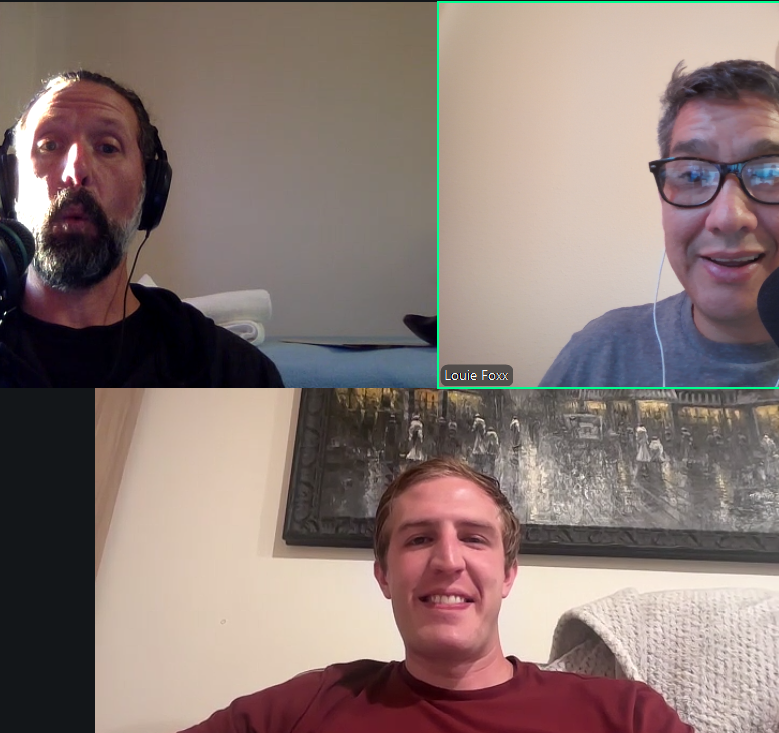
Cory takes us inside the world of freestyle competitions, inventing new tricks, and the process of developing his act. We also hear about the moment he decided to leave his regular job behind, follow his dream, and become a full-time performer.
Podcast: Play in new window | Download
Subscribe: RSS
How to Make it Play Onstage
The last couple of days, I’ve written about my idea for a three shell game style routine to be done onstage. The basic premise is that the prize is put into a tennis ball that has a slit cut into it and it’s juggled with two other balls and the audience has to follow the one with the prize.
You can read about the idea here and how I solved one of the problems here.
A challenge that I didn’t think about with using a two dollar bill and a couple of one dollar bills is that they are visually similar when viewed from a distance. The different formatting of a five and higher value bill looks different, however a $1 and $2 have the same layout.
How Can They Look Different From a Distance?
This is the challenge, making the trick play to the back row. Here’s an idea for the solution to that: What if on the back of the two dollar bill in bright, sparkly ink/paint I wrote “LUCKY”? I could introduce the two dollar bill and say it’s my lucky one, then turn it around to show the word on the back. That visual difference would make it play further back in an audience.
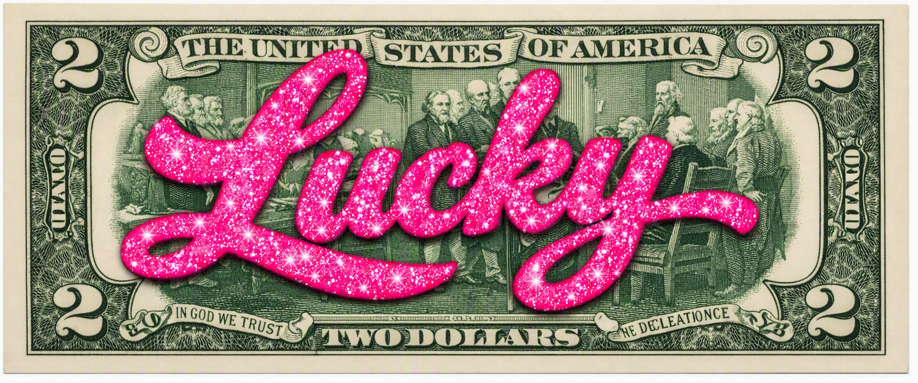
When I create routines, I always try to think about the back row!
-Louie
Remove the Loss In a Shell Game Routine
Yesterday I wrote a post about the idea of doing a three shell game type routine onstage using tennis balls, and you can read it here. The tennis balls have slits cut in them that I put money into, and the audience has to follow the one with the money.
One of the problems with this style of routine is that the spectator loses. I’m trying to take the sting out of that. My idea isn’t that they win; they still lose, but ultimately, as losers of the game, they still win.
How Do They Lose, But Still Win?
I’m not sure how this will play with an audience, but here’s the idea:
I show a two dollar bill and put it into one of the tennis balls. I tell the audience that it’s “My lucky two dollar bill” and you won’t win it. I’ve played this game hundreds of times; each time I lose two dollars, but I have never lost this two dollar bill!”
The bill is put into a tennis ball, and they’re juggled. Someone from the audience selects one of the balls, and it’s tossed to them. They open it, and it has one dollar in it. You give them a second chance, and they pick another one, and when they open it, that one has a one dollar bill in it as well. That leaves you with the two dollar bill!
Ok, so they lost in their objective; however, they still walked away with the same amount of money that they would have won if they found the two dollar bill.
I think this idea takes the sting out of the spectator losing at the end.
-Louie
The Shell Game Onstage
The idea of doing a three shell game style routine onstage has been in my head for a little while. Onstage, a shell game type routine typically manifests itself as a Bank Nite type routine, where money is mixed with worthless prizes. The spectator picks all but one envelope, leaving the magician with one, which has the money.
There are two challenges with a Bank Nite style of routine:
1: The spectator loses (usually)
2: The final reveal is anti-climatic, the audience knows what’s in the last envelope, so opening it isn’t really a moment.
A good example of ending the routine with a bit of a moment is telling the audience that money is in one of the envelopes, but not showing them. A good example of this is John Archer’s Blank Nite routine:
What’s the Solution to Doing The Shell Game Onstage?
This doesn’t really solve the problem, but here’s the idea I came up with: You have three tennis balls with slits cut in them. You put the $100 into one of them, and the audience has to follow that one while you juggle it.
This is nice and visual, and it has the mixing element of the three shell game. The audience is involved in trying to follow it.
This doesn’t solve the two main problems: the spectator loses, and the final reveal is anticlimactic.
I like the visual…but now to try to figure out how to solve the two issues.
-Louie
Making a Juggling Routine
A few days ago I had an idea for a magic routine, and in that routine there is a juggling element. I can juggle, but am not a juggler and needed to work out a sequence. Luckily, in the performer house that I’m at, there are two jugglers and a physical comedian there. Last night we had a little workshop on the routine!
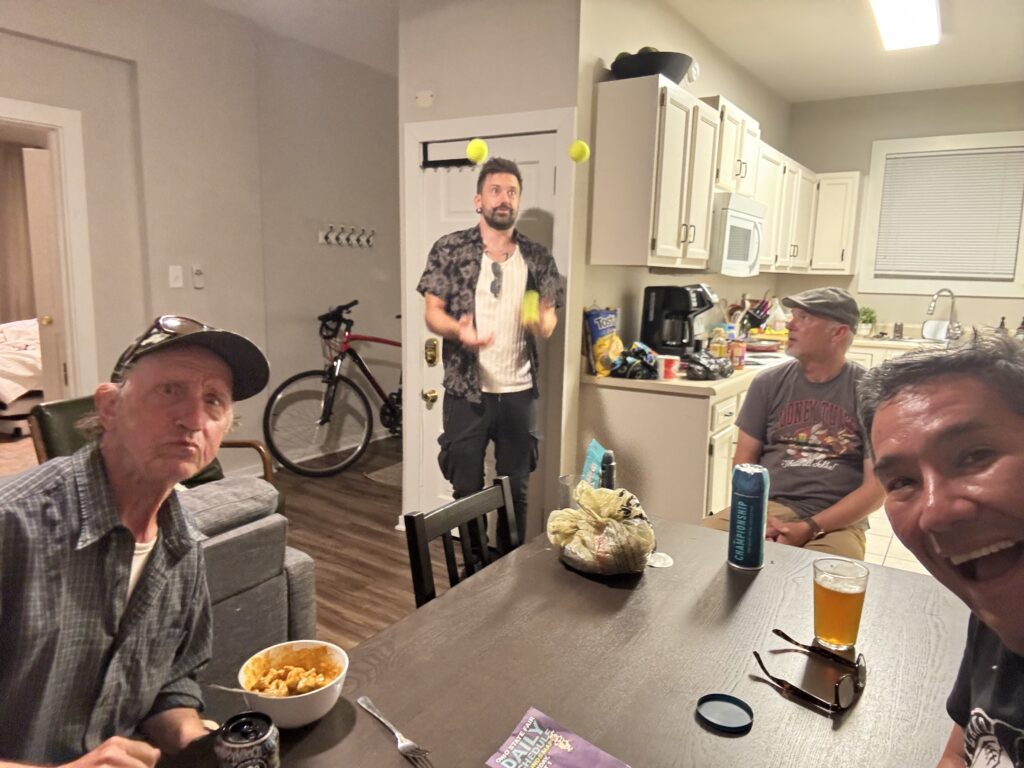
I’m a huge fan of workshopping with other performers. It’s a way to get a lot of ideas quickly, or to get expertise that you don’t have. I can juggle, but I don’t know the best way to put together a juggling sequence.
Workshopping with performers who don’t just do magic brings in a lot of different thinking and ideas than just magicians.
-Louie
The Moisture Festival Podcast – Juggle Jawns
In this episode, we welcome juggler extraordinaire Juggle Jawns. We discuss what makes his style so unique, the influences that inspired him, and how he incorporates a few different media into his performances.
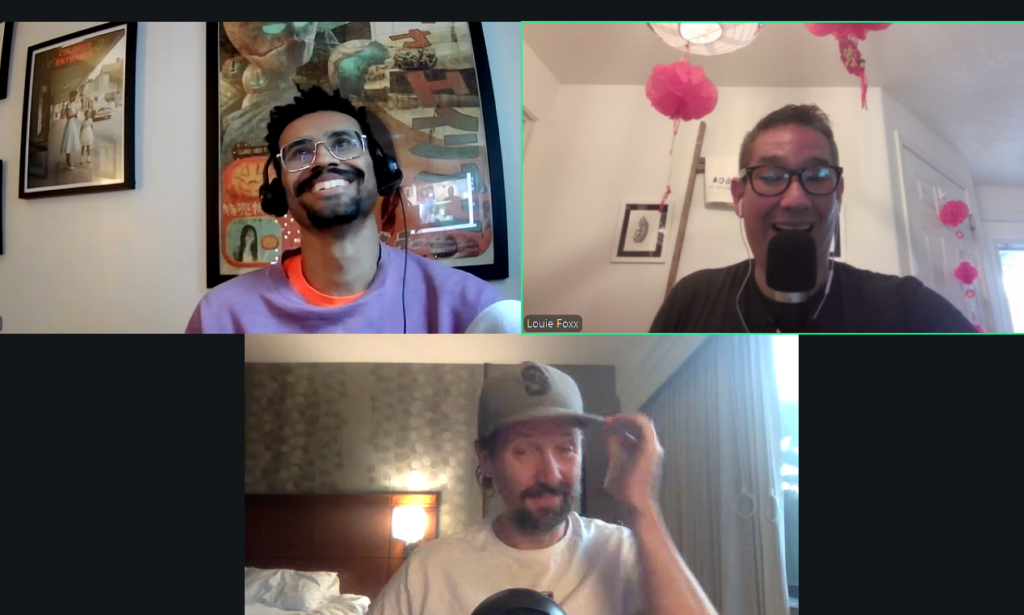
We talk about his background in athletics and how that coordination helped him when he began juggling. We also discuss how the juggling club at his college allowed him to meet and learn from one of the most innovative jugglers working today. A great interview with a fantastic performer.
Podcast: Play in new window | Download
Subscribe: RSS
The Moisture Festival Podcast – Vanessa Vortex
On this episode we welcome hula hoop specialist and circus organizer Vanessa Vortex. We learn about growing up on Broadway in New York and how she rebelled against her Show Biz parents by going to college.
We learn about her journey across the country, how she got involved in circus and what led her to be one of the co-founders of the Bellingham Circus Guild. A fantastic conversation with an amazing person to have in our community.
Podcast: Play in new window | Download
Subscribe: RSS
The Moisture Festival Podcast – Thom Wall
On this episode we welcome in juggler and modern day vaudevillian Thom Wall. Thom talks about his life as a performer in Cirque du Soleil and how that drove him to pursue creating a one-man show that he performs on Cruise Ships.
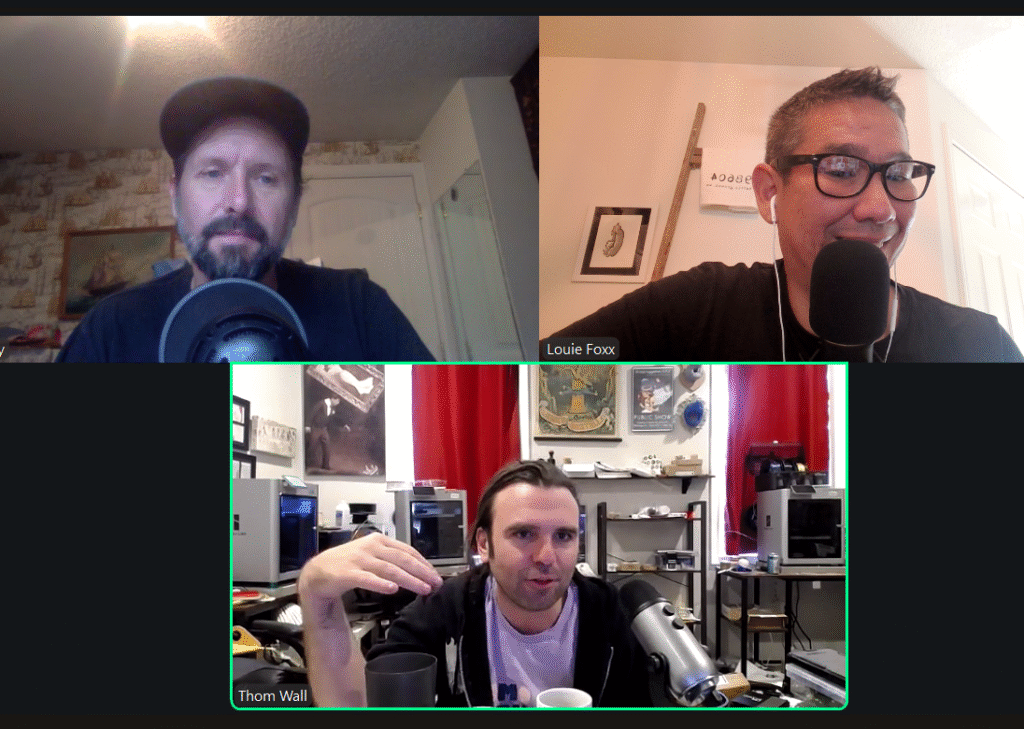
We discuss his upbringing and his exposure to ancient Egypt by his father. We learn about his book publishing business, Modern Vaudeville Press, and why he decided to start his own. A really fantastic conversation with one of the premier comedy jugglers in the world.
Podcast: Play in new window | Download
Subscribe: RSS
The Moisture Festival Podcast – Mick Holsbeke
On this episode we welcome in clown Mick Holsbeke. We talk about growing up in Florida and how his economics teacher in high school introduced him to Harry Levine.
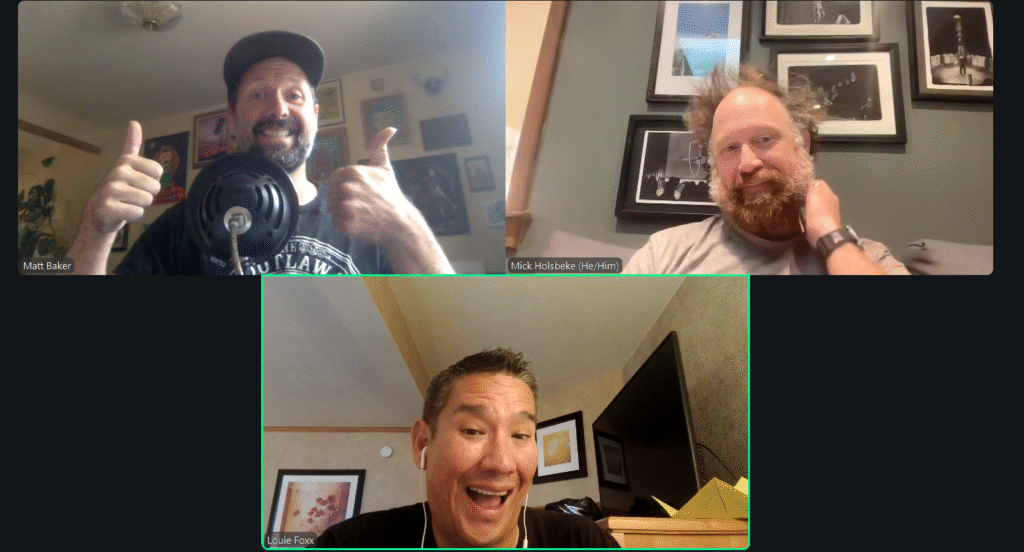
We learn about his cross country journey to the Pacific Northwest and how seeing street performers inspired him to pursue street theatre. We talk about his journey to clown and how that art form has taken him around the world. A great conversation with a fantastic person.
Podcast: Play in new window | Download
Subscribe: RSS