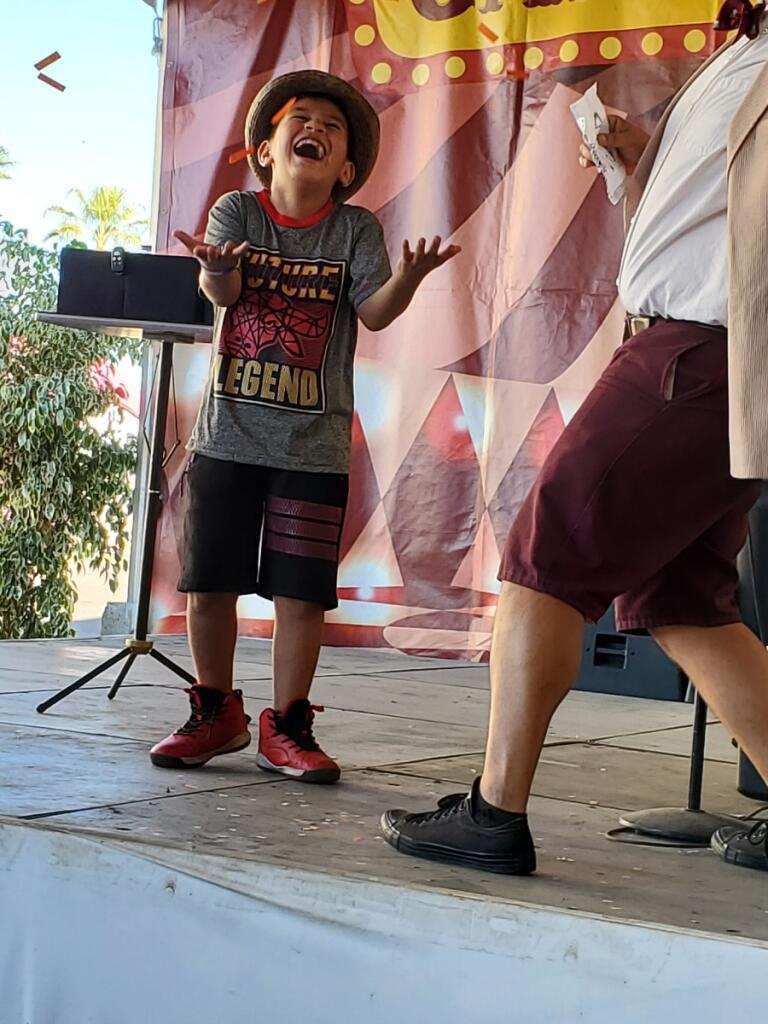
A couple of days ago I finished up my run at a 22 day gig (that took place over 30 days). I’m reflecting on all of the work I got done on the show over the 66 shows I did. Every show I was working on something. Sometimes it was a full routine, and sometimes it was small, like adding some confetti to a bit in the that I do with a kid.
For me, it’s all about trying to get better every show. Yes, there are some shows where you shouldn’t be trying or tweaking and you do just all A material. However I have the most fun when I can get on stage and play with ideas.
Here’s my stats for new stuff over the last month: Hand held mic technique went from a D to a C+ Invisible deck like routine went from D to a B Spoon and Fork went from C to B Drawing routine went from B to A Foam hand went from D to C Game show went from D to B
Having 66 shows to start to level up routines is a good use of the run of shows! I feel like I left there a better performer, writer and magic creator!
A few days ago, I wrote about post about rewriting a prediction on larger paper and the trick playing better (you can read it here). I’m now running into a new challenge with the prediction, if there’s a little bit of wind, it will warp and it’s hard to read the whole thing.
The nice thing is that the prediction is revealed and read 1/4 of the page at a time, so if the top bends, that information has already been revealed to the audience. However seeing the whole thing is a better picture.
While I probably won’t have time to try this in the next few days, a solution would to be put a line of tape on the back of it. Maybe just around the edges and and X across the middle. That would give it some support. If that doesn’t work, I could completely line the back with tape. That would essentially be laminating the back of the prediction.
I thought I was done with the virtual shows, but last night I was back at it! Doing this show as a nice change of pace from the three shows a day I’m doing at a state fair all month.
This was a corporate gig that was for the employees and their families. This was a fun group! One thing I’ve noticed with virtual shows is the time really flies by, compared to a live show. I think that with an in person show, time travels soo much slower. I think it’s because I’ve done it in person soo much that I have to think less. With the virtual I’m constantly on my toes.
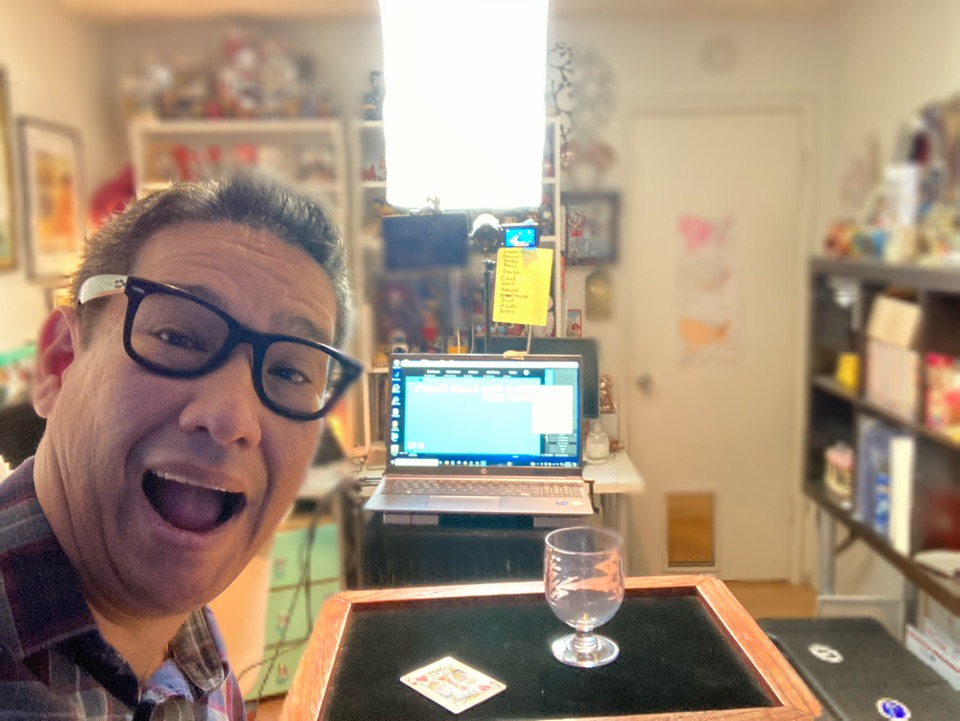
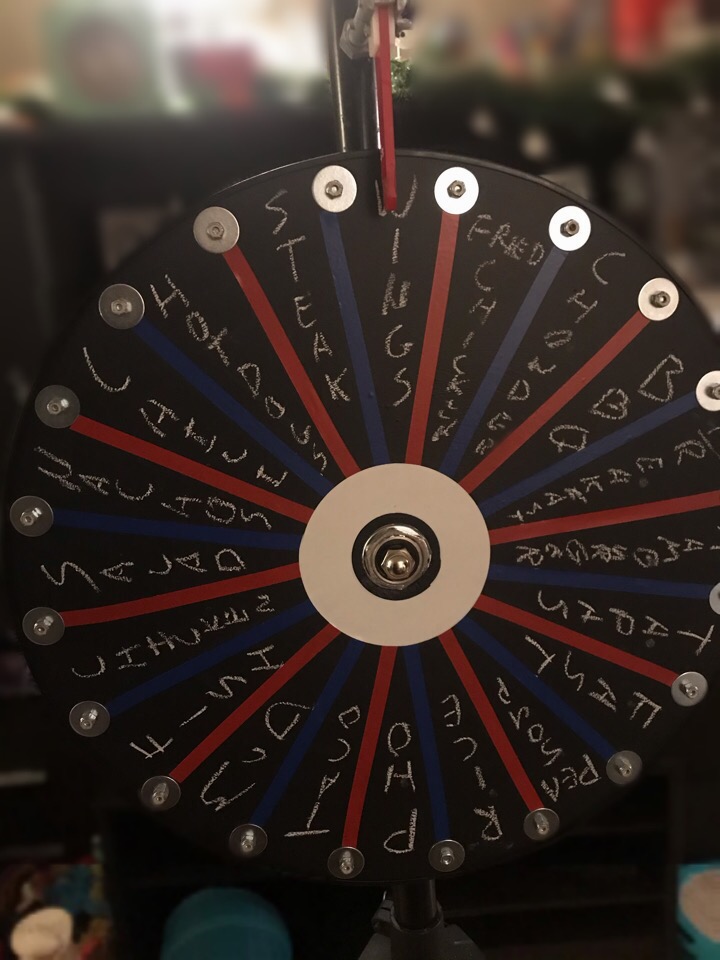
In my virtual show my daughter usually runs the production end of the show and in it I normally do a prediction that she helps me out with, but unfortunately she wasn’t available last night. So I had to had to do it all solo. Running the production part is easy, but doing the prediction was going to be a bit of a challenge. Normally the prediction we do is my “Wheel of dinner”. I was going to modify it to a “wheel of costumes” as the client wanted some Halloween themed tricks. The problem was how I was going to accomplish the trick. With the wheel there are 20 options and it doesn’t force. There are ways to force from the wheel, but I really like just spinning it. It feels random.
It hit me, a while ago I had bought Manifest by Danny Weiser, which is a prediction on a luggage tag and never used it. I hung the luggage tag in the background, and during the course of a trick, I asked someone what they were going to be for Halloween. Then at the end of the trick, I did the reveal of the prediction. It played really well. I like a prediction, where the prediction is not the routine, but a bonus…especially because I takes a lot of the heat off of the method!
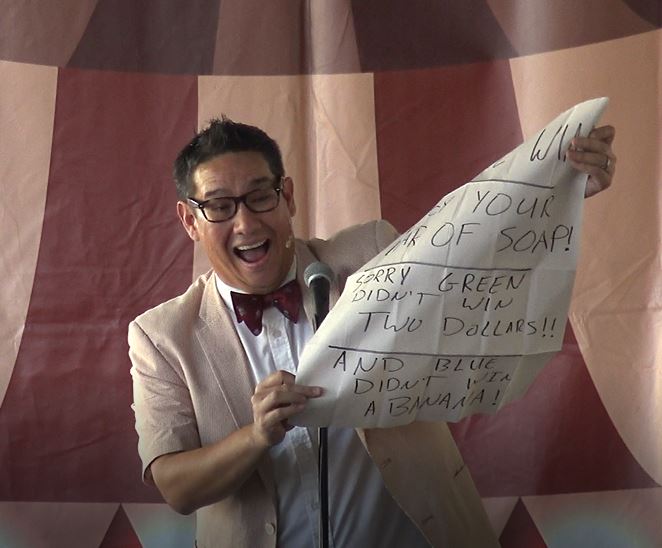
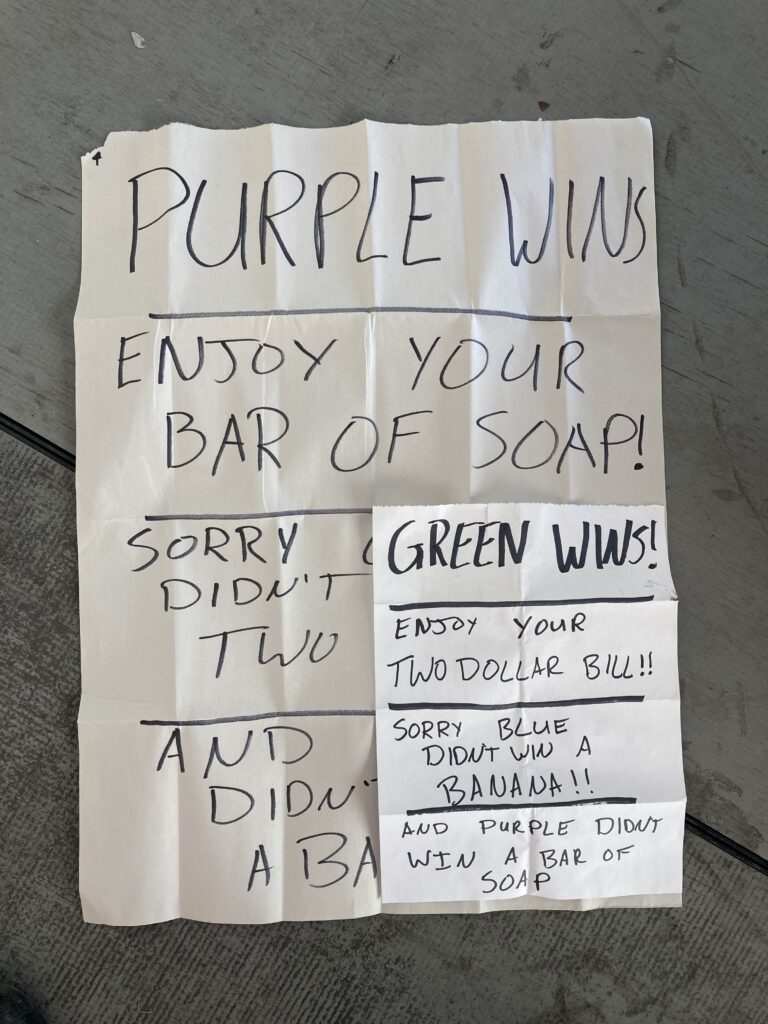
One of the tricks I’ve been working on, sort of on and off all summer is based on Alan Wong and Luca Volpe‘s The Key of Fate. I’m using their basic framework for the trick, but have changed the props a lot. I’m using totally different forces for the prizes and the method for forcing the winner. The basic effect is you predict the outcome of game and what prize the winner gets.
When I first started doing this I was using a larger piece of paper, but the paper got damaged and all I could find was a smaller piece of paper. The small piece was about 15×10 inches, so still fairly large. The trick wasn’t hitting, but due to my schedule I was having trouble finding time to hunt for bigger paper. The effect was playing just OK with the smaller paper and I was thinking of giving up on it. I was attributing the OK response to my performance. Then I had time to hunt down some giant paper, that’s 30×20 and rewrote the prediction.
Here’s the size comparison:
The new prediction is soo much bigger than the previous one. Much to my surprise, the trick is hitting soo much harder with the bigger paper than with the smaller paper. Sometimes it’s small changes that can make a huge impact to a routine.
Now I’m wishing I had done thing a long time ago, I would have gotten a lot more work on this routine done this summer.
It drives me nuts when magicians complain about magic tricks being “knocked off” or “stolen”, but they didn’t take the most basic steps to protect them. It doesn’t take much to register a copyright on the art and instruction for whatever trick you are putting out.
Before you say it, I’m aware that in the USA your work is “copyrighted” the second you create it. The issue is that you can’t enforce that copyright without a registration number. Sure, you can send a “cease and desist” letter, but without a copyright registration, you really can’t legally enforce it.
Magician’s love to say that “show business” is two words and the business is important. It is, and it’s time for magicians to actually look into the business part when releasing tricks. If they did what businesses do and legally protect their intellectual property it really wouldn’t be an ethical issue. It’s pretty cut and dry.
It’s a business decision to not patent a trick that you are releasing due to the cost or time it takes to get a patent. That’s fine, but you have to live with that decision.
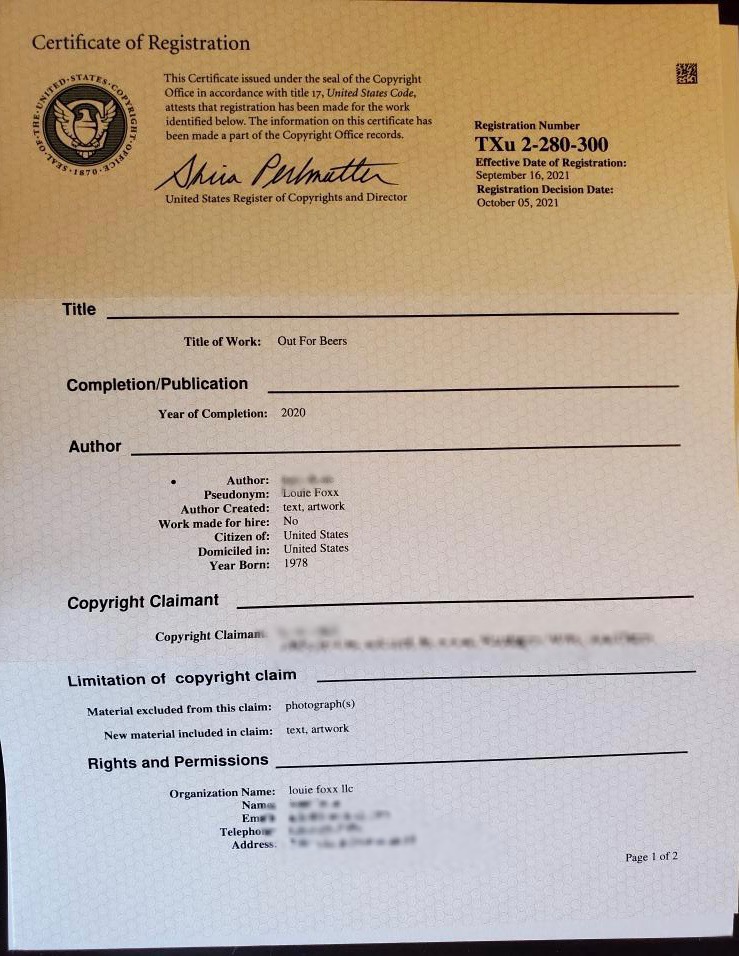
Recently I put out a trick called Out For Beers. This trick uses an original visual gag combined with the Out To Lunch Principle. I really like the gag, and wanted to protect it as it’s something that would be easy to knock off. For $65 in filing fees, I was able to copyright the gag. I’ve copyrighted stuff in the past, and it’s always taken 6-9 months, however somehow I got lucky and this one was process in less than a month!
What this certificate and registration number does is allow me to quickly force sites like Ebay or AliExpress to remove the knock off or unauthorized version of the trick from their websites. This doesn’t guarantee that my stuff won’t get knocked off, but it’s gives me a tool to fight people who are knocking off my stuff!
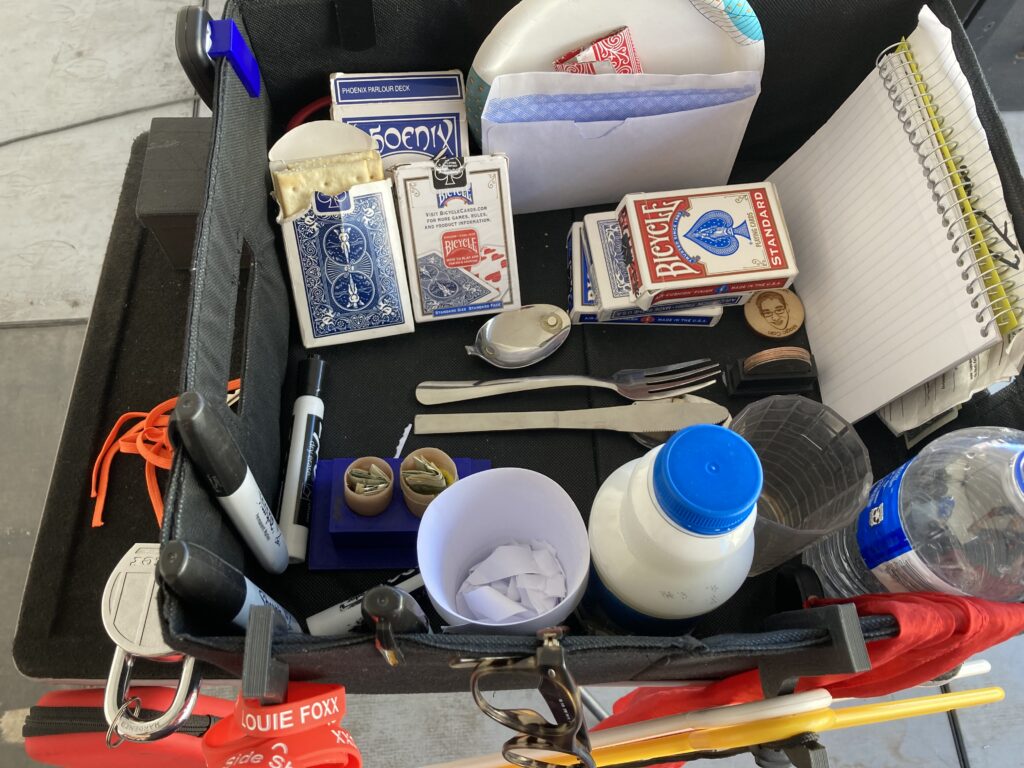
When it comes to prop management, I’m not the best, but I do have a system. All of my hand held props are in a bin on my table. I don’t do any performing on the table top, it all happens in my hands, so the table simply holds my props. Here’s a peek into my table top bin:
As things get used they either go back into their space in the bin if the trick is instantly reset at the completion of the trick. If the trick doesn’t reset, it goes into my case which is to my left and holds a two larger props I use. This system works well for me when doing three shows a day at fairs. It makes it easy for me to assess what tricks need to be reset and make sure nothing gets missed.
I’m sure there are better systems. I know some two person acts have the “assistant” bring out each routine and then remove the props at the end of the routines. The advantage of that is the show is getting packed up while the show is happening. I’ve used this system in the past when I’ve performed with my daughter. It’s a really nice way to do it, but it’s not something in can do in 90% of my shows.
What’s probably the most important thing is that you have a system of some sort to try to eliminate or shorten dead time while getting or putting away props. Sometimes a joke or interesting patter can fill this time. Other instances, simply having a prop that’s easy to grab is the best option.
I’m still working through using a handheld microphone in the show. There’s definitely a learning curve. I’m getting better at it, but it’s an uphill slog. I have a lot of points where I’m holding the mic in my hand, then put it in the stand for a moment, only to quickly remove it.
I really like how when I’m holding the mic in my hand, I’m a lot more expressive with my hands than when I’m wearing just a headset. I think holding the mic makes me more aware of what my hands are doing. It also puts a hand up near my face, so I can play more with motion that’s motivated.
As I get deeper into my show, I’m realizing that there’s going to be a lot of spaces where I’ll need to use the mic neck holder. That’s fine, I’ll need a joke to address it. Today I have to figure out how to do the reveal of the object in ball of yarn that’s the end of the longest routine in the show. I had to chunk this routine out into three bits to figure out the blocking, and today will be the third bit to figure out.
Having a gig where I’m doing 66 shows at all month is a great opportunity to work on new material. I’m still working on my idea for the Invisible Deck. It’s coming along. I’m now using Phoenix Large Index Cards. The bigger index makes it play a row or two further back.
One thing I’m realizing is that this trick is going to be limited to the size of room it can play. I’m going to need to figure out a way to scale the trick back up to either a Phoenix Parlour sized deck or a jumbo deck. It’s interesting how the process works, I had to shrink the trick to figure out why I need to enlarge it!
So why not just go back to using the Vernet 52 B’Wave?
The main reason is the routine I was doing required 3 jumbo decks and didn’t really have a routine for it. By changing the method, I ended up finding a presentational hook for the trick, which ultimately helps the routine. Yes, I could do my routine with the 52 B’Wave, but now that’d bump it up to travelling with four jumbo decks, and that’s a lot of weight in case for a card trick!
I think the method may end up being some sort of hybrid method, where the reveal deck is similar to the 52 B’Wave deck, but with different reveal cards, and reveal cards that aren’t gimmicked, so they can be shown more freely.
Another reason I’m playing with a different method is that there’s a sense of pride I have when I perform with original methods.
When I was first starting out performing in comedy clubs in the early 2000’s I had to use a wired handheld microphone. As I progress through my career, I switched to a wireless headset. I’m now playing with going back to being able to do my show with a wired handheld microphone. The main reason is that it’s logistically easy. I don’t need to travel with my own gear, and it also makes trying out new stuff and open mic’s much easier.
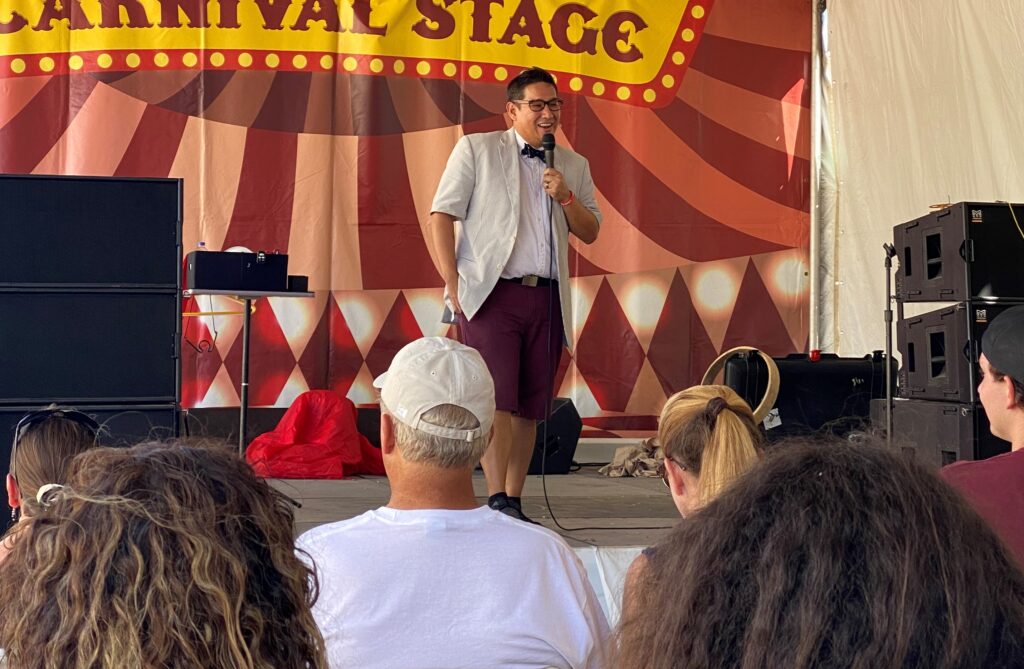
I’m performing all month doing three shows a day at a fair, and aside from working on some new material, I’m also trying to relearn to use a handheld microphone. My preshow right now is a stand up set of jokes, which runs about 7 minutes, and I’m now doing that all with the handheld mic. I’m still wearing my headset during this, but using the handheld.
I picked up Michael Kent’s video Microphone Management For Magicians and it’s a great resource! There’s a lot of good info on the video and totally worth the $49.95!
Right now my goal is every day to move the handheld one bit further into the show. Right now, I have my preshow stand up set, my two new “preshow” tricks and then first actual trick in the show all done with the handheld. The next routine is really three tricks in one routine. I was dreading figuring out how to add the handheld microphone to it as parts of it are pretty physical. Then it hit me, I need to look at it as three tricks, not one routine. Once I broke it down that way, it’s much easier to start figuring out how to do it with a handheld microphone.
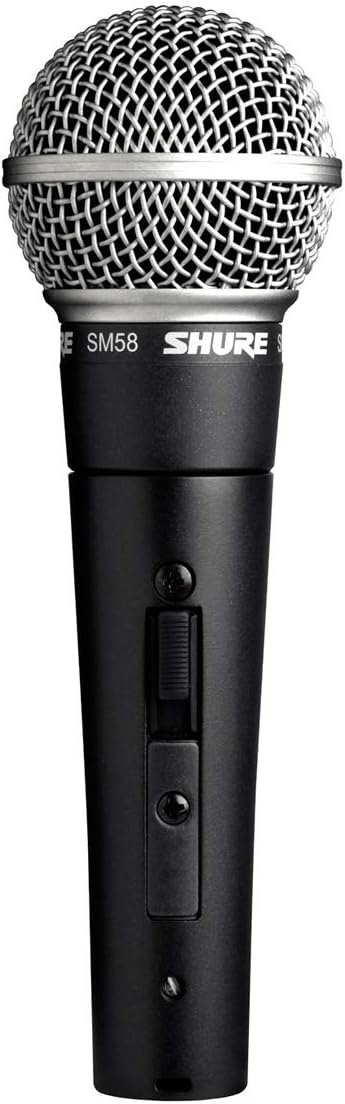
I was chatting with the sound engineer at my stage about what microphone to get and he suggested the Shure SM58S. This is the version of the Shure SM58, but it has an on/off switch which is something I want. Right now if I’m jumping back and forth between the headset and the handheld, I need that switch so that I’m not being picked up by both mics.
If you’ve never used a handheld, I suggest you learn how, it’ll be helpful the one time your headset dies right before showtime.
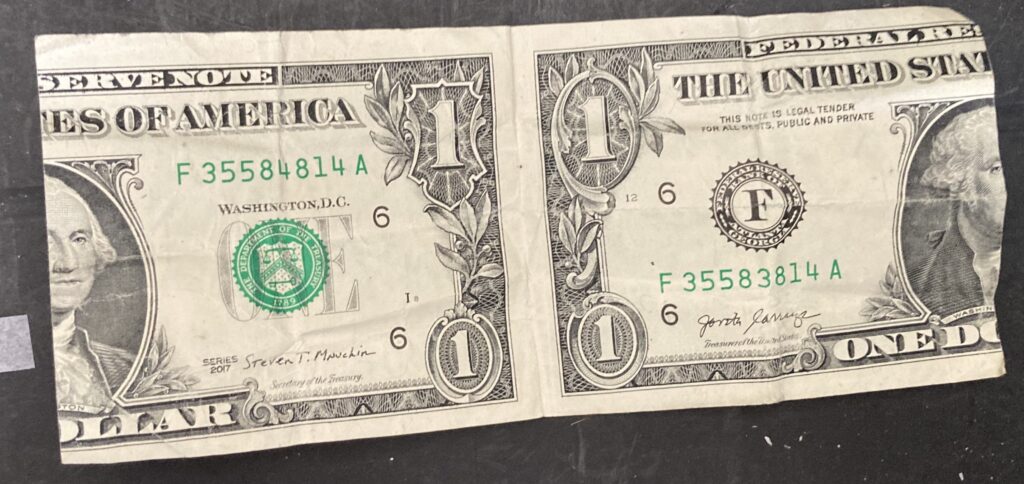
In my stage show I use a mismade bill that just has one seam of the bill on each side.
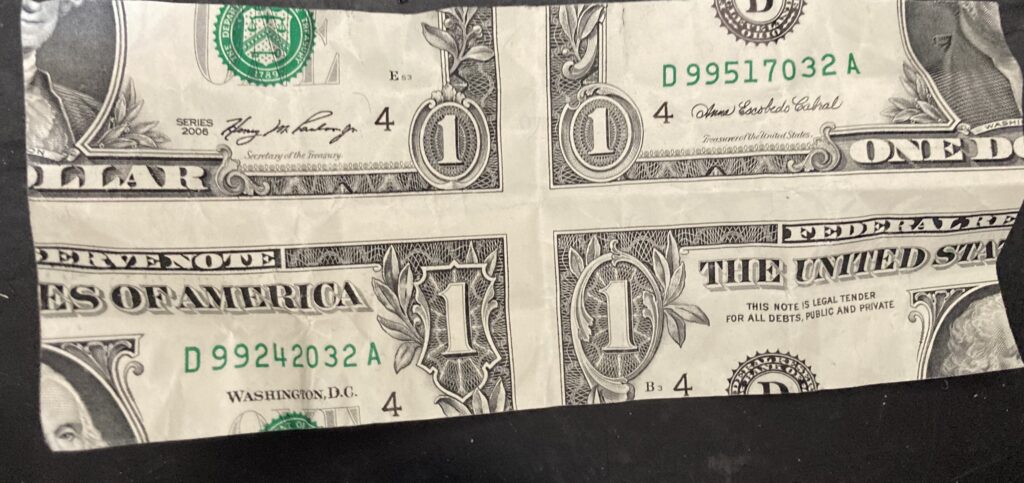
Most magician’s use the mismade bill that has two seams:
I think the single seam is easier to visually process from the audience and at a distance. I decided to do some testing at the fair that I’m performing at and I’m getting bigger reactions and faster reactions from the bill with a single seam than with two seams.
It’s such a small thing, and in many context’s you may want to use the two seam bill, like if you are tearing a bill into quarter, of course it makes sense to use the bill with two pieces. In my routine, I turn the bill inside out, so there’s no tearing.
The important thing is to try new things and see if maybe you can get a better reaction doing something slightly different.