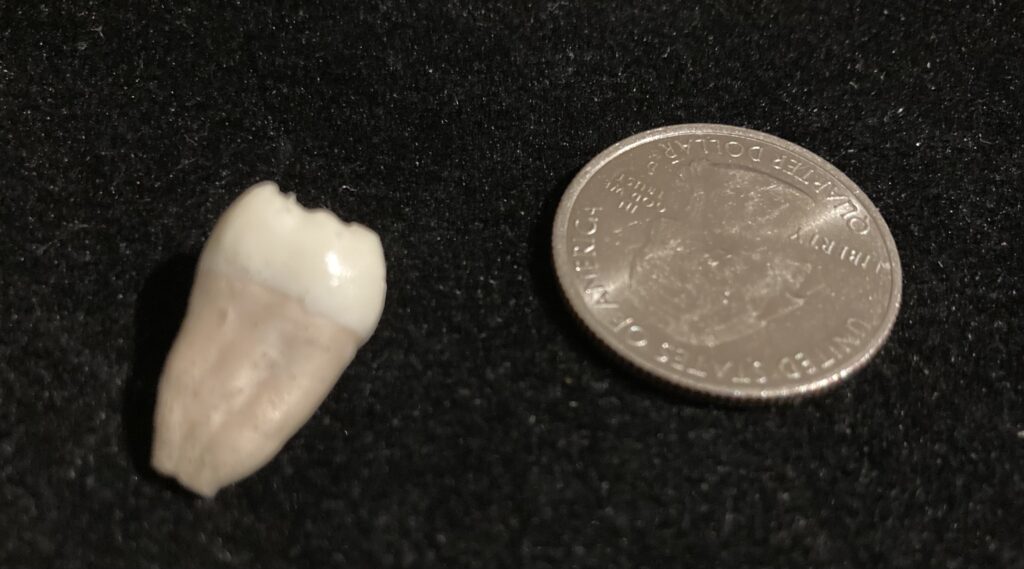
The other day I had a strange idea. I wanted to do a transposition between a tooth and a quarter. Using the toothfairy as presentation hook is a no brainer for this. The challenge was that I wanted one of them to be held in the spectator’s hand and obviously they are very different shapes.
The solution finally hit me, why not hand them a folding coin that was folded in thirds? This will have roughly the same shape as a tooth, and have some textures like a tooth. Once that was figured out, the rest of the mechanics were pretty simple. Here’s me trying it out:
It works! This was a great solution for strange problem.
This summer I’m doing a few virtual shows that will be cryptid themed. I’m starting the brainstorming process and I remember seeing Bigfoot Finger Feet. These are little bigfoot feet that go on your fingers. They would work great with a virtual show because you can zoom in on them and make them play big on the screen.
The idea that I came up with that I liked was to have five cards (actually blank drink coasters) with the names of different bigfoot sighting locations. I could show each card and talk about and/or show video of the sighting. I would use the feet to walk over the cards as I talked about the sightings. Then they would pick one. I’d pour water over all of the cards “to make fresh mud for the tracks” and when I do that, bigfoot footprints would appear on the selected location’s card!
From a method standpoint there’s a lot of ways I could force the location. I could use: Quinta, Hotrod Force, Math Number Forces, etc. Then for the reveal, simply using a hydrophobic spray and an stencil would do the trick.
I think using the video element of the sightings adds a lot of production elements to the trick that wouldn’t be in a typical in person library show. The nice thing is the investment for this trick will be about $20 and with showing the short video clips, I can probably get 4-5 mins out of it.
Last week at the conference I was at, I finally ran into the correct way to have seating in a banquet hall! Normally when there are round tables, the chairs are seated around the entire table.
The problem with this is if there’s a show or presentation, one to three people have their backs to the stage. Commons sense thinking for event planners is “people will just turn the chairs“. Unfortunately the reality is that most people don’t turn the chairs. They start watching with their bodies contorted in the chair to watch the show. This gets very uncomfortable and even if you engage them the entire time, it’s still hard for them to enjoy the show.
The simple solution to this is to ask people to turn their chairs. What always amazes me is that this never gets 100% compliance. You’ll get maybe 25%-75% of the people to turn their chairs.
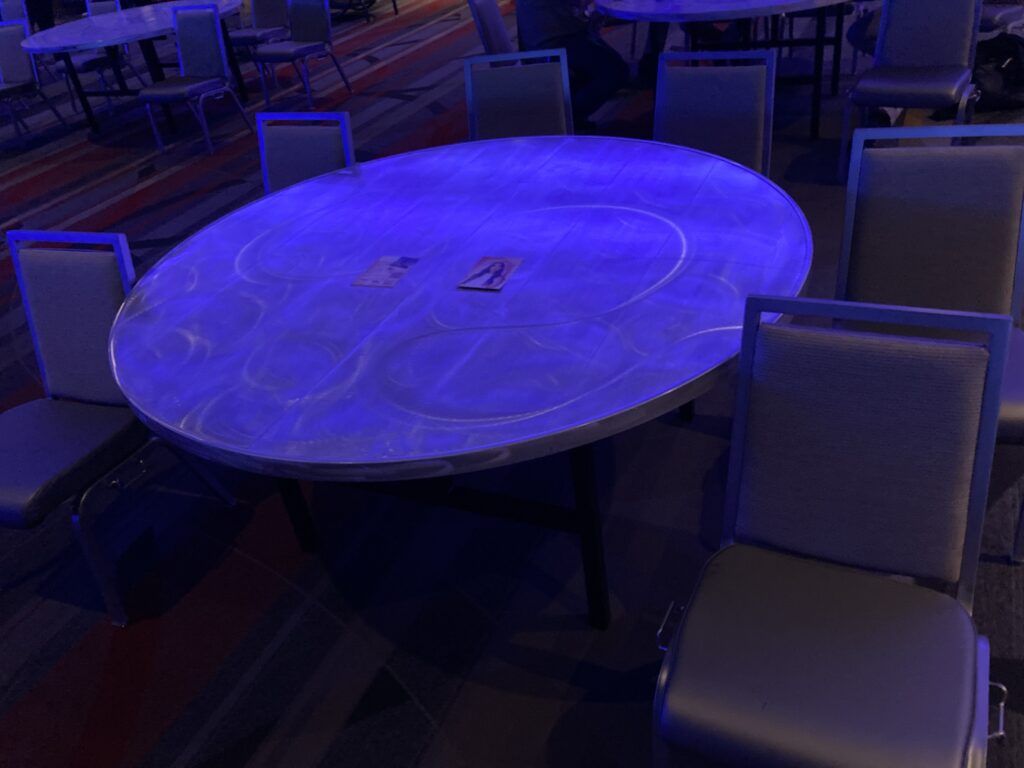
The banquet room I was at last week had the chairs arranged like this:
All of the chairs are facing forward and there’s no chair at the front of the table. That’s how you get good value from whoever you hire for a show!
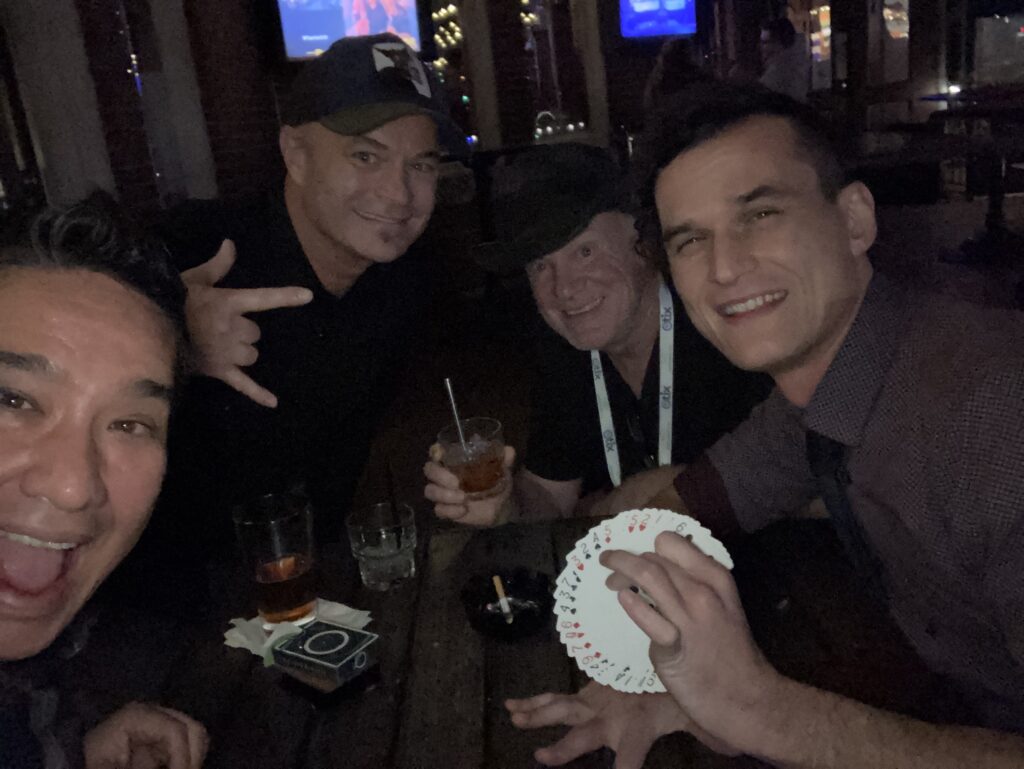
I just wrapped up a conference in San Antonio and in my usual style I got the magicians together to have a little magic jam.
The two guys in the middle I’ve hung out with many many times. The guy I’d never hung out with before is Josh Farley (holding the cards in the pic). Here’s his Penn and Teller appearance:
Josh is a fun guy to hang out with and BS magic. He’s got an interesting move with a double lift. If he’s ever in your town, go check out his show! -Louie
A couple of weeks ago I was at a booking conference and one of the acts did Bowl-A-Rama by Kevin James. If you aren’t familiar with the trick, it’s a bowling ball production from a sketch pad. Here’s what it looks like:
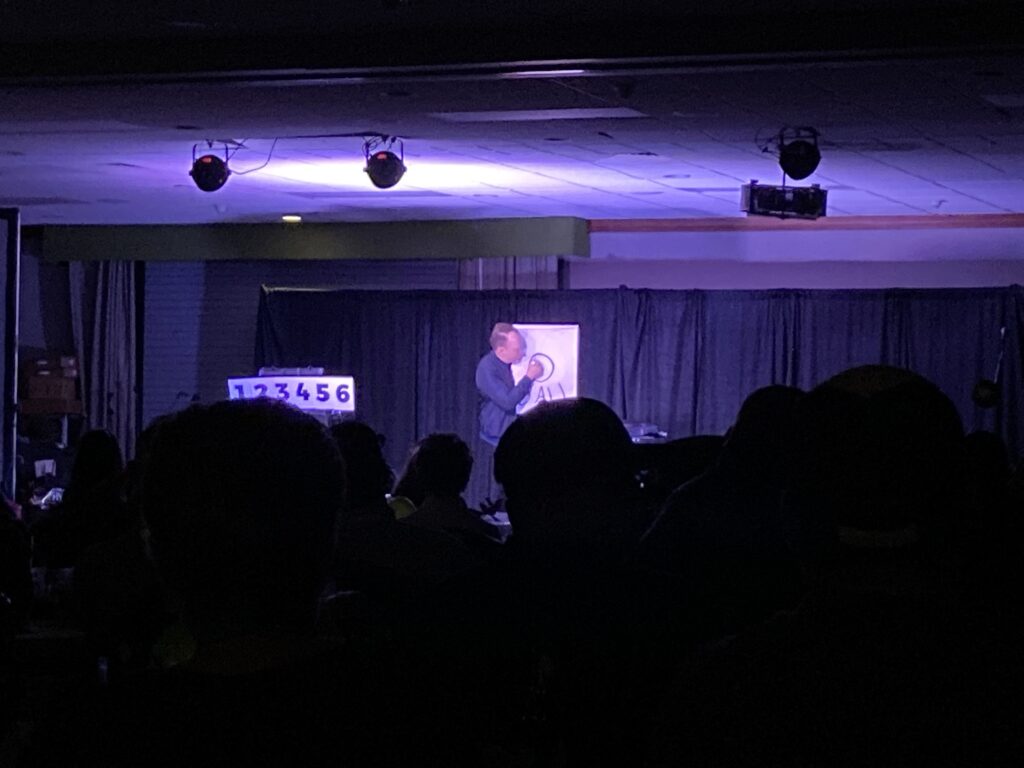
This is a great trick…usually. Here’s a picture of the guy I saw doing it:
Do you see the problem with doing it in this venue?
If you can’t spot the problem, here’s what it is: The stage is very low The production of the bowling ball happened below the guy’s waist, which means most of the audience couldn’t see it. This was his opening effect and totally wasted on the audience.
I don’t fault the performer. He was flying in to do a showcase set and probably only packed his showcase set. Replacing the bit probably wasn’t an option for this specific bit.
One thing I try to do is watch shows from the back of the audience. Another way to do this is put a video camera in the back, but at eye level as if you were sitting in a chair. If you pay attention you will see what’s visible and what isn’t. For me, I try to avoid anything where the action happens below my waist.
A few months ago I picked up the trick Measure for Measure by Iain Bailey on the used magic market. This is a tape measure prediction, where you pull the tape out and someone says stop and wherever they say stop, there’s a giant arrow on the back pointing to that spot.
What I like about the trick is there’s really no explanatory phase to it. You don’t need to set it up, you pull out the tape, they say stop, and the arrow is there. It’s really quick and direct.
Now what I don’t like is that the tape is really hard to manage once you get past a few feet. I think Iain in the video mentions he came up with the trick during the COVID shutdown, so I’m guessing he hasn’t really tried it outside of a virtual context before he released it. The big problem with the trick is that once you get past pulling out a few feet of the tape ruler, it gets very hard to manage. The tape gets floppy and makes the trick hard to present…especially from a technical angle, but also from a visual standpoint. It doesn’t look good with you struggling to hold a tape measure straight.
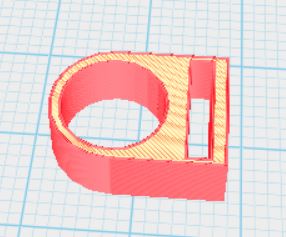
One solution is to have someone from the audience hold one end of the tape. That’s a decent solution, but it’s not always practical from a stage craft and technical end. My solution was to go to my trusty 3D printer and make a thing that will got onto the mic stand that I can put the tongue of the tape measure into. Here’s what it looks like on the computer:
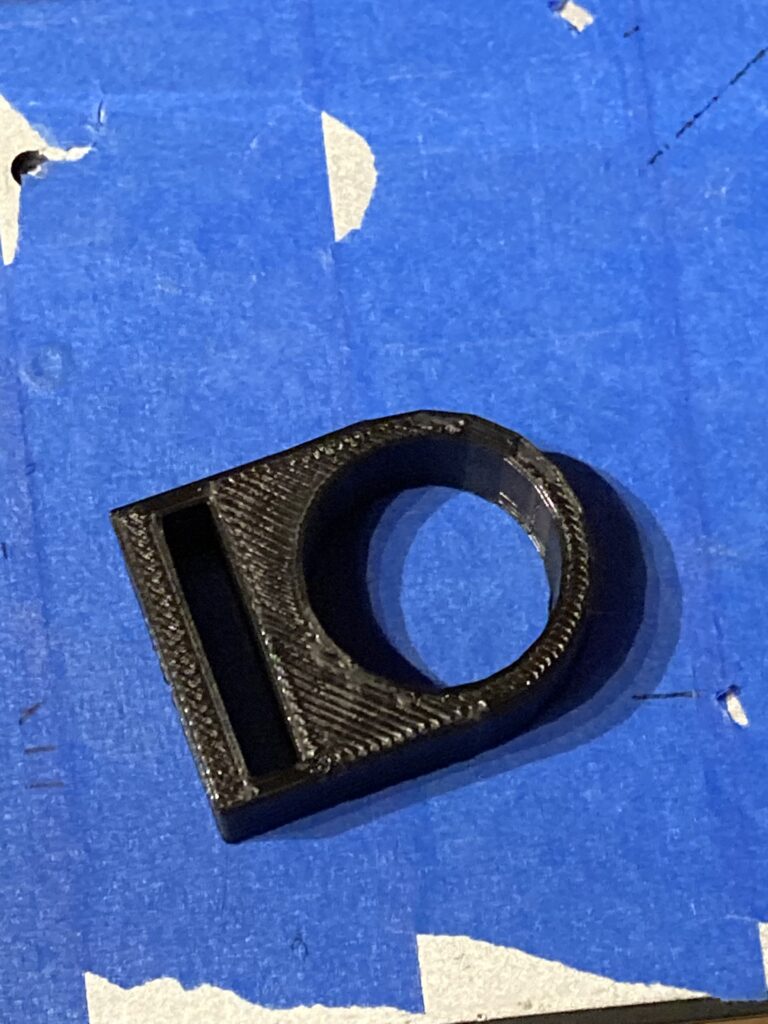
And here’s what the initial print looks like:
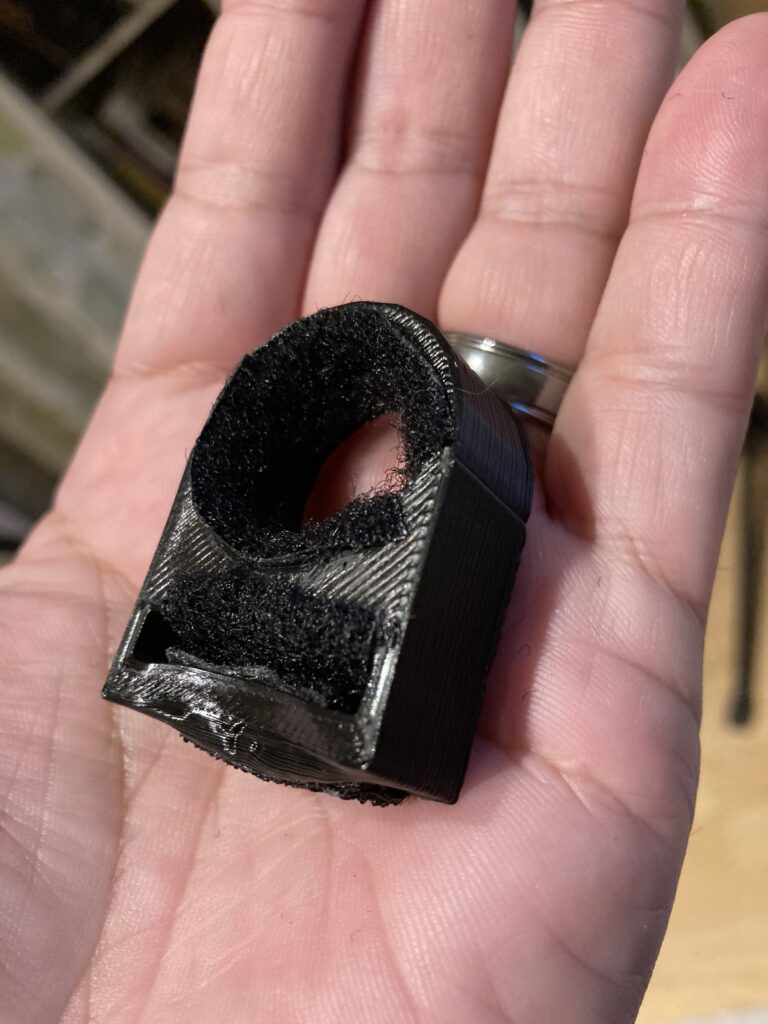
I made it a little bit bigger than it needed to be, so to tighten the gaps, I put the furry side of velcro inside of the holes. I also noticed that the flat end where the tape measure will sit shouldn’t be flat on the top, but concave. I didn’t want print another one, so I hit it with a heat gun, then pressed the tape measure down on it to make it concave. Here’s what the final thing looks like:
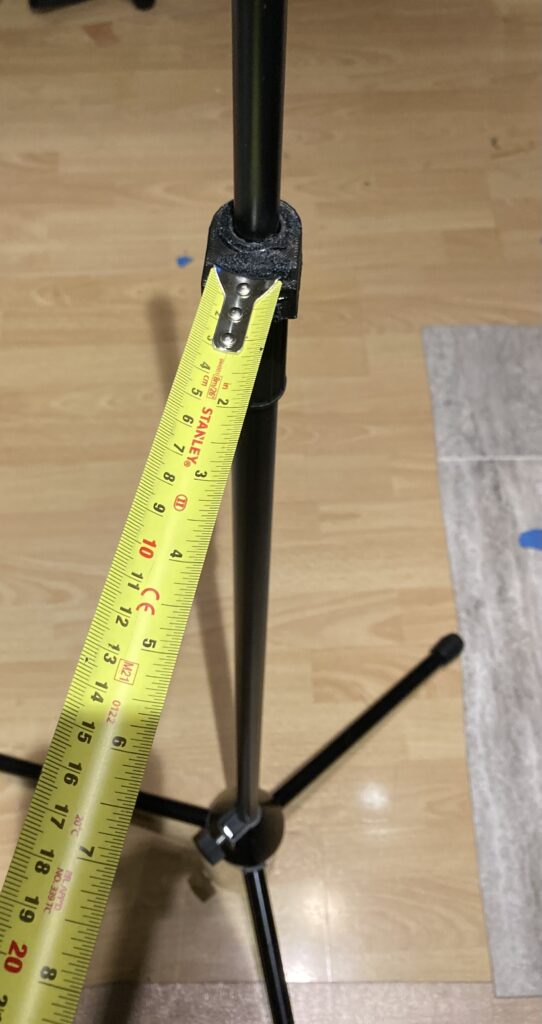
That just slips onto a mic stand and I’m good to go.
It holds the end of the tape measure very securely and low, so the audience hopefully can’t really see the backside of it. As a bonus the action of putting it into the holder hides the secret move that needs to take place at the beginning of the trick.
I’ve always said that most of magic is problem solving. Making this little holder took me about 10 mins to design another 10 minutes to alter and solves the big problem with actually doing the trick!
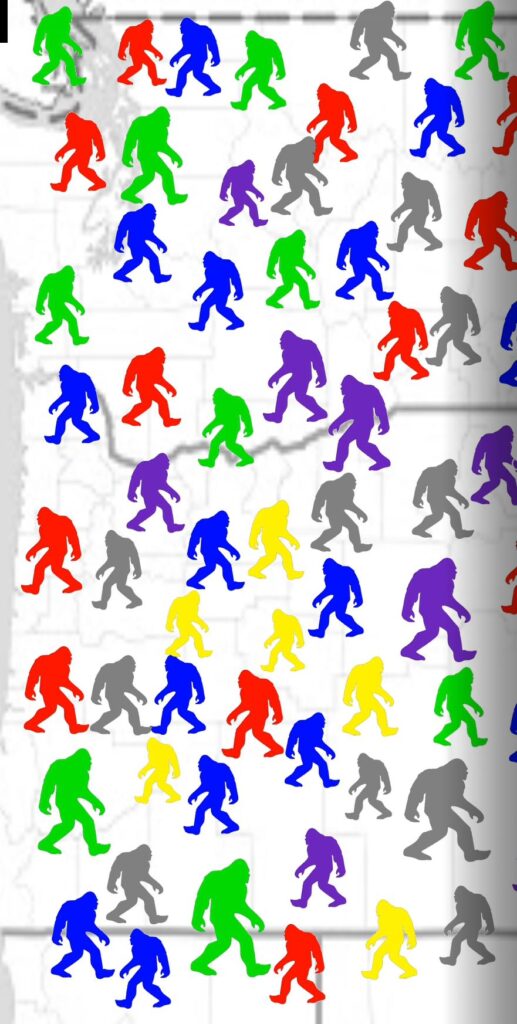
The version I’m working on uses bigfoot images over the background of the Pacific Northwest. In the end the audience will end up on the same bigfoot image and all of the other ones will fade away.
With touch the screen type tricks, something that I’ve learned in virtual shows, you need something physical to end the trick. Something that adds another layer more that you just pushing play on a graphic, or reading some instructions. For me, the physical thing I’m using is a cast of a bigfoot foot print. On the back of it will be the location of where it was taken, which will match the location of the bigfoot that everyone ended up on.
The reveal of the location at the end is a bonus effect. You aren’t doing anything extra to get the final reveal. If anyone thought about it, and you knew everyone was going to end up on the same bigfoot image, then of course you would have known what that location would be. However, in the moment people don’t think like that.
Is this the bonus effect the strongest effect?
Probably not, but in the moment it does strengthen the touch the screen effect.
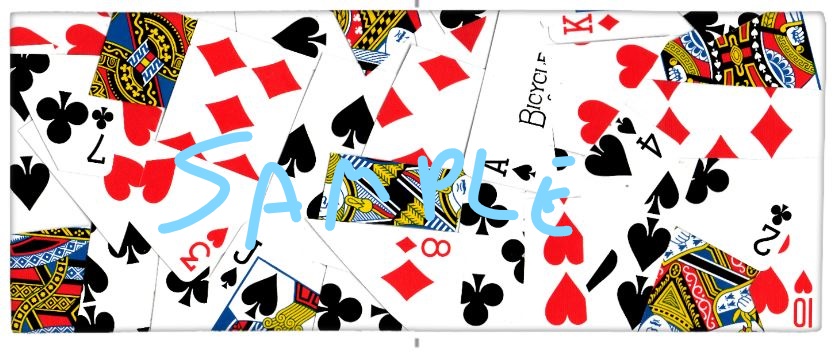
For a while I’ve had an idea for a trick wallet…well for a wallet trick. The wallet w0uld be a Tyvek Wallet and you can have them custom printed with what ever you want on them. My idea is to have a bunch of card pieces put on it, and this is essentially Harry Anderson’s Mishmash Card, but printed on your wallet. The basic effect is someone thinks of a card they see and you reveal it.
In the sample above, there’s more force cards than in Harry’s trick. There’s 8 force cards above. I can now use a similar procedure as in John Kennedy’s Mind Power Deck to figure out the thought of card. I can verbally reveal it, or use a multiple out like in David Harkey’s Minds Eye Deck.
I think combining Kennedy and Harkey’s ideas may make it a stronger trick. I uses figure out what the card is without asking what it is and use that information to set up the reveal. I also like the idea of having your wallet be the trick, so you are good to go whenever!
I just ordered a wallet…I’m betting the design will need some tweaking and I’ll have to redesign it and order another one.
I redesigned the pulley for the double action birdcage pull that I made yesterday. The main difference is that it’s slightly larger and the hole on the non pulley side has been moved 90 degrees.
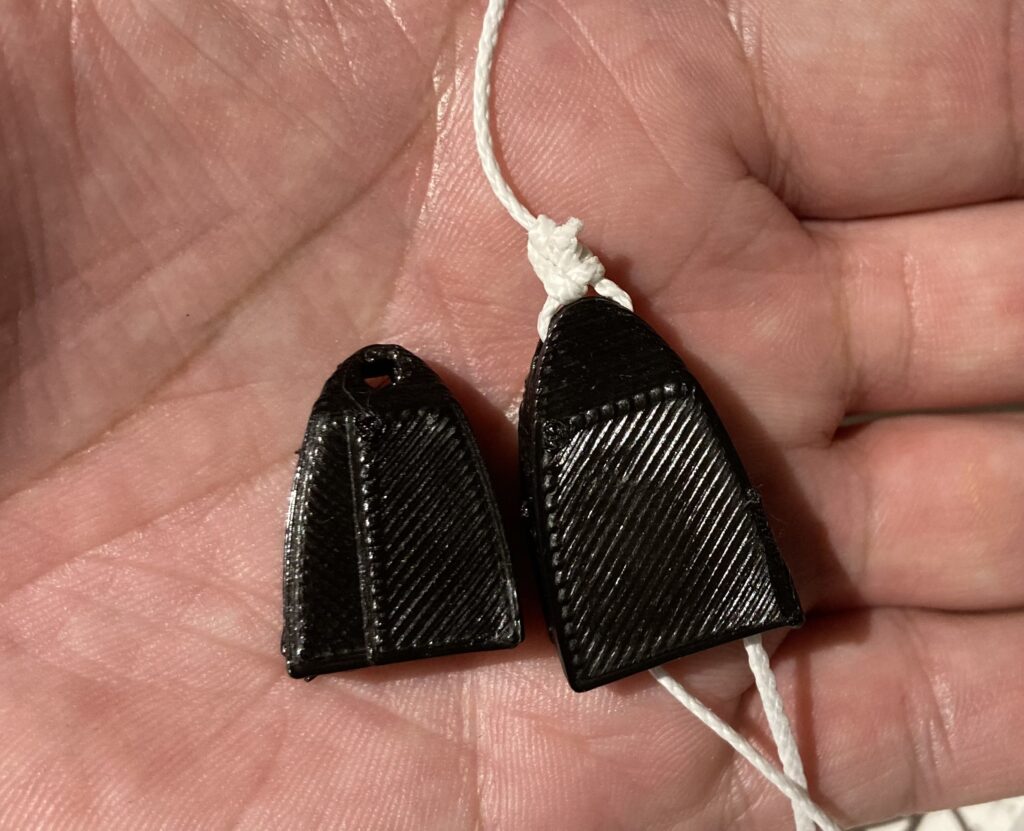
Here’s a side by side comparison with the one that I made yesterday. The old one is on the left and the new design is on the right with the strings on it.
I foreseeing possibly making it wider with the ends flaring out, so that it doesn’t roll inside the jacket and twist the line. We’ll see if that actually ends up being a problem, or if tension alone will straighten out or keep the lines straight. I’ll play with it a bit and see what happens.
If you’re curious about this style of pull, I think I first read about it in Jim Steinmeyer‘s book The Magic of Alan Wakeling. In that book it’s used to vanish a fan, however I think using a pulley on a wrist to wrist pull is much older than Wakeling using it.
For some reason I’ve been thinking of the “double action” birdcage pull lately. I’ve used one a long time ago, and never really felt it contributed much to the vanish. Essentially what a double action pull does is give you more pulling power with less motion. It converts your motion 2 to 1, so you move one inch and the line moves two inches! It’s a great way to reduce arm motion for the vanishing birdcage, but adds complexity to the setup. Every bit of complexity you add, it’s another thing that can potentially go wrong. This may be the issue I have with it, the gain of having reduced motion isn’t worth the risk.
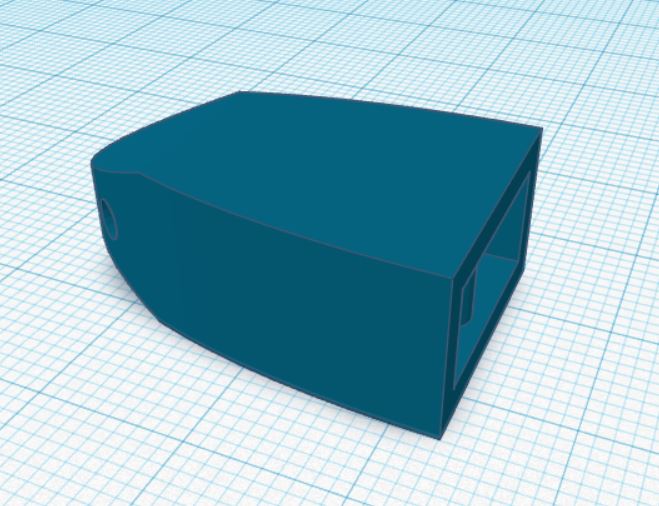
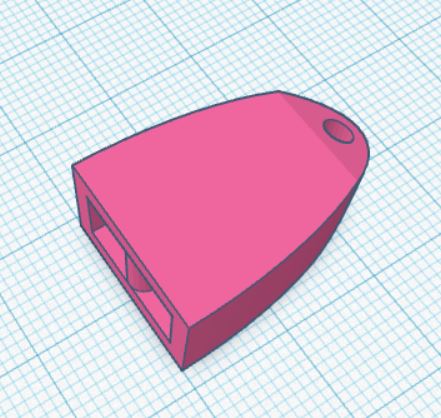
I haven’t used one in 15+years. Tonight I decided to make one, so I designed this one to be 3d printed:
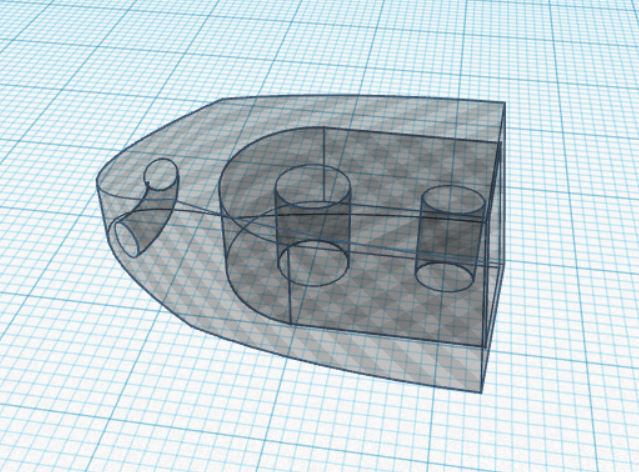
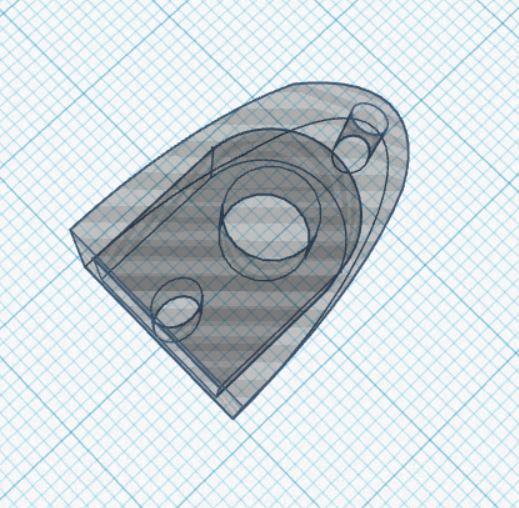
Here’s what the insides look like:
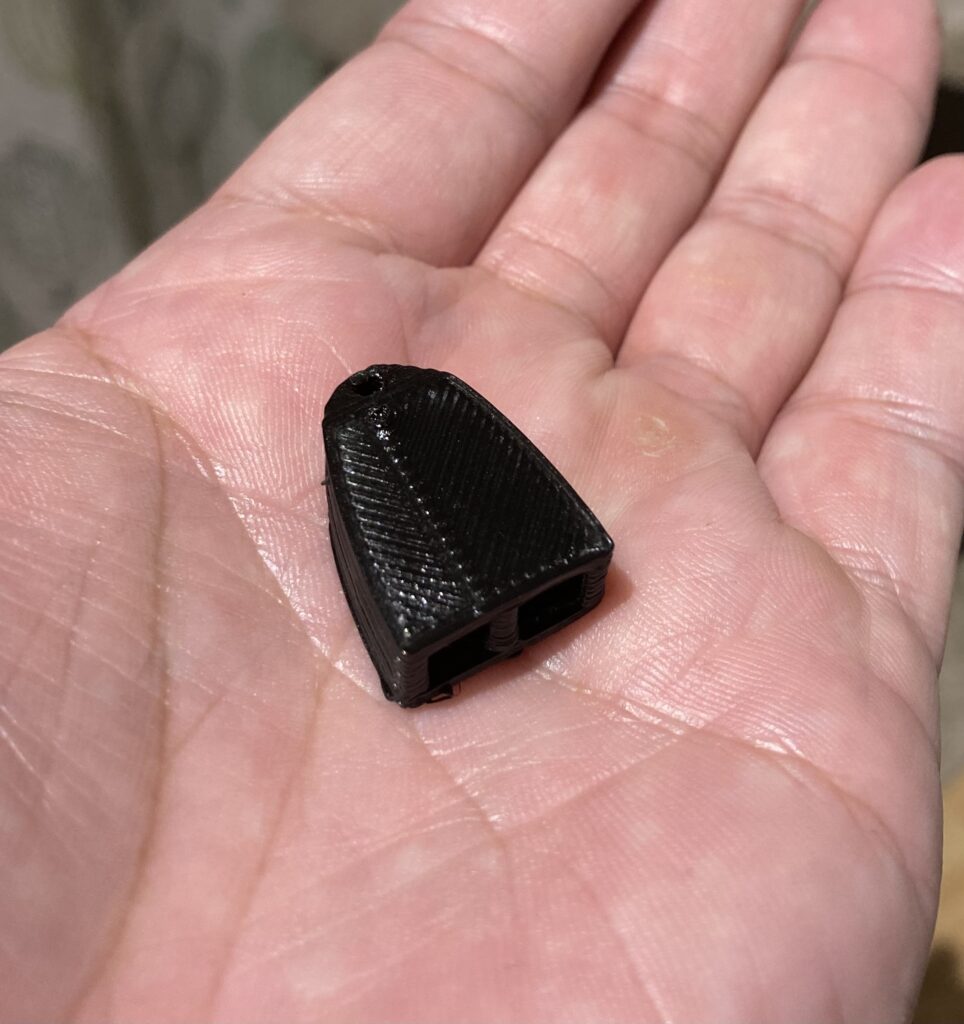
There’s not really too much to it, it was a simple design and a quick print. Here’s the printed version:
There are a couple of things I want to change after printing the first one. The big change is that I want it just a little bit larger, so that I can fit a bearing inside for the pulley.
I’ll do a new design later today and hopefully I’ll nail it the second time!