When you talk to people who are big on social media, they all tend to give similar advice: 1: Post consistantly 2: If something works, repeat that
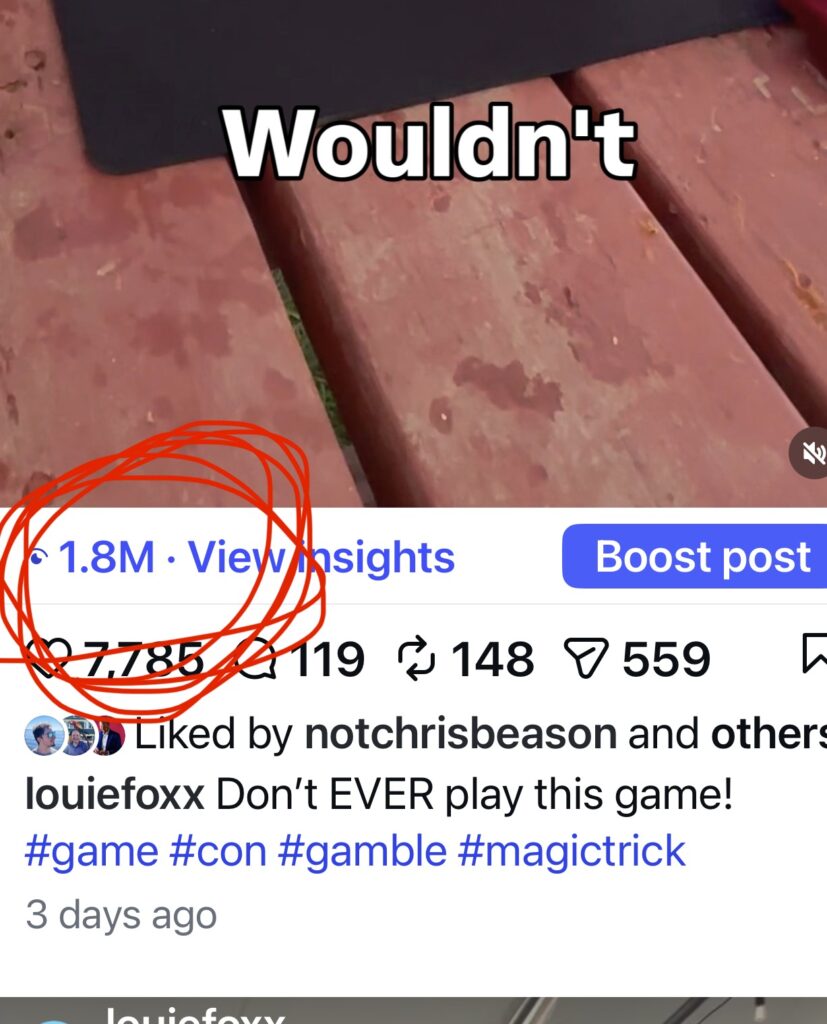
I’m not huge on social media; I really post stuff that I think is interesting. My average Instagram post right now is between 2k and 20k views. However, recently this one hit 300k views:
That is an outlier for me, so I went to the advice of repeating what you did. The video from above is part of my shell game routine, and I have more of the same clip that I could use, so I made a second one:
This one is sitting at just over 8k views. The formula worked spectacularly for the second video! I do have another phase or two from the original video, I might put them up to see what happens.
I guess I’m going to parrot the advice, that if something works, do it again and repeat until it stops working!
When a magic prop breaks, what is your plan? I’m not talking about if it breaks during a show, but while you’re on the road traveling. Recently, I got to a gig and was setting up, and the prop wasn’t working. It’s an electronic prop, and if you’ve read this blog, you know that I try to use analog methods whenever possible. However, there are times when an electronic prop is the best way to do it. I’ve planned what to do if they fail during the show.
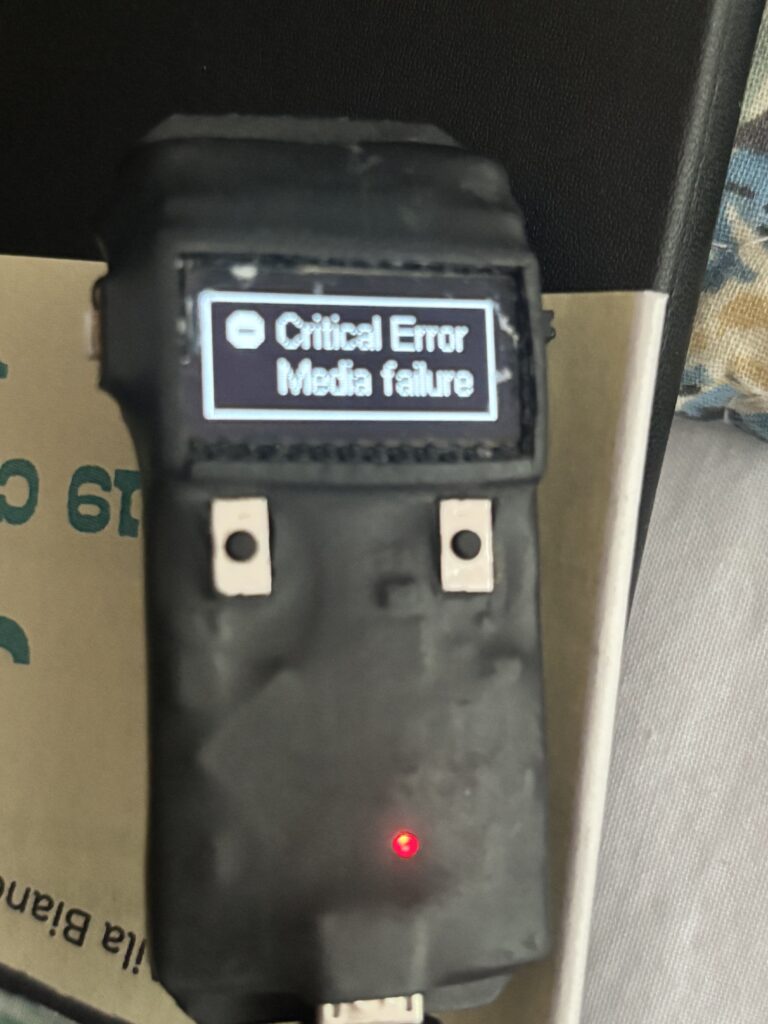
At the show recently, I was setting up and noticed that I had left my Inception unit on, so it needed to be charged. After charging it, I got this screen:
That’s not good. That’s where my backup plan kicks in. I have a Blackbox Magic Mental Voice in my case. This is my emergency backup unit, as my routine is an 8 minute chunk of my show, so a large part of the show.
I’ve had the Inception since it came out; I was part of the preorder, so I’ve had this for a long time! I sent it back for a repair once because I managed to crack the screen. I have a feeling that it may be time to buy a new unit. This one has served me well for YEARS! I’ve contacted ProMystic’s customer support, so we’ll see what my options are for repair. They do a good job supporting their product after the sale, unlike many magic companies!
One of the things that I try to do when creating magic routines is to think about what they look like. This is important when you perform at places like state and county fairs, where you have a transient audience. Having strong visual hooks that will stop someone that’s walking by is important in that market.
Here’s an example of a visual hook, it’s part of my Body Language Book Test which is in my 2025 PCAM Lecture notes.
In the routine, a guy ends up hitting me in the belly with a tube. It’s a great bit, but more importantly, the routine is visually interesting virtually the whole time!
Three Easy Way To Adding Visual Appeal To Magic Routines
Here are three common, and easy ways to add visuals to magic routines: 1: Props – If you have an interesting prop, that is obviously visually interesting, and of course, the bigger the better! People need to see it from a distance, or they won’t stop. 2: People – More people onstage can create drama. You’ve changed your show from monologue to dialogue. 3: Action – Having motion onstage makes people stop to watch. A bad dance troupe will having an easier time getting a crowd than an amazing stand up comedian.
Ultimately, most things will use more than one of the things above to draw attention.
Also keep in mind that not every single routine needs to be a giant thing, for texture in your show, you should vary things. A great example is Franz Harary in one of his MEGA illusion shows also does silk to egg.
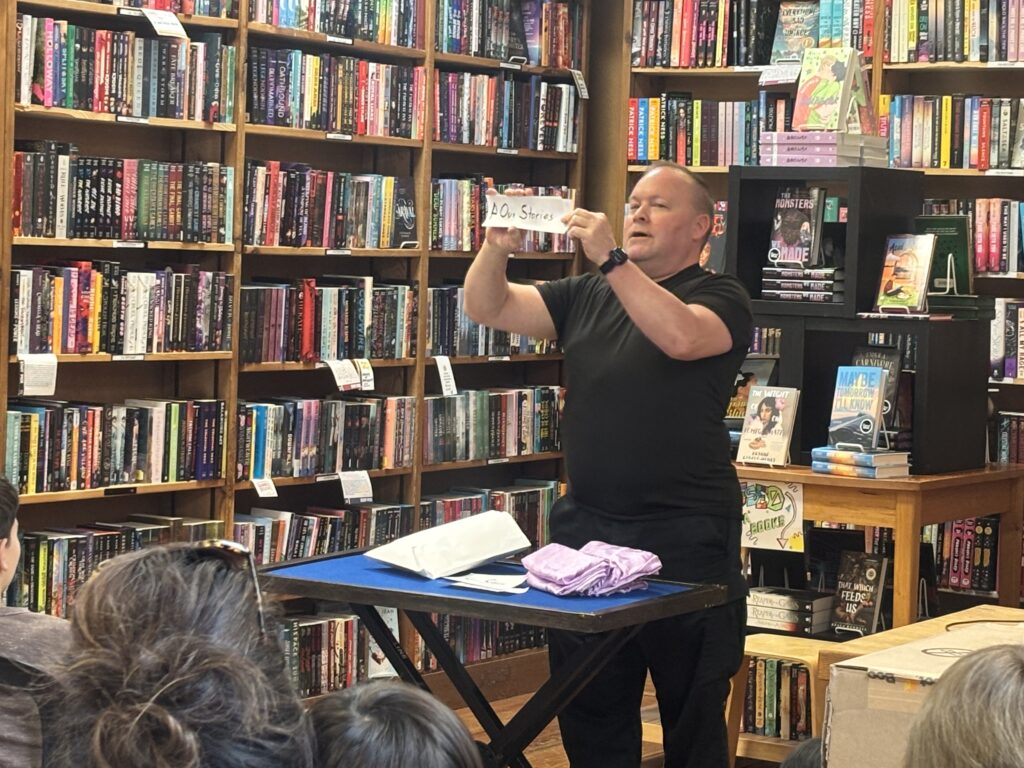
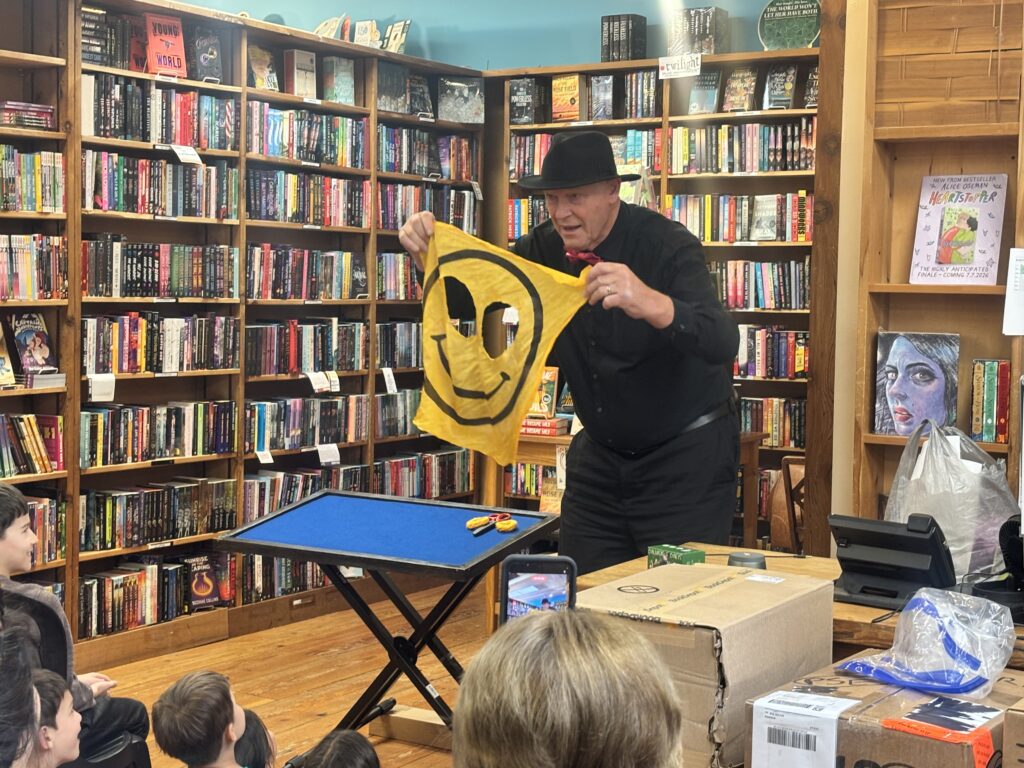
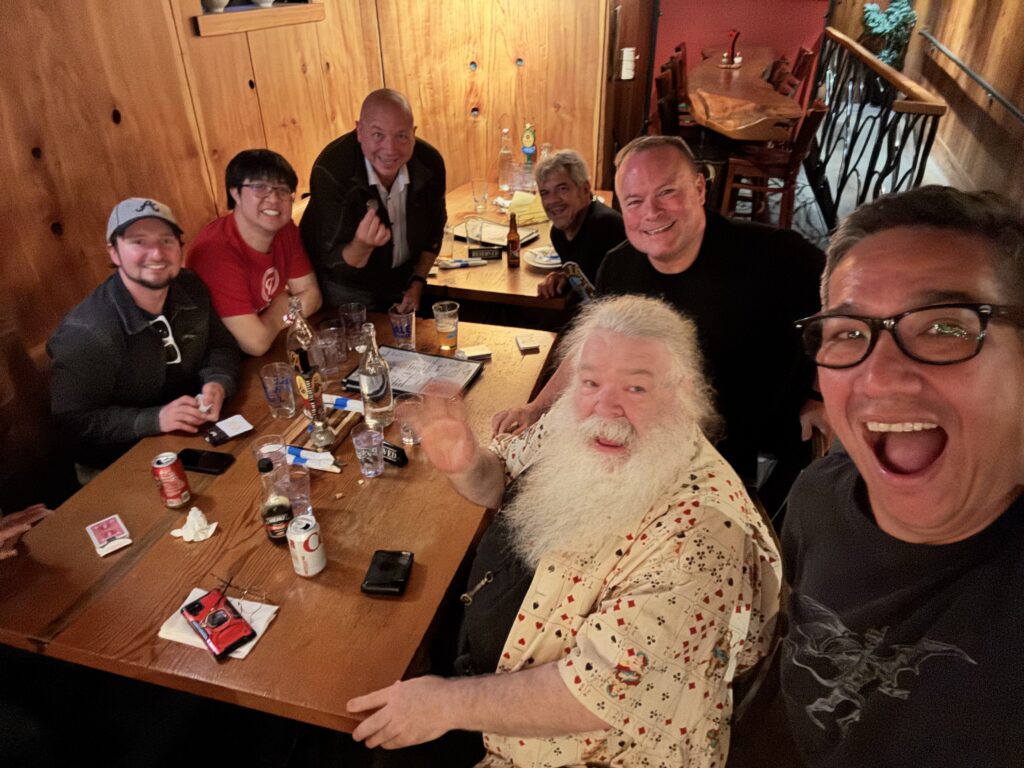
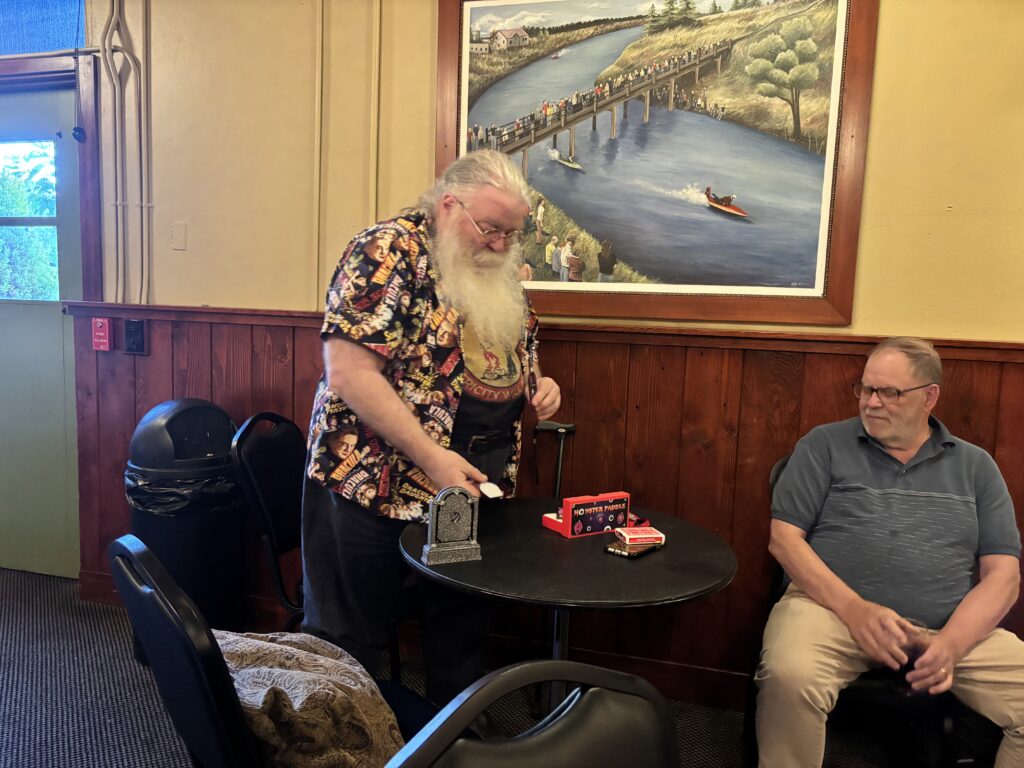
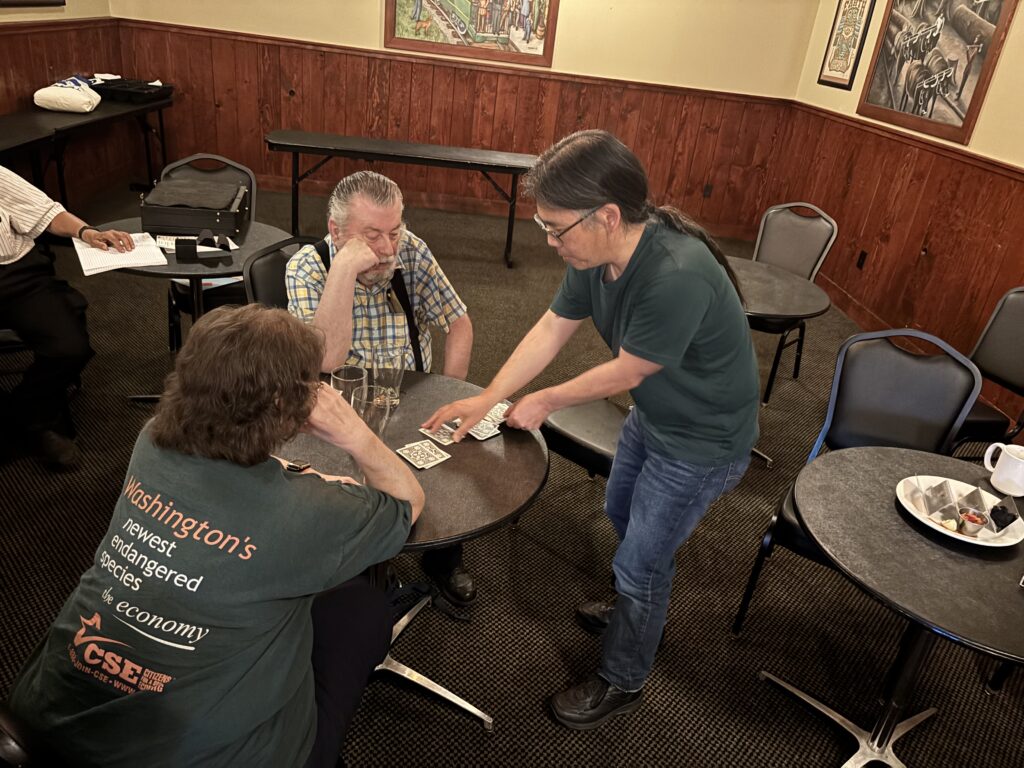
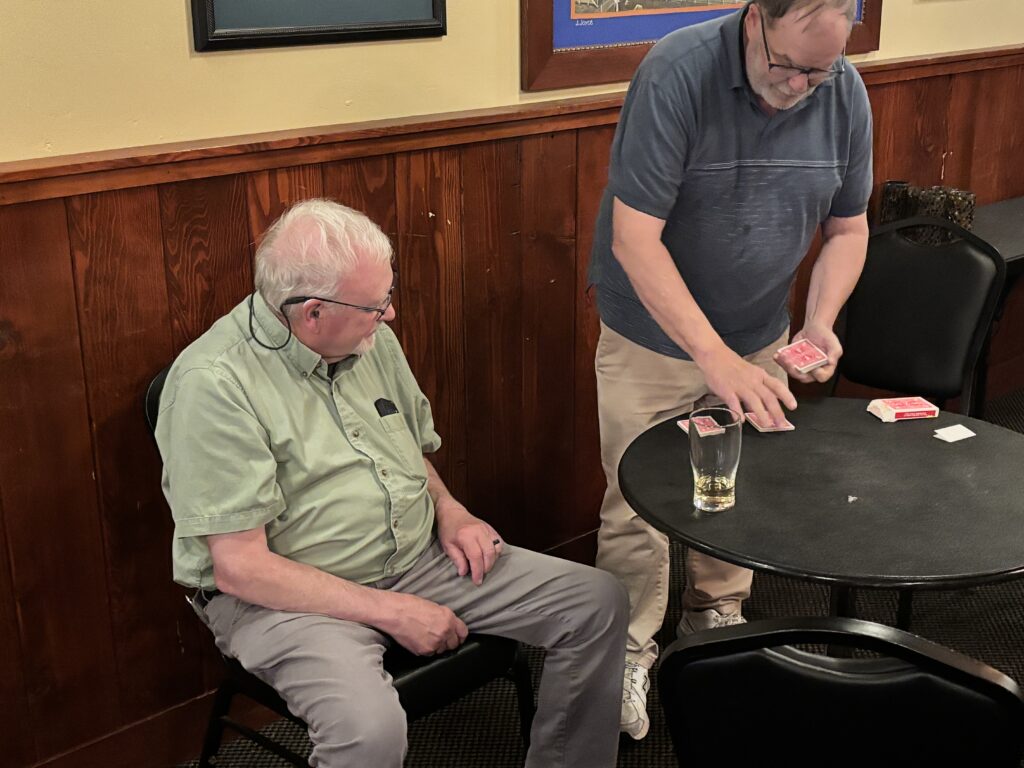
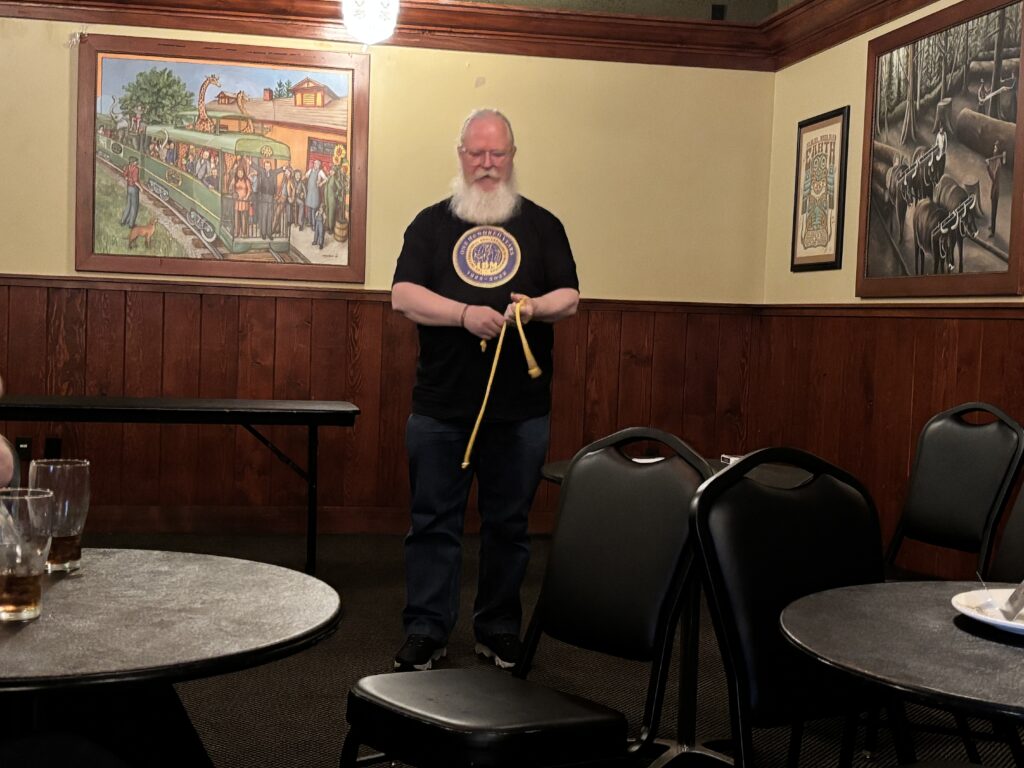
On Monday I popped by Magic Monday in Seattle. This monthly magic show has been running for over twenty years! The show is currently run by Jim Earnshaw, and it usually features 3-5 magicians each month. Then in August, they do magic show that’s all young magicians performing.
This week it was Jim Earnshaw, Sven “The World’s Tallest Magician”, Monty Reed, Me and Master Payne.
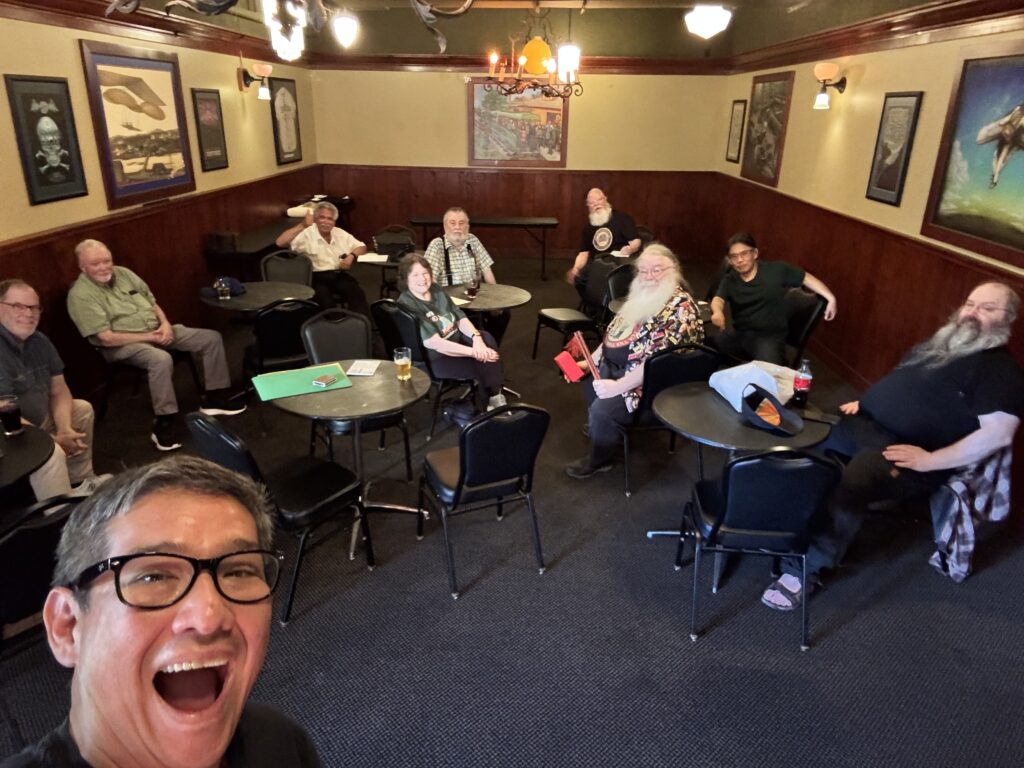
This is a fun show to do because it’s a fun hangout…and because it’s a fun crowd! Here’s a table of magicians in the back watching the show:
Then after the show we go downstairs to pub and hang out.
Whenever I’m in Seattle and this show is happening, I always pop by!
He’s popping up everywhere, and that got me thinking, what magic trick could I do with him.
A Simple First Step To Creating Magic Tricks
The easiest way to create a magic trick quickly is to find the theme, in this case Jimothy and figure out what to do with it. I’m travelling right now, so I’m limited with props, which can be a good thing when trying to create something new. I did have some blank face playing cards, so that gave me a start, it’ll be a card trick, with a picture of Jimothy.
My idea was to do an ace assembly type trick, with Jimothy and things raccoons eat. The challenge was that I didn’t have enough blank face cards to do it in the traditional way with 16 cards. I think this was a good thing, because most ace assemblies are too long and redundant, but you kinda need to have three “traveler” piles because there are four aces. I didn’t have that restraint for this trick.
Magic clubs are a great way to speed up learning magic, because you can ask questions, get answers, and see things that you can’t over the internet.
When I was a kid getting seriously into magic, the local magic club was a HUGE resource for me and really helped me grow, being able to see things performed with my own eyes! It helped me learn what styles of performing magic I liked and didn’t like. That’s something that’s hard to do if you want to do a long form, in person show by just watching internet videos.
In my children’s show, I use a mouth coil as the end of my ball manipulation sequence. I use the mouth coil as a production coil, so I don’t use the double loop ones like the David Cressey Mouth Coils, but the ones that are just a coil of paper. The ones I’ve used for years (decades?) are the Bazar de Magia mouth coils.
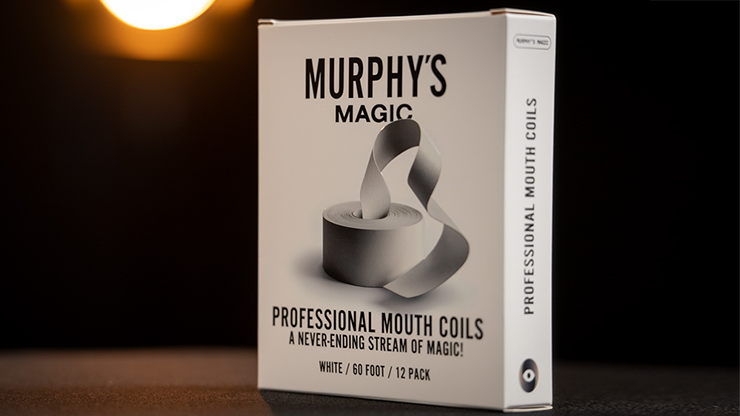
Recently I noticed that Murphy’s Magic is now making them called Professional Mouth Coils. I was running low on the ones I normally use, so I decided to give the Murphy’s Magic ones a try.
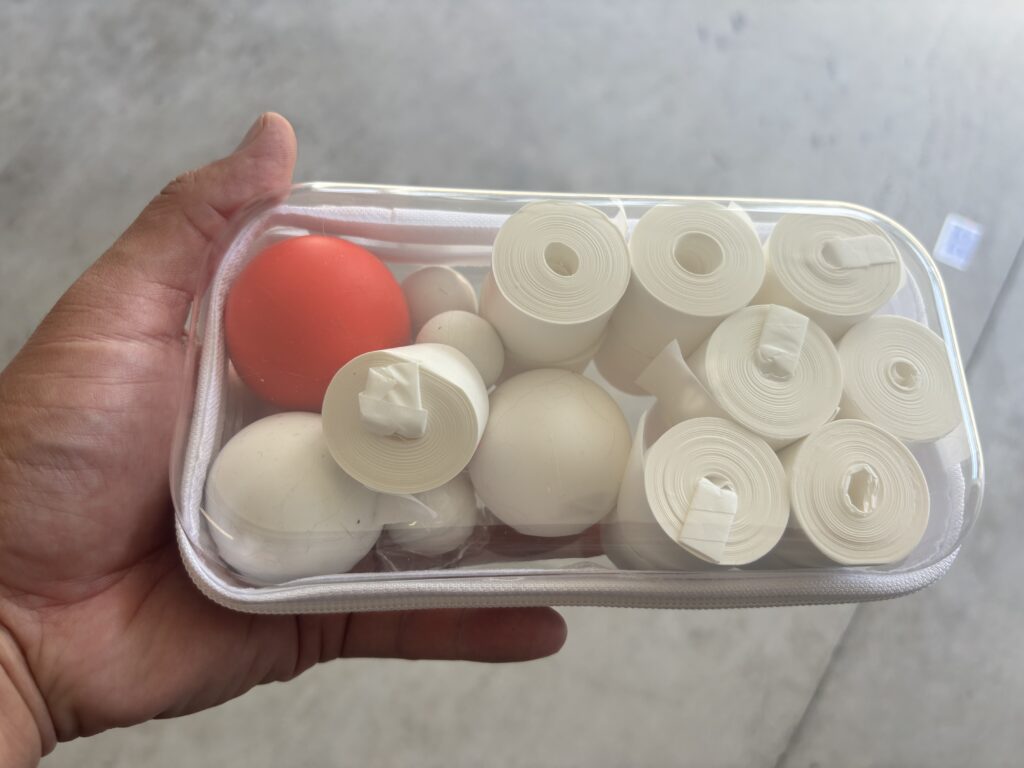
The coils look the same when coiled up, there is a slight texture difference that I can see. The picture below shows both of them inside of the case:
The main difference is that the Murphy’s ones are made from thinner paper than the Bazar de Magia ones. The Murphy’s are also ten feet longer, but both coils are pretty much the same size.
For me, the uncoiling action of the Bazar de Magia mouth coils works better. When the ball turns into the coil in my routine, I start by pulling on the end one long pull, then let gravity do its thing as my other hand catches it. I don’t let it fall on the floor. The main reason is that if kids are sitting on the floor, anyone not in the front row won’t be able to see the coil as it piles up. I think the Murphy’s mouth coils, being a lighter paper, don’t pull themselves out of the coil as well as the Bazar de Magia ones, which makes my catching hand have to do a lot more pulling initially.
For me, and how I use the mouth coils, the Bazar de Magia ones are the winner! They work better as a production coil in my hand. The Murphy’s mouth coils still work fine, but if I have a choice, I’ll grab the Bazar de Magia ones. If you produce them from your mouth, you may be looking for different characteristics than I am.
-Louie PS: The first half of my ball routine is called Sankey’s Balls and in my lecture notes 2 pack. That part is my version of Balls In Net, which doesn’t use a net. The second half of my routine that uses the mouth coil is unpublished, but basically Percy Abbott’s Perpetual Balls with a couple of surprises thrown in.
One of the things that I think is interesting is how different magicians keep their props in their prop cases. I’m not referring to how they are in the case when set for the show, but for traveling in between shows.
Years ago, I heard about how Billy McComb had a different Ziploc bag for each routine.
A Better System for Storing Magic Tricks
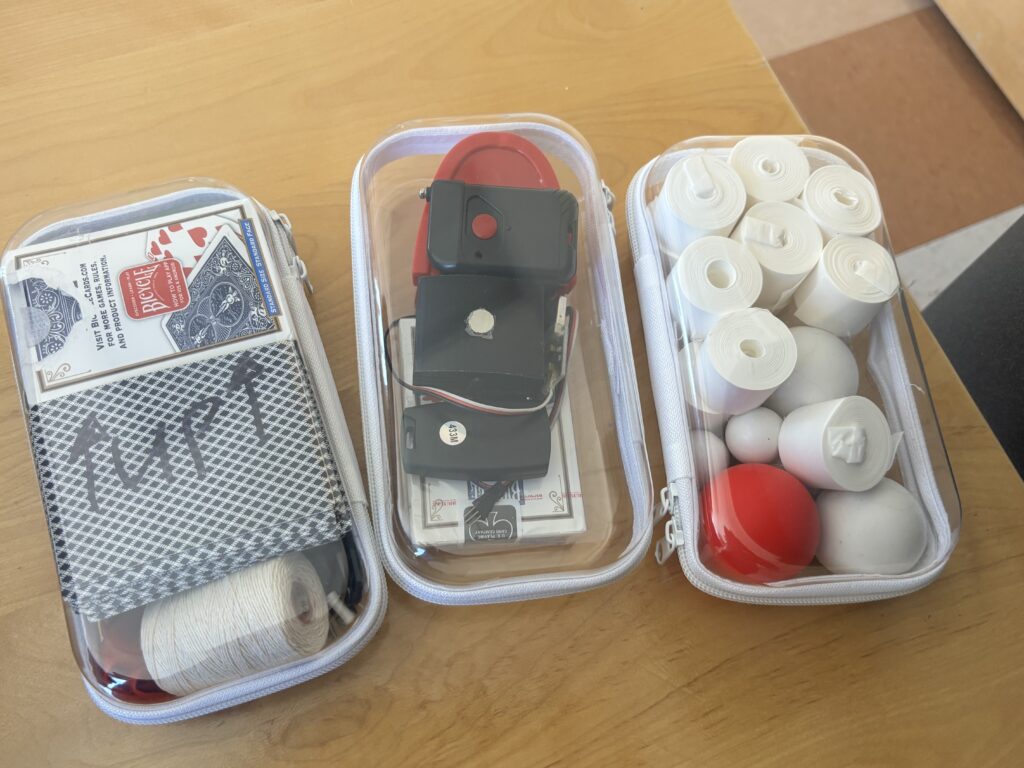
I’ve used Ziploc bags, but recently found these hard sided cases. I think they’re sold as make up cases.
I bought them as a prop for a routine idea that I have, but realized the other day that they’d be perfect for travelling with props. They’ll protect the props a little bit, but I can see into them, so I know exactly what’s in each case.
I just did my first week with these, and I’m really liking them. The next thing will be to make a list of what goes into each box and write it on the box.
This is an idea for a “chair test” or “color match” sort of effect. You have four boxes, each with a different colored interior. Then you have four cards with a different color. The cards are mixed up and one is put face down in each box. The colors match the interior of the box they were set in!
That’s a simple and direct method that’s 100% surefire!
I think if I were going to do this trick, I would have one more card than I have boxes. That would make opening the last box a bit more dramatic as there could be a failure at that point, instead of it being a known result.
Last week I finished reading Card Man Stuff by Al Leech and this week I started reading another card magic book by Al Leech called Super Card Man Stuff. This book is pretty good. I’m about halfway through it, and while I don’t think it’s as good as Card Man Stuff, it’s still pretty good and a worthwhile read.
Here’s a Card Trick I Love!
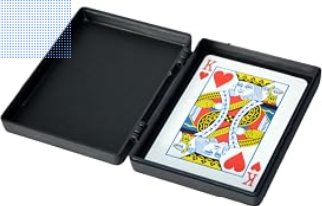
In the book, there’s a gag that’s essentially an impromptu novelty card, like the ones that came in a FAKO deck. Here’s what it looks like:
I think this is a great trick (gag) to have in your brain for emergencies. I can see many opportunities where knowing this and having it in your mental toolbox, ready to be used, would be helpful!
Many times knowing little bits like these have bailed me out of situations or enhanced them!