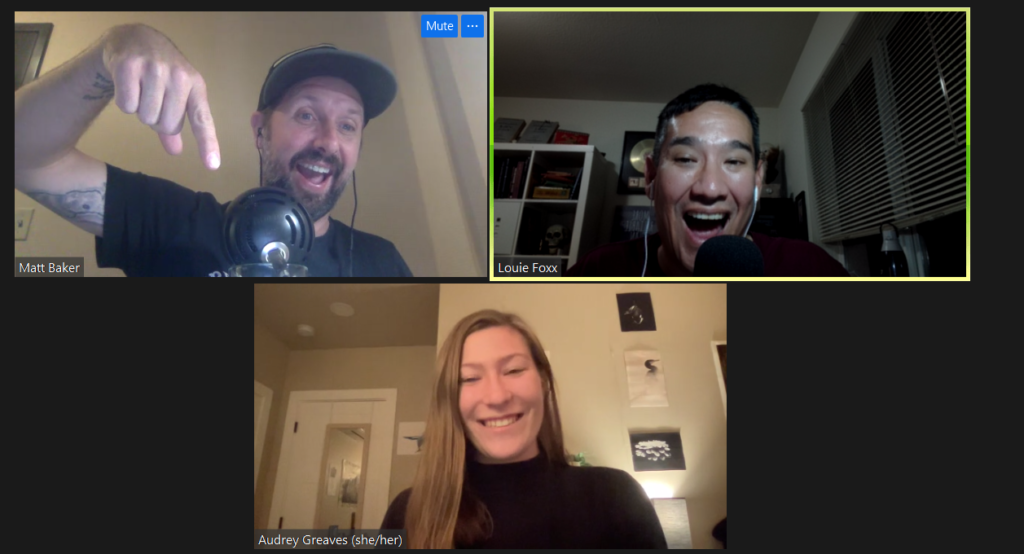
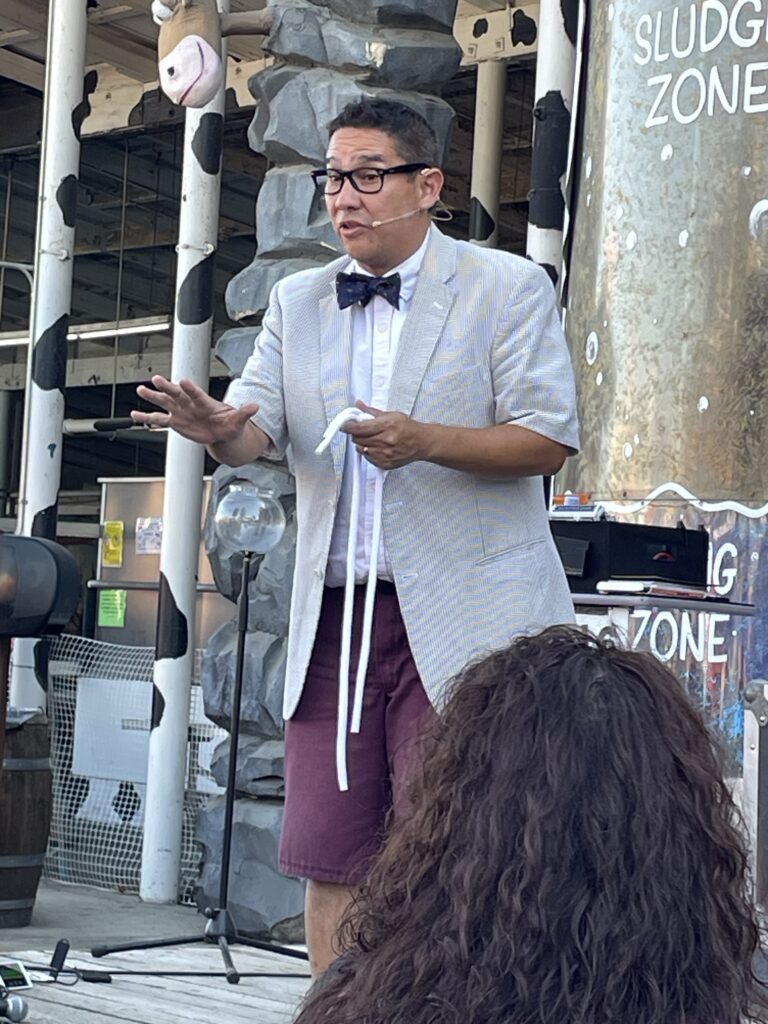
On this episode we welcome in bounce juggler Audrey Greaves. We discuss how she discovered the circus and how her parents figured out how to get her involved in it at a young age.
She explains to us what bounce juggling is and how she decided that was something she wanted to devote her time on. We discuss what you do when you mess up on stage and how her performance at the Moisture Festival Gala went. A really fun conversation with an amazing bounce juggler!
When I was in Mexico there were a lot of “ambient” street shows. Those are shows like a guitar player that you walk by, maybe watch for a song, and then move along. There were very few “circle” street shows that were longer presentations that built a crowd.
There’s a lot that goes into a circle show, like getting people to stop, uniting those people into an audience and getting them to commit to watching the whole thing.
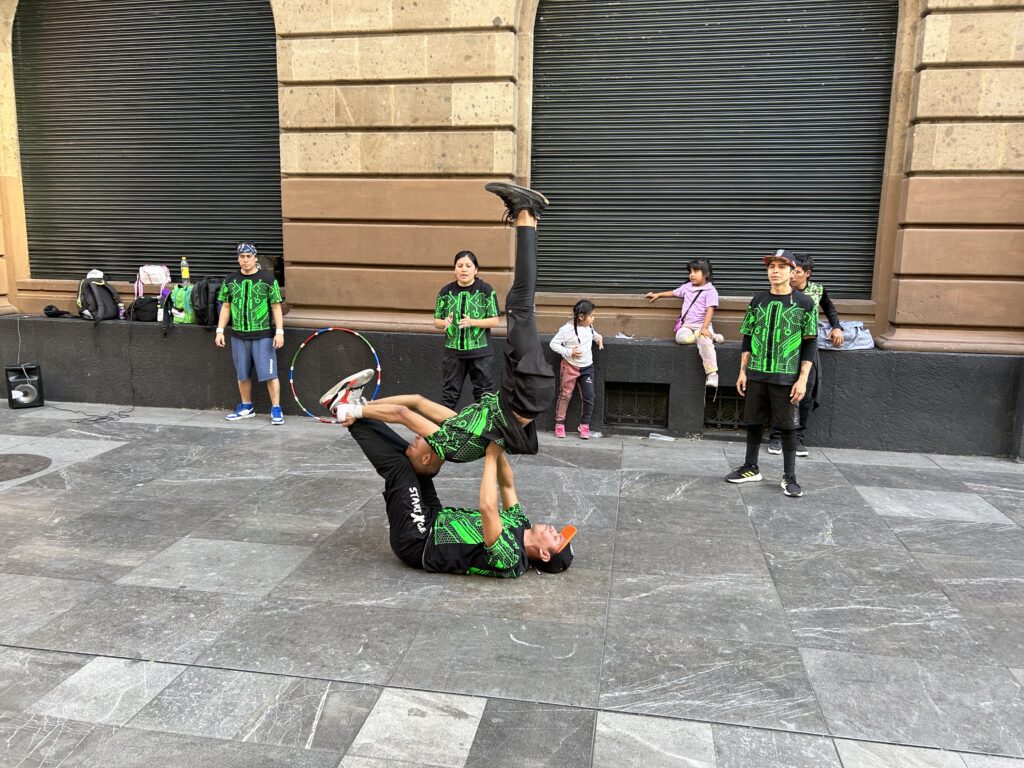
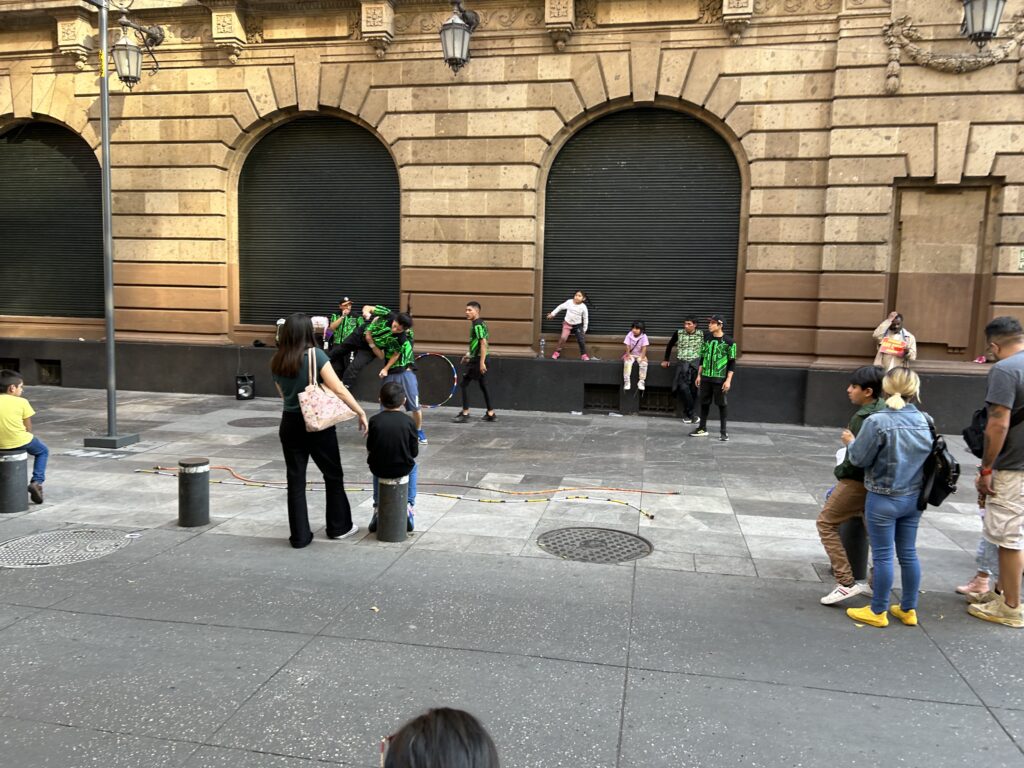
One of the few circle shows that I saw in Mexico City was a dance/acrobalance group.
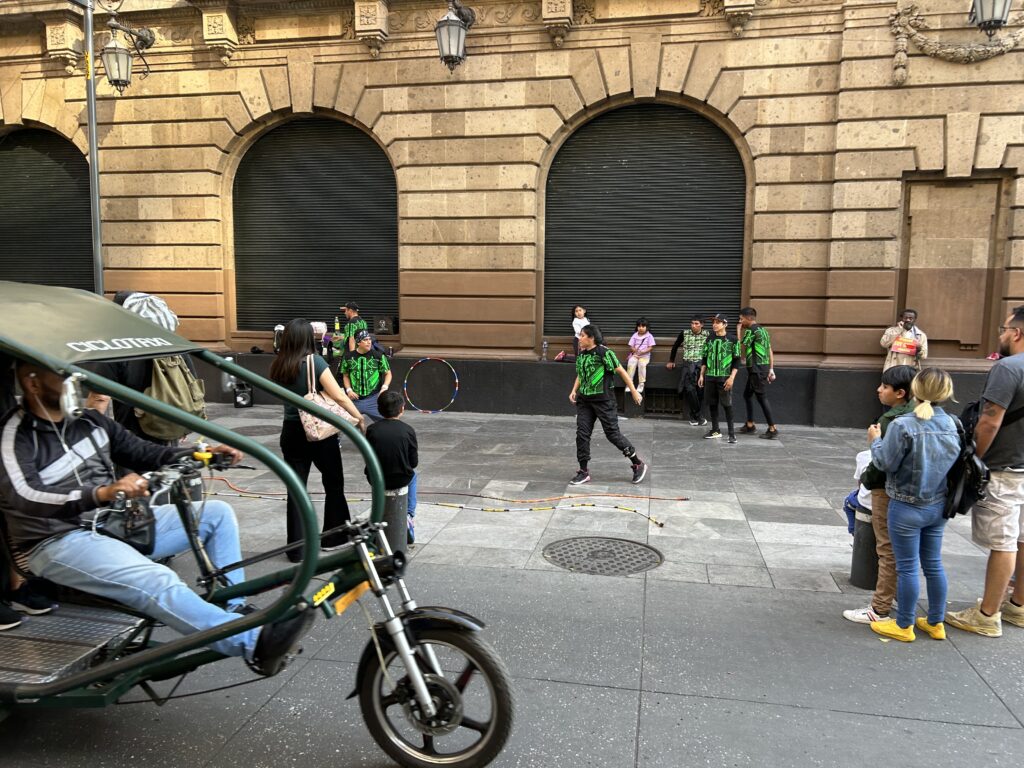
The challenge with the spot that they picked was that right in front of their performing area was a road. I understand that they needed a larger footprint for their show, so they were pretty limited to locations and they fit in this one.
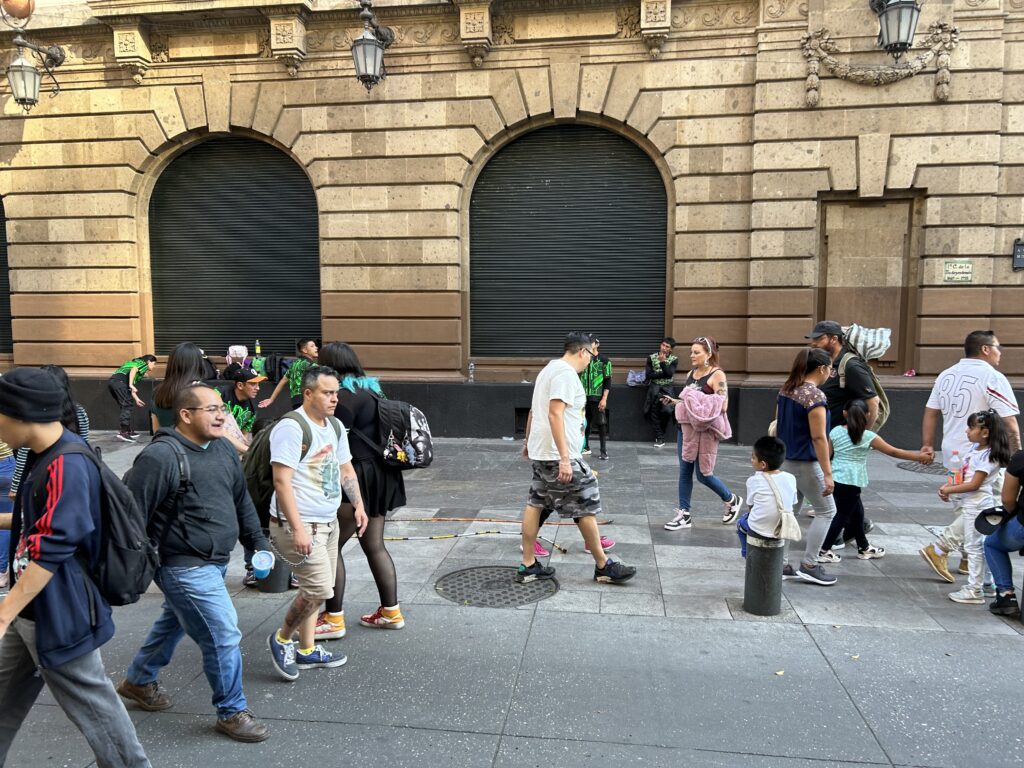
The active street meant they could build maybe one row between them and the street. Then the second row of people would be across the street. I’m going to bet you’re not surprised that no one really watched from across the street.
Ultimately with the challenges of this location, they only managed to pull a handful of people into their crowd.
They were doing some cool stunts, but this is a good example of where soo much more goes into street performing than simply having a good show!
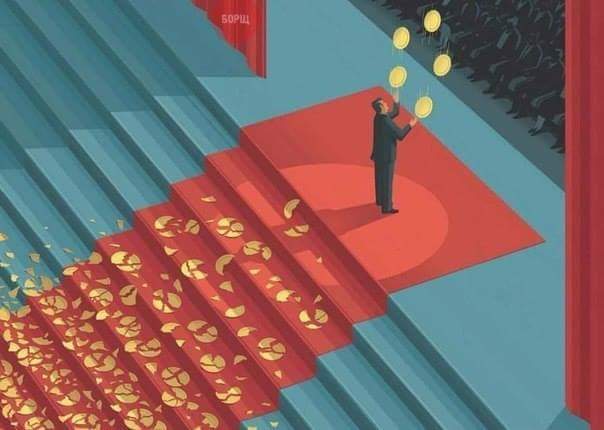
There’s the meme that shows a plate juggler performing for the audience and the audience isn’t aware of how many plates were broken to get that the point they are seeing.
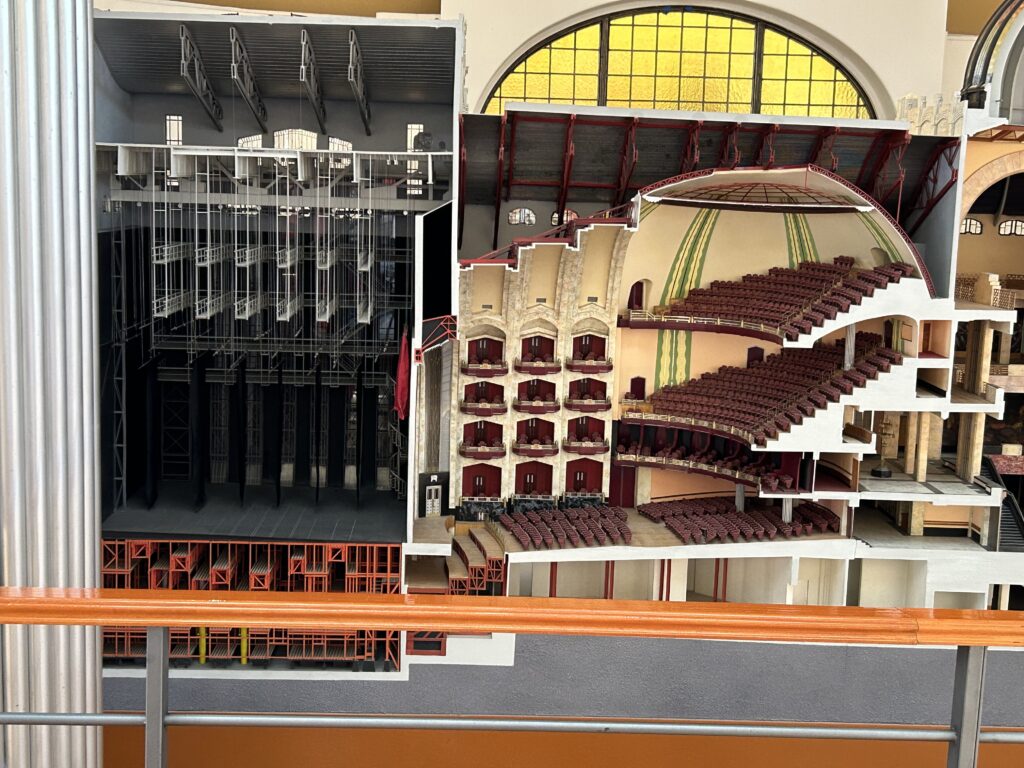
When I was in Mexico City one of the large venues has a cutaway model of their stage and it reminded me of the plate juggler meme. There’s soo much that that audience is unaware of, they only see a small sliver of it.
If you look at it, such a small percentage venue is what the audience sees. It’s kinda crazy, especially for someone like them that’s basically a “curtain act” that doesn’t need the full depth of the stage! The space I would use is equivalent to about 2 or 3 rows of the audience’s seats! The audience never really thinks about how little of the bigger picture they see!
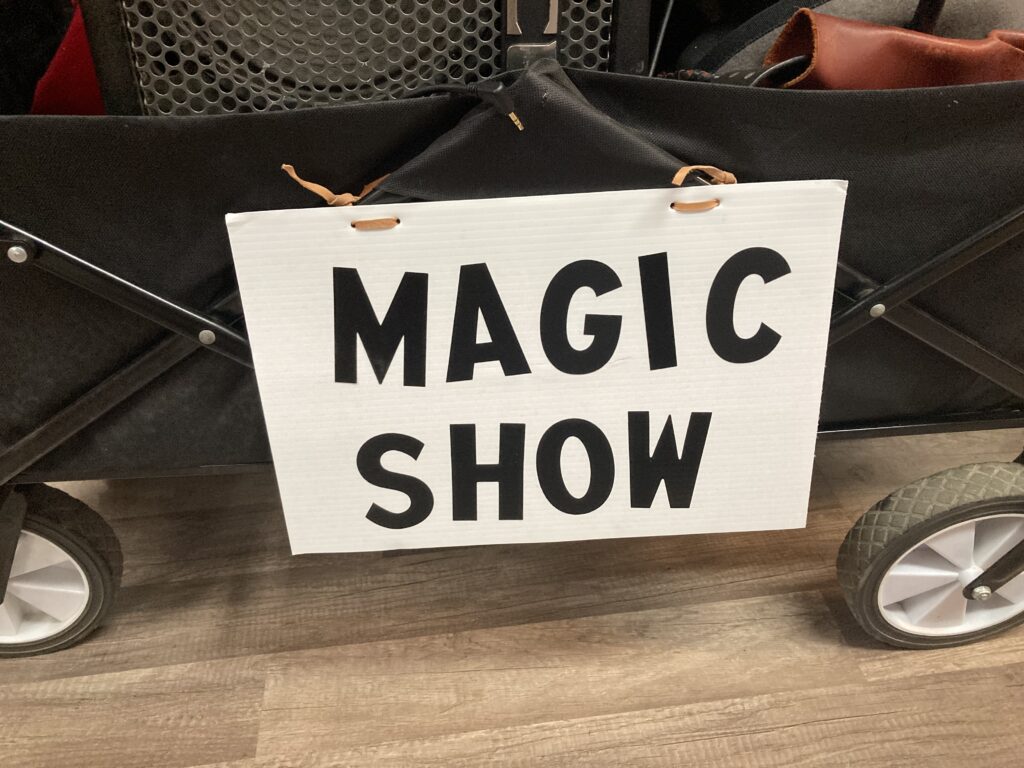
The book To Lure With Spectacle by Jimmy Talksalot is fantastic! One of the pieces of advice that I fought for a long time was to make a simple sign that says, “Magic Show”. I finally did it a month or so ago.
It’s crazy the difference that little sign has made. It helps build a crowd before I’ve started. Sometimes the simplest things make a big difference! Also go out and buy his book.
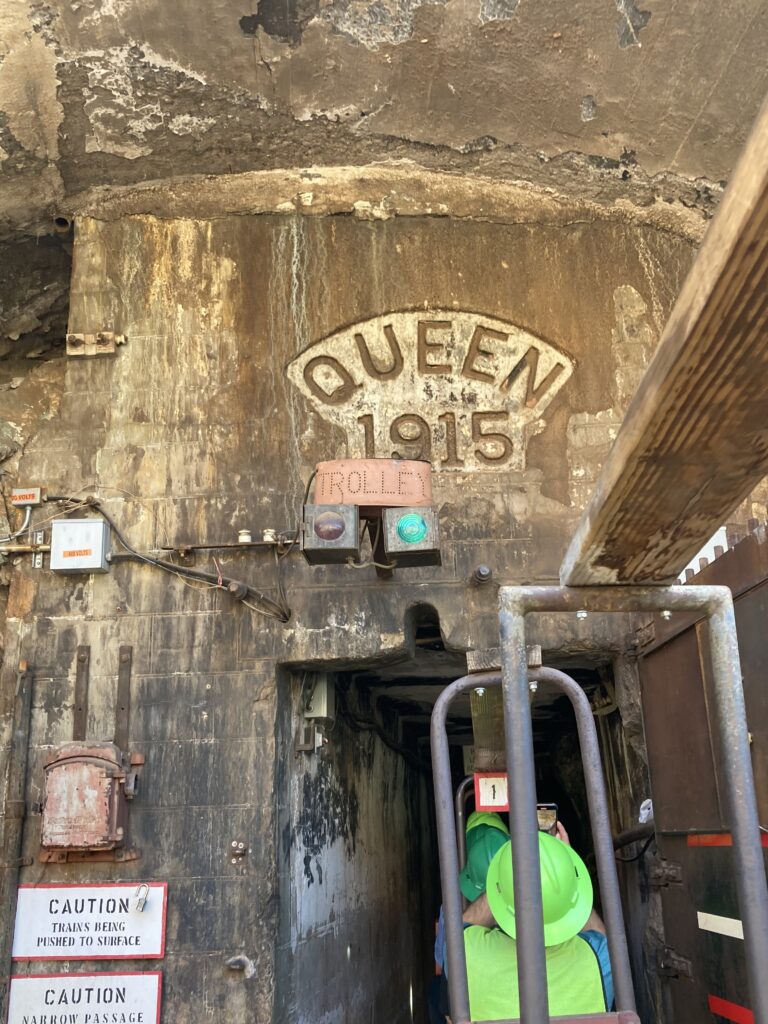
About a week ago when I was performing in Southern Arizona I went on the Queen Mine Tour in Bisbee, AZ. This is a decommissioned mine that is not a tourist attraction.
My tour guide was a Neale who worked in the mine in the 1970’s. One of the things that struck me was the amount of “stock lines” that he used that are very common with magicians. This should be a wake up call to magicians who use these lines to stop using them. If a retired miner is using lines you use in your show, you should probably cut them and write new lines.
One of the lines he used was at the end was, “If you liked the tour my name is Neale, if you didn’t my name is ______”. I’ve never liked this line when magicians use it. There are two reasons that I dislike it. The first is while it is in a joke, you are implying that the audience may not like your show, and that’s the last impression you give them, not a thank you for spending time with me or something more meaningful. The other reason is that you are leaving your audience on someone else’s name, you should leave on your name!
That’s all, go out there and be better than a retired miner!
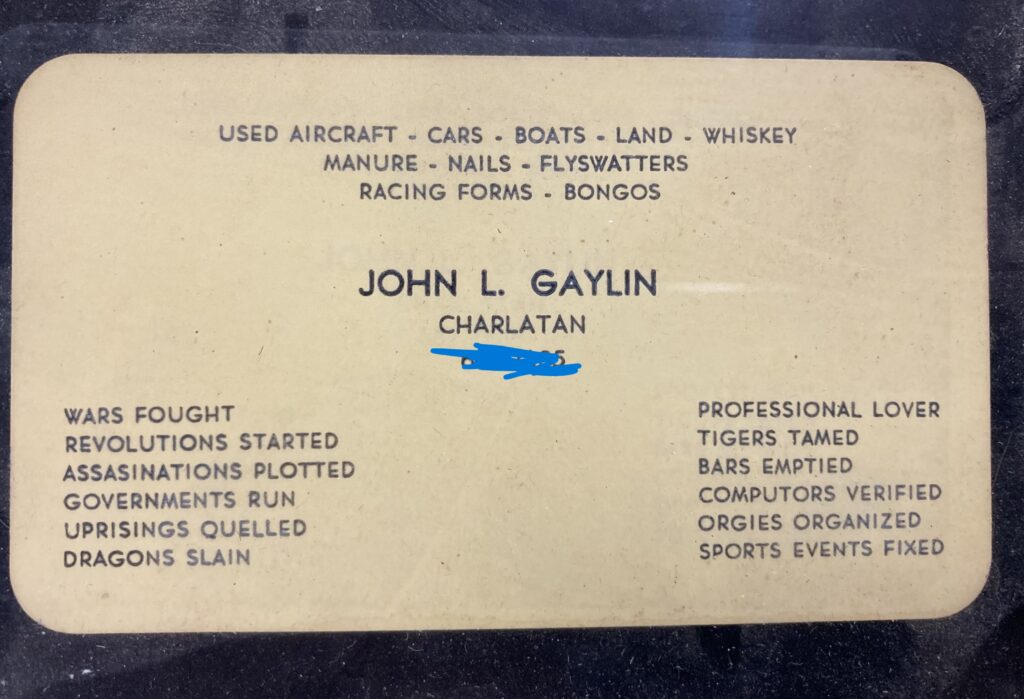
Awhile ago I came across this business card in a box of old magic stuff:
It’s a fun card, especially since it’s old! Looks like area codes became a think in the early 1950’s and this card’s lack of an area code makes me think it’s probably from before the late 1960’s.
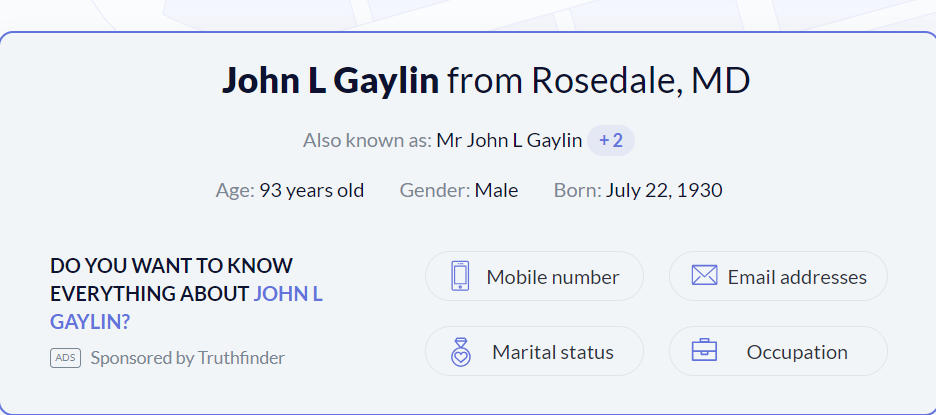
A google search only turned up a generic listing, but confirmed by the phone number that it’s the same person.
I passively collect salt pour gimmicks. I think they look interesting and display well for a magic gimmick in my collection. I’ve had the salt pour in my show a couple of times. It’s been in themed shows, but never in my main show. It’s a trick I keep coming back to, but it’s missing something to make it work in my main show.
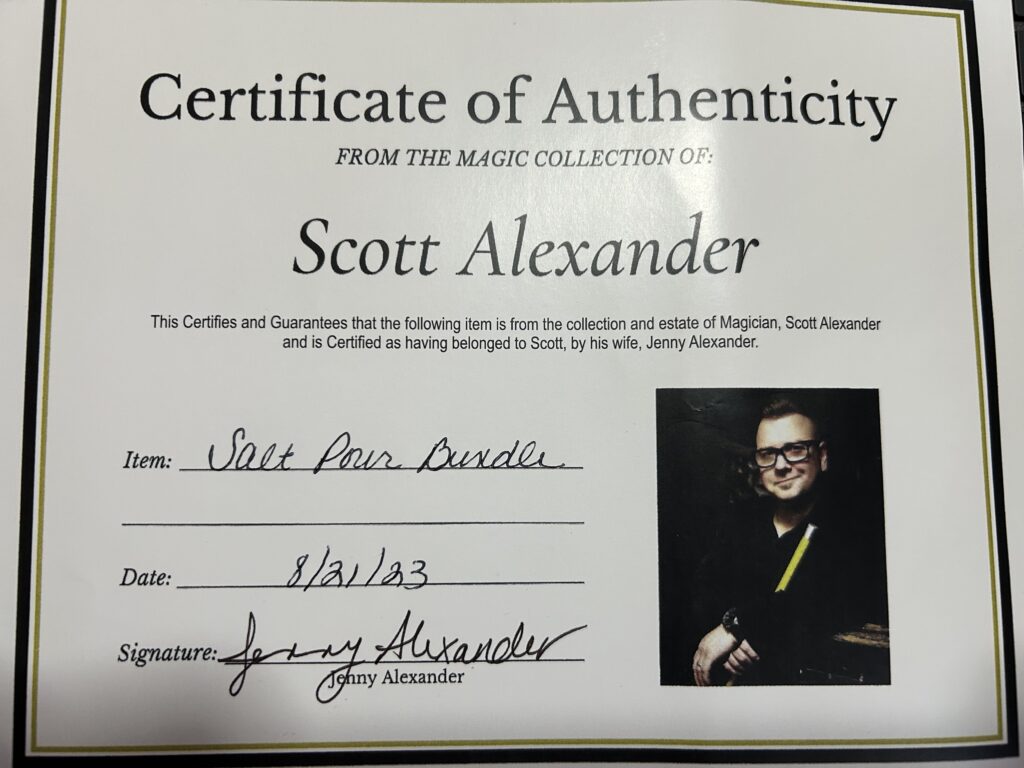
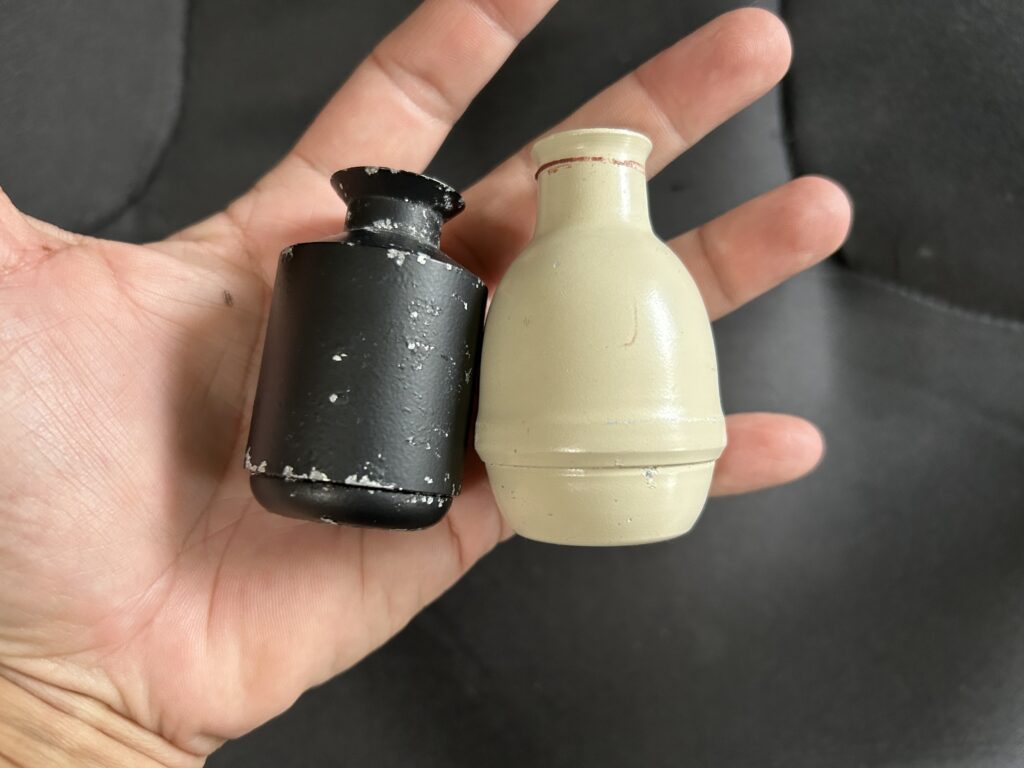
Ok, back to the gimmicks. A while ago I bought some salt pour gimmicks to add to my collection. I recently bought a bundle of salt pour gimmicks from Scott Alexander’s estate.
The first two I was able to identify. The one on the right is the older style salt pour gimmick that Jim Riser made. The black one on the left is the Bob Kohler salt pour. This is a new one to me, took a bit of work to figure out who made it.
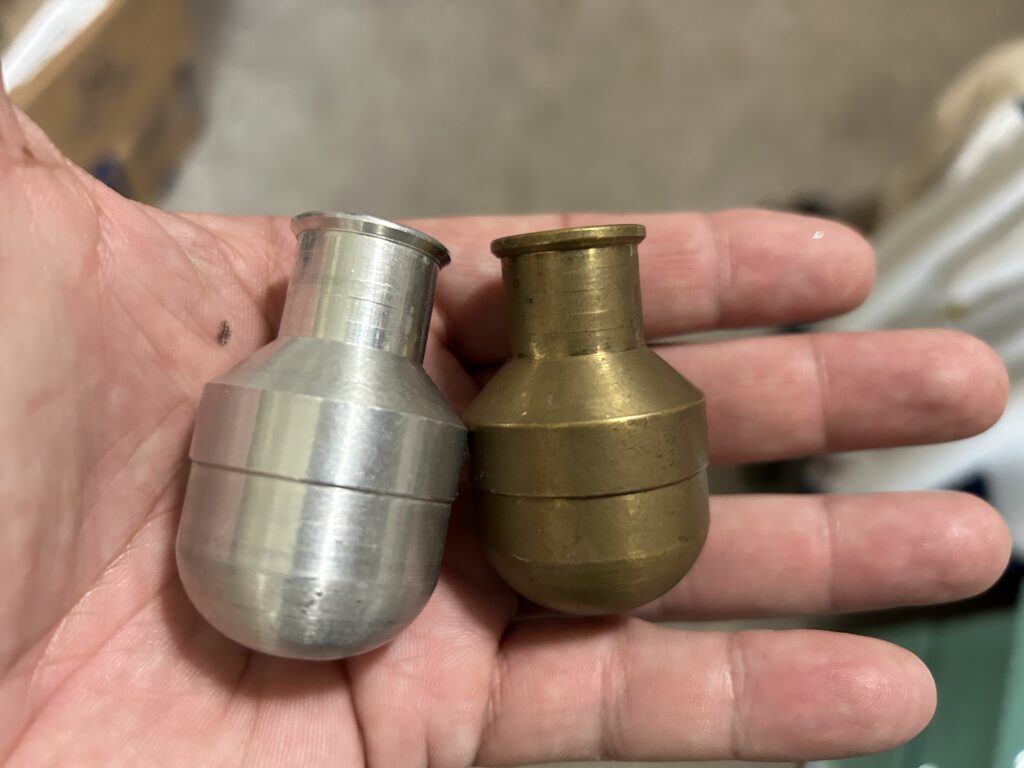
Then I got these two salt pour gimmicks:
I haven’t been able to identify who made them, if you have any idea, let me know!
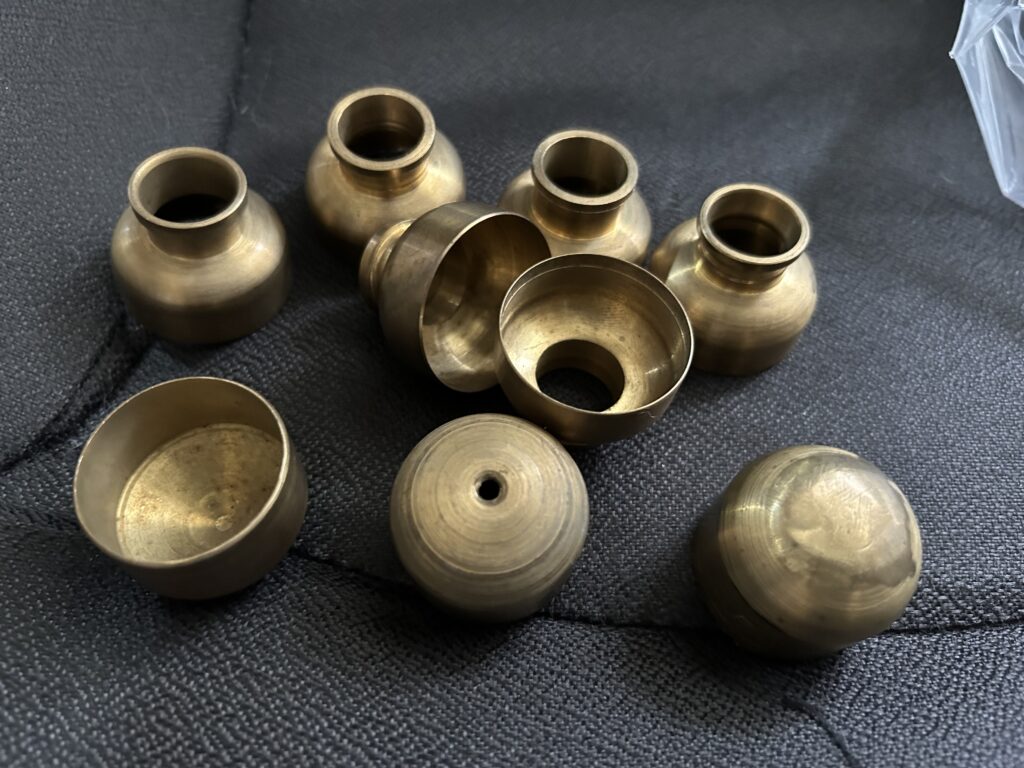
And finally I got a bunch of parts to make salt pour gimmicks:
These parts appear to be trying to replicate the two unidentified gimmicks above. The main difference is these have a shorter neck. I’m not sure what I’m going to do with the parts, maybe I’ll have them assembled…or just one and display it with the parts???
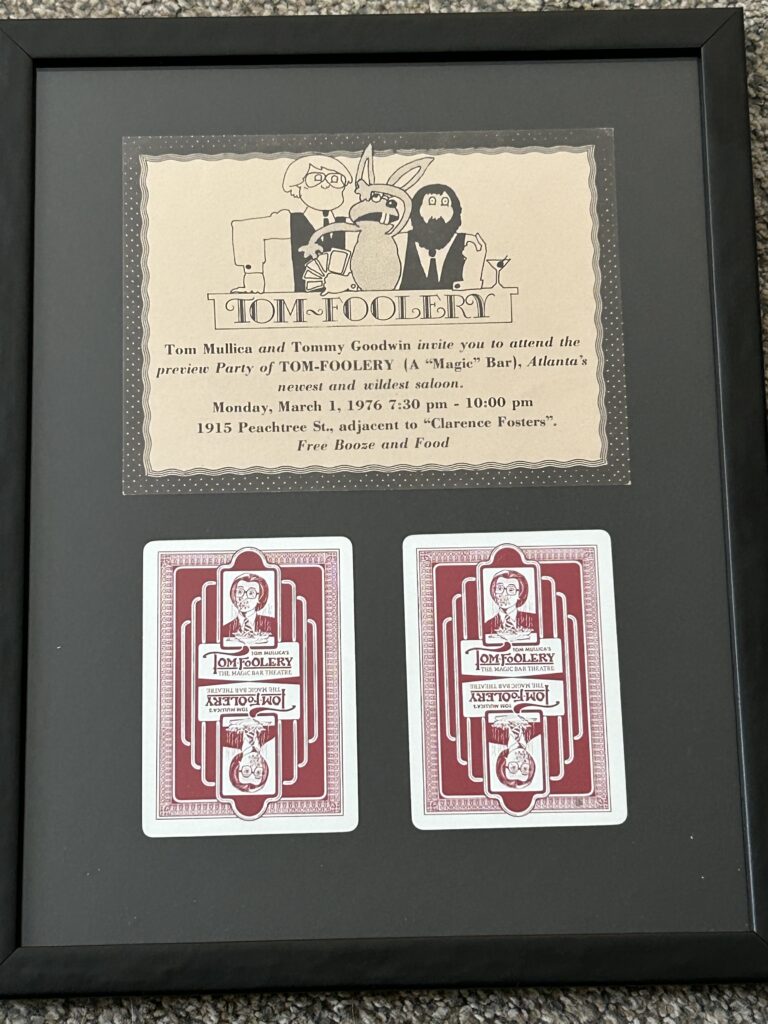
I’m a big fan of Tom Mullica a while ago I came across an invitation to the opening of the Tom Foolery bar in Atlanta. Then recently I found a handful of Tom Foolery playing cards, so I went out and had them framed together.
This is a cool bit of magic memorabilia that I’m happy to have displayed in my office! -Louie
One of the tricks that I’ve been working on this month is Four Nightmares, which is a rope trick.
Here’s the rope routine that I’m doing:
-Show long and short rope I have a long piece of rope and a….Albino worm. I’ll do four tricks, and I’ve given each a cool name. -Ropes become the same size I call this the equalizer! I had a lady tell me she didn’t like that because it made her feel stupid. -tie the two equal ropes together If you don’t know how a trick works, that means I’m doing my job. I don’t understand how an airplane flies, but when we land I clap for the pilot! -move knot to one side of the rope, untie it to reveal the short rope I call trick number two, the de-wormer! -put away the small rope. Trick number three… -tie the double knot a double knot… -slide the knot off the rope to reveal the circle of rope I call that OOhhh whaaat?! -put the loop onto the rope Trick number four, I call it…the end -reveal the loop become part of the single rope
This particular trick is doing a trick for the sake of doing a magic trick. There’s not really anything about me, my life or a point of view in the trick. I think that sometimes you need that stuff in the show, just a fun trick.
This routine is still in its very early stages for me, so we’ll see what happens with it in the future.
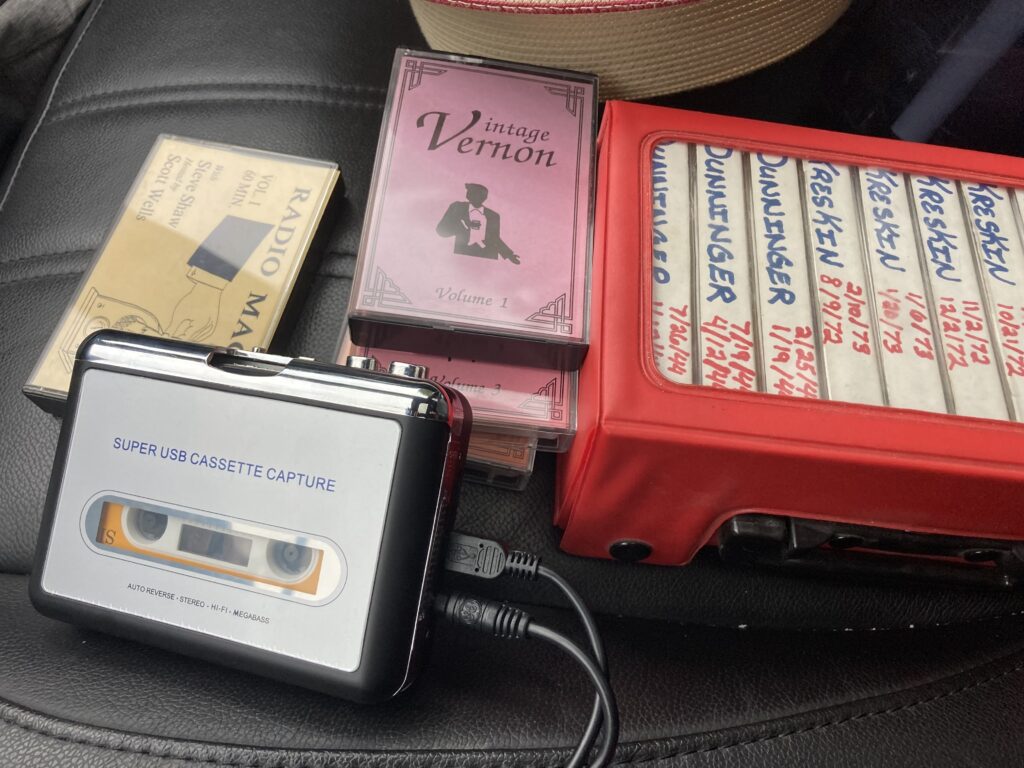
When my summer season ended a few weeks ago, I had a 14 hour drive home. During my travels over the summer I found some magic audio cassette tapes, so I bought a cheap tape player and listened to magic on the drive home!
It was really interesting to listen to two different Dai Vernon lectures without being able to see anything. I was kinda amazed that I was mostly able to follow what what he was explaining. It did help that I was familiar with his books from when I was a teenager and had worked through most of the stuff decades ago.
The Radio Magic tape by Steve Shaw (Banachek) and Scott Wells has a lot of great information that still applies today! It’s solid advice for doing a radio or podcast spot and a lot of that applies to doing things like TV morning shows or news spots.
I barely got into the Kreskin and Dunniger tapes. The Kreskin ones were audio of a TV show. It’s interesting to listen to them, they’re from 1972 and the material he’s doing is still solid material! Kreskin was ahead of his time!
Just because something is on an old, outdated medium doesn’t mean you can’t learn from it!