Take Out Ideas…

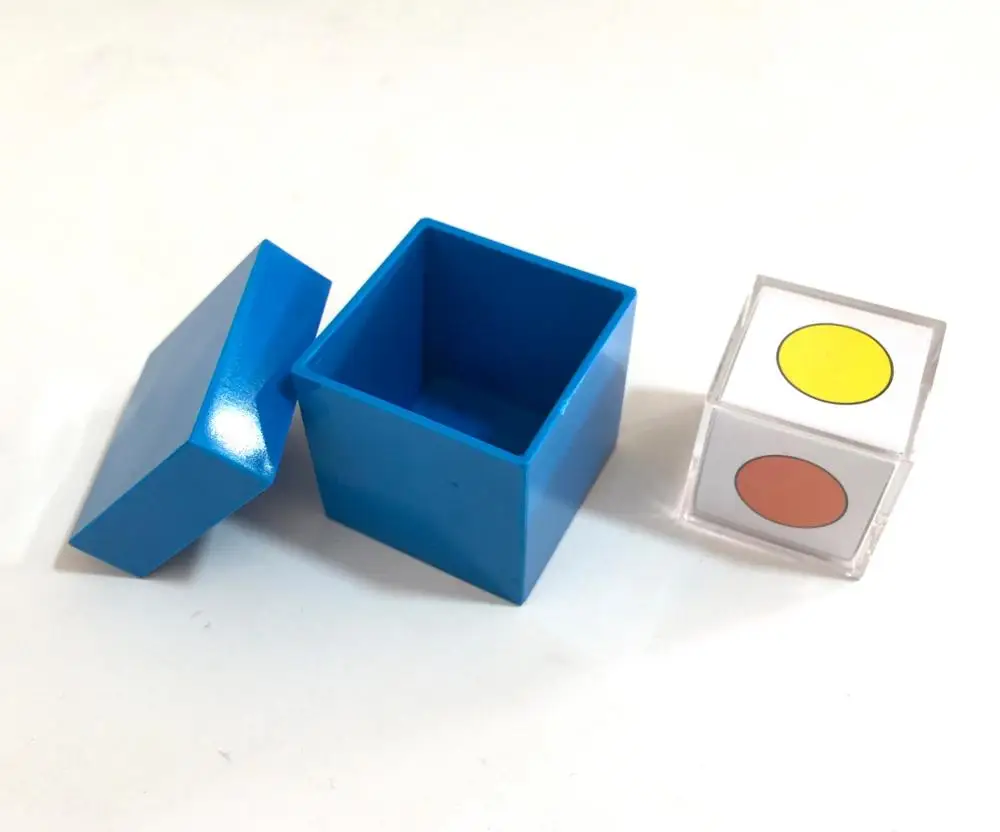
With the Chinese Take Out Production Box, I probably should explore some ideas beyond my initial idea for a routine. While the original idea is good, maybe there’s a better idea.

  • Vanish: Item goes into the box and you open the box flat for the vanish.
  • Mentalism Reveal: Someone thinks of a object and then you make it appear from the box.
  • Multiple Mentalism Reveal: Produce first thought of item from the box, then show the box empty and then produce the second item.
  • Item and Price Reveal: Something thinks of a menu item and price. You open the box to reveal the price inside (also showing the box empty). You close the box and then produce the item.
  • Time Travel: You remove something from the box, and open the box flat to show it empty. It vanishes and reappears in the box.
  • Transformation: Something goes into the box (like hard dry noodles) and they come out as cooked noodles

There’s some ideas, I kinda like the idea of a transformation, maybe ingredients go in and out comes a finished food? Anyway, I’m glad I dug a little bit deeper than just my initial idea.

-Louie

Chinese Take Out Production…

Yesterday I wrote about an idea of using a chinese take out box as a production box. I went out and bought some poster board and made a box using the real one as a template. It was pretty easy to make the box, and luckily it all worked out on the first try:

I won’t use cards as the production item as they don’t make sense coming out of the box. I think I’ll use chinese food like noodles, or possibly and oyster and then noodles.

I think this is superior to many production boxes that are on the magic market because it’s something that people actually see everyday. Also as a prop, it’s much easier to relate to than a mirror box!

-Louie

Production Box

Last week we had Chinese food for dinner and I was looking at the take out box, which were originally called oyster pails and thought it would make a great production box.

I’m always surprised at how many people don’t know that these containers convert to plates:

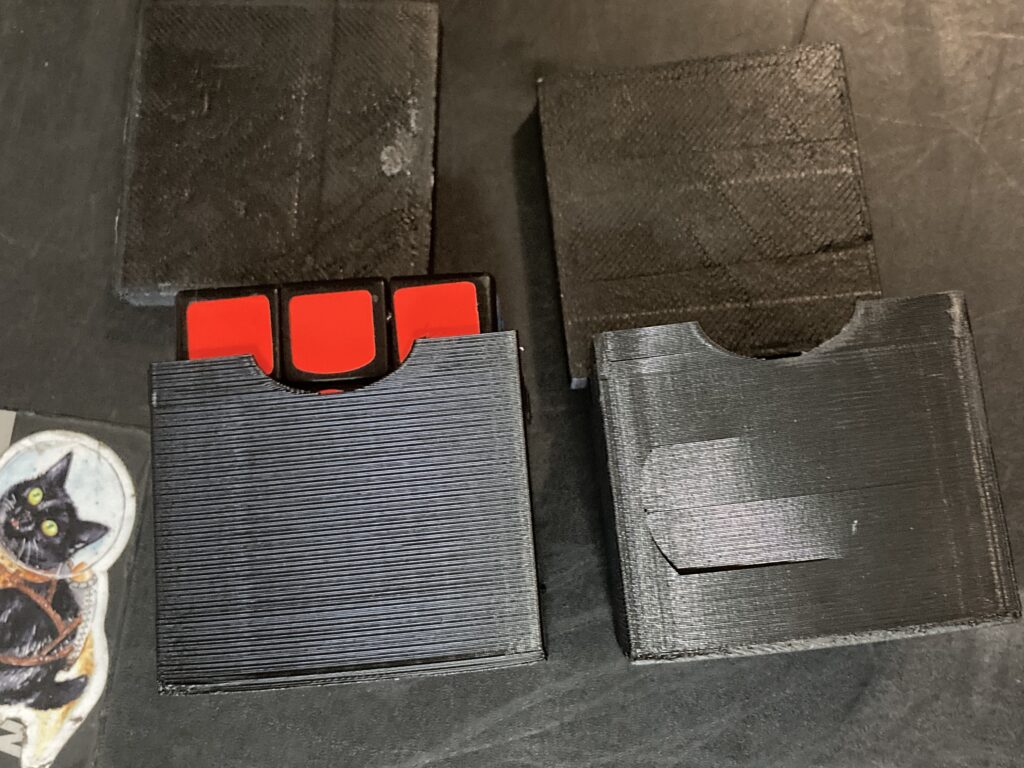
This would be the method for hiding the load chamber and the presentation hook. It’s a “chinese take out hack” to turn the container to a plate. I made a quick mock up and it seems to work, but I need to try to make a better model of it.

I’m going to make a mock up later today out of poster board. I tried altering the existing box, but the wax/plastic coating inside makes taping anything to it really difficult. I’ve worked out the moves to hide the load chamber with what I have and I’m convinced it will work, I just need to build one with more tape friendly materials!

-Louie

Correct Banquet Seating!!!

Last week at the conference I was at, I finally ran into the correct way to have seating in a banquet hall! Normally when there are round tables, the chairs are seated around the entire table.

The problem with this is if there’s a show or presentation, one to three people have their backs to the stage. Commons sense thinking for event planners is “people will just turn the chairs“. Unfortunately the reality is that most people don’t turn the chairs. They start watching with their bodies contorted in the chair to watch the show. This gets very uncomfortable and even if you engage them the entire time, it’s still hard for them to enjoy the show.

The simple solution to this is to ask people to turn their chairs. What always amazes me is that this never gets 100% compliance. You’ll get maybe 25%-75% of the people to turn their chairs.

The banquet room I was at last week had the chairs arranged like this:

All of the chairs are facing forward and there’s no chair at the front of the table. That’s how you get good value from whoever you hire for a show!

Let’s hope this trend continues (it won’t)

-Louie

High Tech Hypnosis…

A while ago I saw Kreskin do his show and hypno show. One thing that struck me was his “induction” to people onstage. Kreskin handed them a card, and they passed it around while he played the piano. As they passed the card around the people (mostly) fell asleep. From the audience’s perspective it was really cool to watch.

I’ve been told that the card says something like, “Please play along and go to sleep”. I don’t know for sure, but that gave me an idea, here’s how it would look:
You have a big QR code and you have everyone onstage scan it. They all look at their phones and fall asleep. Also you turn the card around and have the audience scan it if they want to follow along. They see a “hypno wheel” spiraling. You then do your hypno show.

Here’s what’s really happening is one of two things. The first solution, is the QR code changes to another image at a certain point. So the first qr code has the message to play along, then changes to an image of a hypno wheel. When you have the audience scan it, it’s already changed to the image of the wheel and the play along message is gone. The other method would be a flap card, so the audience is actually scanning a different link. With this method, you’d still want the original scan to change so that no one could see the first message.

This is something I’ll probably never do…

-Louie

Great Tricks Suck on Low Stages…

A couple of weeks ago I was at a booking conference and one of the acts did Bowl-A-Rama by Kevin James. If you aren’t familiar with the trick, it’s a bowling ball production from a sketch pad. Here’s what it looks like:

This is a great trick…usually. Here’s a picture of the guy I saw doing it:

Do you see the problem with doing it in this venue?

If you can’t spot the problem, here’s what it is: The stage is very low
The production of the bowling ball happened below the guy’s waist, which means most of the audience couldn’t see it. This was his opening effect and totally wasted on the audience.

I don’t fault the performer. He was flying in to do a showcase set and probably only packed his showcase set. Replacing the bit probably wasn’t an option for this specific bit.

One thing I try to do is watch shows from the back of the audience. Another way to do this is put a video camera in the back, but at eye level as if you were sitting in a chair. If you pay attention you will see what’s visible and what isn’t. For me, I try to avoid anything where the action happens below my waist.

-Louie

Measure for Measure…

measure for measure by iain bailey

A few months ago I picked up the trick Measure for Measure by Iain Bailey on the used magic market. This is a tape measure prediction, where you pull the tape out and someone says stop and wherever they say stop, there’s a giant arrow on the back pointing to that spot.

What I like about the trick is there’s really no explanatory phase to it. You don’t need to set it up, you pull out the tape, they say stop, and the arrow is there. It’s really quick and direct.

Now what I don’t like is that the tape is really hard to manage once you get past a few feet. I think Iain in the video mentions he came up with the trick during the COVID shutdown, so I’m guessing he hasn’t really tried it outside of a virtual context before he released it. The big problem with the trick is that once you get past pulling out a few feet of the tape ruler, it gets very hard to manage. The tape gets floppy and makes the trick hard to present…especially from a technical angle, but also from a visual standpoint. It doesn’t look good with you struggling to hold a tape measure straight.

One solution is to have someone from the audience hold one end of the tape. That’s a decent solution, but it’s not always practical from a stage craft and technical end. My solution was to go to my trusty 3D printer and make a thing that will got onto the mic stand that I can put the tongue of the tape measure into. Here’s what it looks like on the computer:

And here’s what the initial print looks like:

Measure for Measure by Iain bailey

I made it a little bit bigger than it needed to be, so to tighten the gaps, I put the furry side of velcro inside of the holes. I also noticed that the flat end where the tape measure will sit shouldn’t be flat on the top, but concave. I didn’t want print another one, so I hit it with a heat gun, then pressed the tape measure down on it to make it concave. Here’s what the final thing looks like:

Measure for Measure by Iain bailey

That just slips onto a mic stand and I’m good to go.

Measure for Measure by Iain bailey

It holds the end of the tape measure very securely and low, so the audience hopefully can’t really see the backside of it. As a bonus the action of putting it into the holder hides the secret move that needs to take place at the beginning of the trick.

I’ve always said that most of magic is problem solving. Making this little holder took me about 10 mins to design another 10 minutes to alter and solves the big problem with actually doing the trick!

-Louie

Double Action Pull – Take Two

I redesigned the pulley for the double action vanishing birdcage pull that I made yesterday. The main difference is that it’s slightly larger and the hole on the non pulley side has been moved 90 degrees.

Here’s a side by side comparison with the one that I made yesterday. The old one is on the left and the new design is on the right with the strings on it.

double action birdcage pull

I foreseeing possibly making it wider with the ends flaring out, so that it doesn’t roll inside the jacket and twist the line. We’ll see if that actually ends up being a problem, or if tension alone will straighten out or keep the lines straight. I’ll play with it a bit and see what happens.

If you’re curious about this style of pull, I think I first read about it in Jim Steinmeyer‘s book The Magic of Alan Wakeling. In that book it’s used to vanish a fan, however I think using a pulley on a wrist to wrist pull is much older than Wakeling using it.

-Louie

Double Action Pull…

For some reason I’ve been thinking of the “double action” birdcage pull lately. I’ve used one a long time ago, and never really felt it contributed much to the vanish. Essentially what a double action pull does is give you more pulling power with less motion. It converts your motion 2 to 1, so you move one inch and the line moves two inches! It’s a great way to reduce arm motion for the vanishing birdcage, but adds complexity to the setup. Every bit of complexity you add, it’s another thing that can potentially go wrong. This may be the issue I have with it, the gain of having reduced motion isn’t worth the risk.

I haven’t used one in 15+years. Tonight I decided to make one, so I designed this one to be 3d printed:

double action birdcage pull

Here’s what the insides look like:

double action birdcage pull

There’s not really too much to it, it was a simple design and a quick print. Here’s the printed version:

There are a couple of things I want to change after printing the first one. The big change is that I want it just a little bit larger, so that I can fit a bearing inside for the pulley.

I’ll do a new design later today and hopefully I’ll nail it the second time!

-Louie
Click here to learn more about the vanishing birdcage!
Eye-Balling the Problem…

In my show I do a joke about a kid losing a glass eye during the show. I thought it would be funny to add a visual gag to the verbal joke. The gag works for when you’re doing a multi show type of gig, but it doesn’t work for single show. I ordered a glass eye, and now I have one in my prop case!

The gag works, and I’m glad I spent the $25 on a glass eye, however the gag can be better. Most people don’t know that a glass eye is basically flat, it’s just the front 1/4 of the eye. People think it’s a whole globe that would be a sphere. I think if I managed to find a good looking sphere, the gag would play better.

I guess there’s only one way to find out…track down a round glass eye!

-Louie