The Shell Game Onstage

The idea of doing a three shell game style routine onstage has been in my head for a little while. Onstage, a shell game type routine typically manifests itself as a Bank Nite type routine, where money is mixed with worthless prizes. The spectator picks all but one envelope, leaving the magician with one, which has the money.

There are two challenges with a Bank Nite style of routine:
1: The spectator loses (usually)
2: The final reveal is anti-climatic, the audience knows what’s in the last envelope, so opening it isn’t really a moment.

A good example of ending the routine with a bit of a moment is telling the audience that money is in one of the envelopes, but not showing them. A good example of this is John Archer’s Blank Nite routine:

What’s the Solution to Doing The Shell Game Onstage?

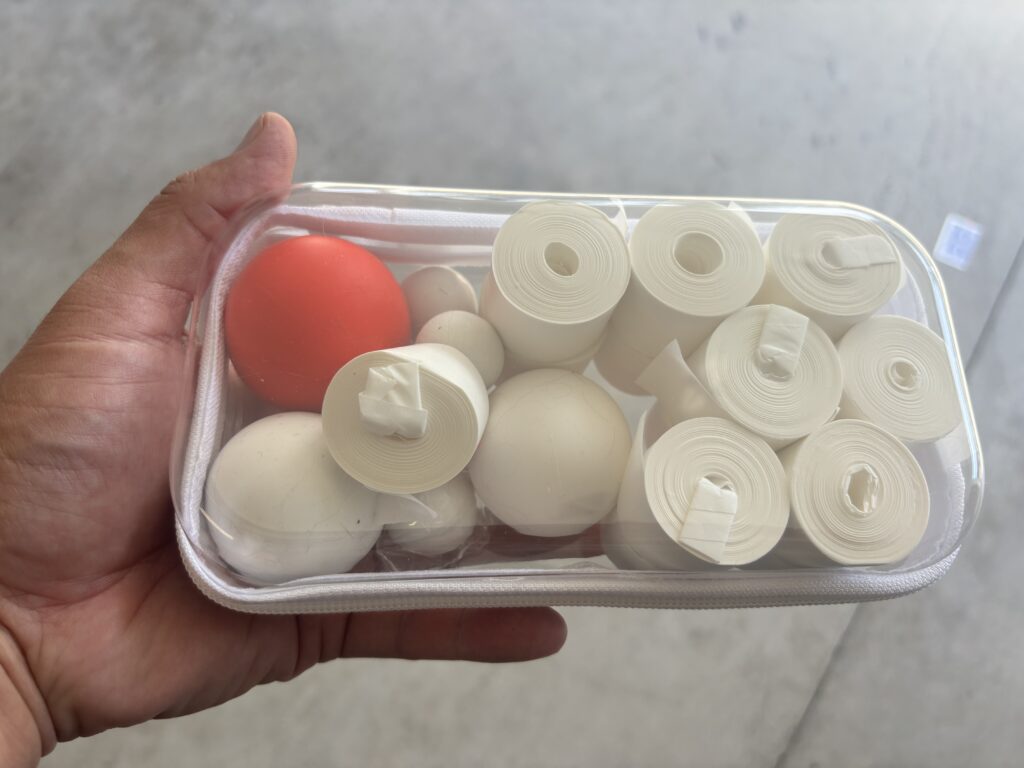
This doesn’t really solve the problem, but here’s the idea I came up with: You have three tennis balls with slits cut in them. You put the $100 into one of them, and the audience has to follow that one while you juggle it.

This is nice and visual, and it has the mixing element of the three shell game. The audience is involved in trying to follow it.

This doesn’t solve the two main problems: the spectator loses, and the final reveal is anticlimactic.

I like the visual…but now to try to figure out how to solve the two issues.

-Louie
A Simple Cell Phone Magic Trick

Personally, I don’t like using my cellphone for magic tricks. It’s too easy for an audience to say something is an app or AI. The other reason is that so many magic specific apps get abandoned by their creators, and they just stop working.

Here’s a little magic trick that I came up with that uses a cell phone:

The video above was the test of the trick, I’ve tightened it up and removed all the double lifts from it.

Honestly Evaluating The Magic Trick

What I like about this is that it doesn’t use any magic apps, so I’m not relying on some magician in their basement in Alabama to keep it updated!

What I don’t like about it, is that the effect is fairly slow. Removing the double lifts speeds it up a lot and takes out a lot of unnecessary process.

One last thing, I found the trick is stronger when it’s repeated a second time!

When creating magic tricks, I think it’s important to evaluate what’s going one. Figure out what you like and don’t like and what makes it hit harder for the audience. Try things, take risks. .

-Louie

How To Create a Visual Hook For Magic Routines

One of the things that I try to do when creating magic routines is to think about what they look like. This is important when you perform at places like state and county fairs, where you have a transient audience. Having strong visual hooks that will stop someone that’s walking by is important in that market.

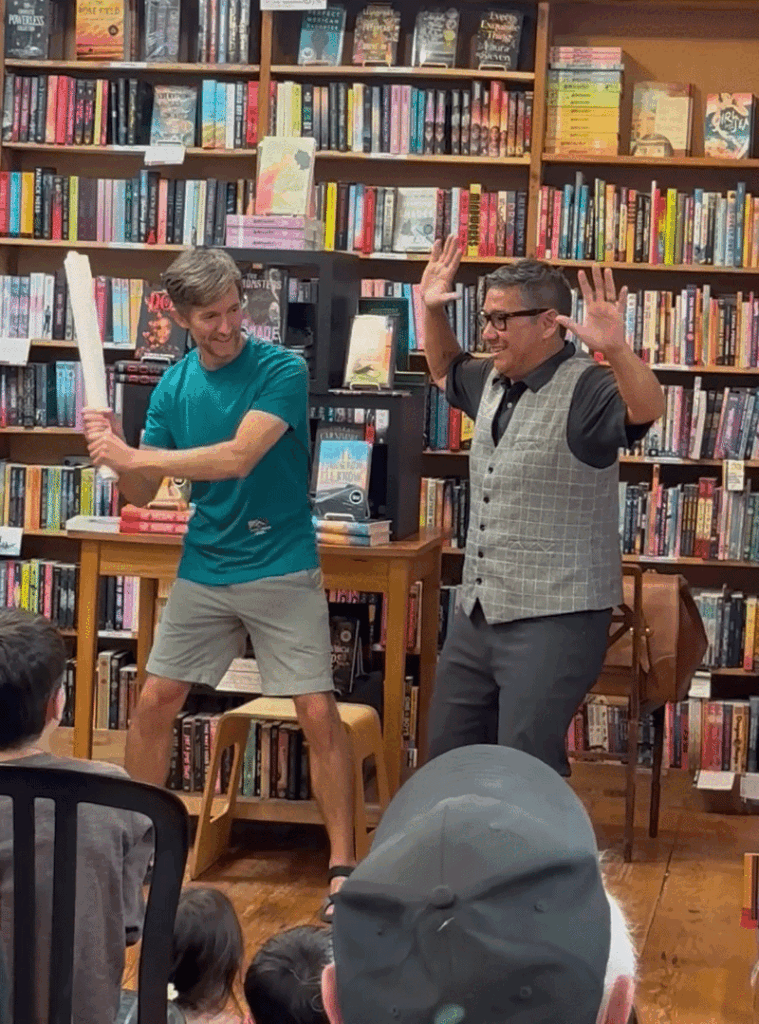
Here’s an example of a visual hook, it’s part of my Body Language Book Test which is in my 2025 PCAM Lecture notes.

In the routine, a guy ends up hitting me in the belly with a tube. It’s a great bit, but more importantly, the routine is visually interesting virtually the whole time!

Three Easy Way To Adding Visual Appeal To Magic Routines

Here are three common, and easy ways to add visuals to magic routines:
1: Props – If you have an interesting prop, that is obviously visually interesting, and of course, the bigger the better! People need to see it from a distance, or they won’t stop.
2: People – More people onstage can create drama. You’ve changed your show from monologue to dialogue.
3: Action – Having motion onstage makes people stop to watch. A bad dance troupe will having an easier time getting a crowd than an amazing stand up comedian.

Ultimately, most things will use more than one of the things above to draw attention.

A good example is my Straight Suit routine, which you can see here. It combines a interesting prop, the inflatable suit with action.

Also keep in mind that not every single routine needs to be a giant thing, for texture in your show, you should vary things. A great example is Franz Harary in one of his MEGA illusion shows also does silk to egg.

-Louie

Magic Show in Seattle!

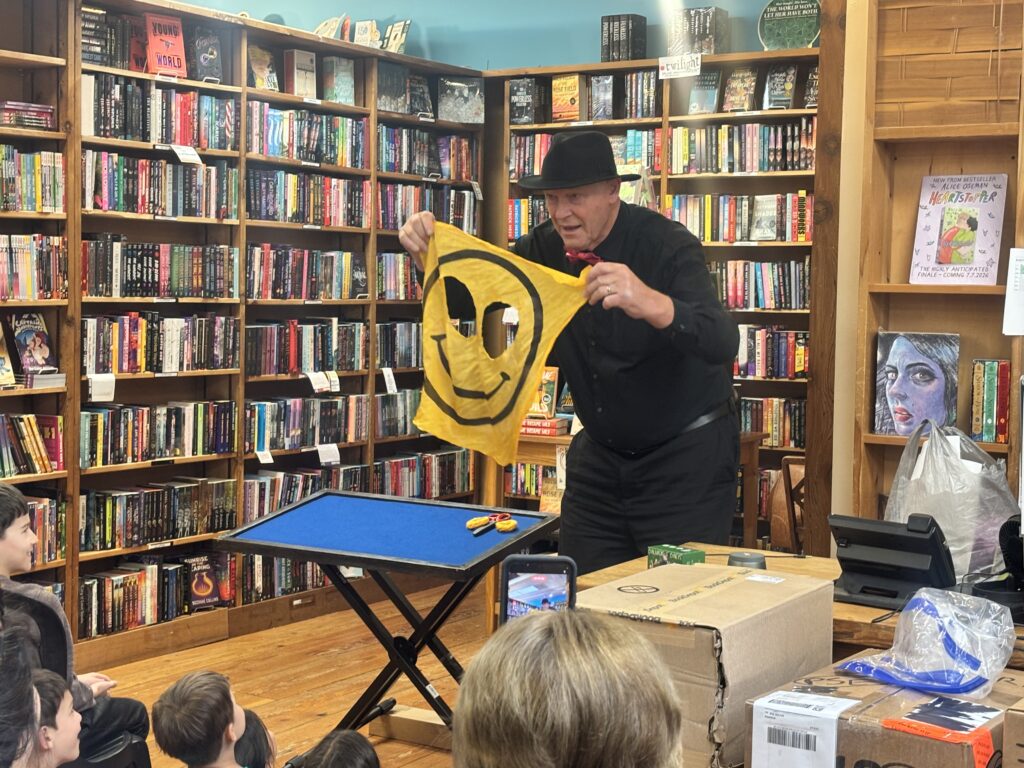
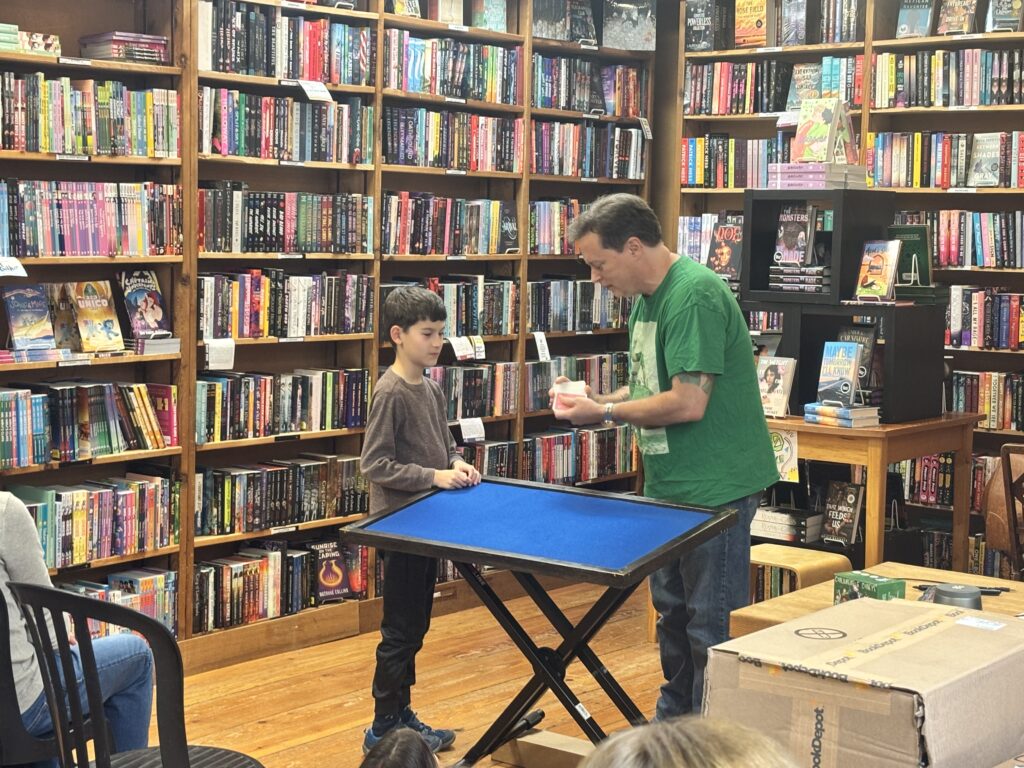
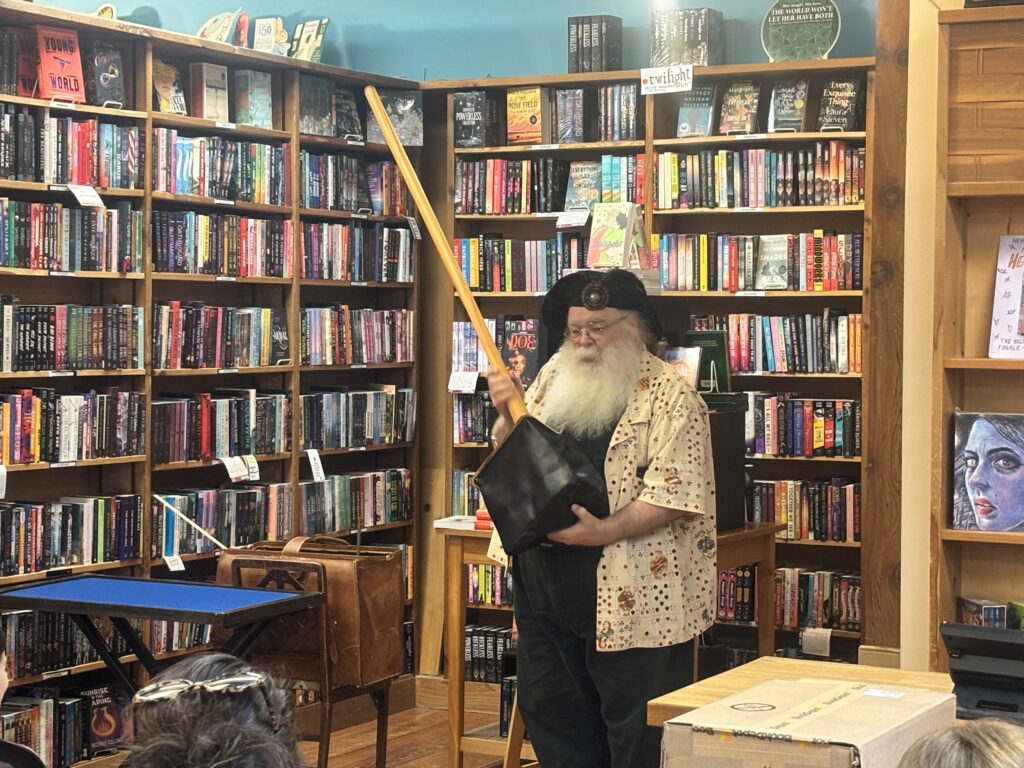
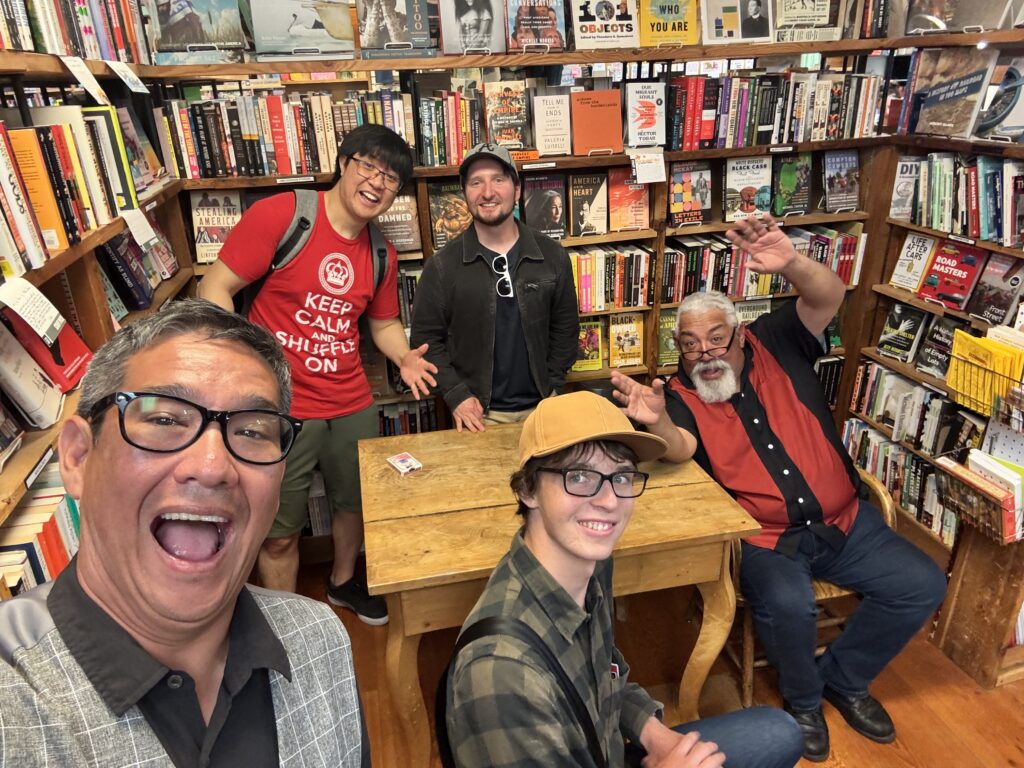
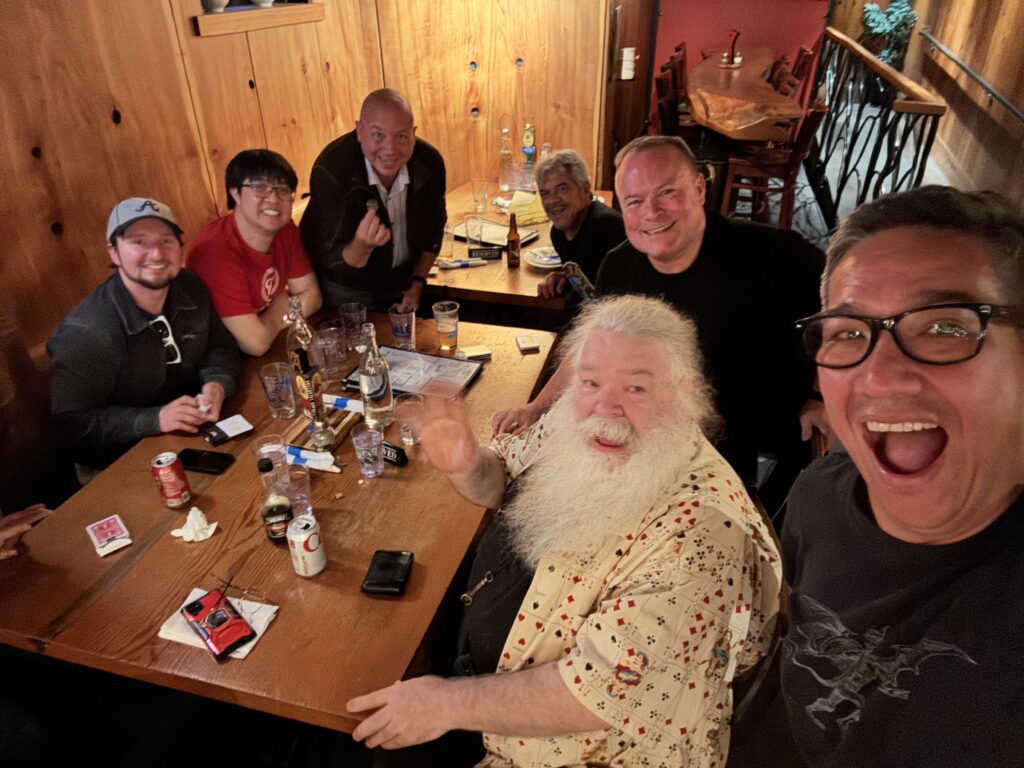
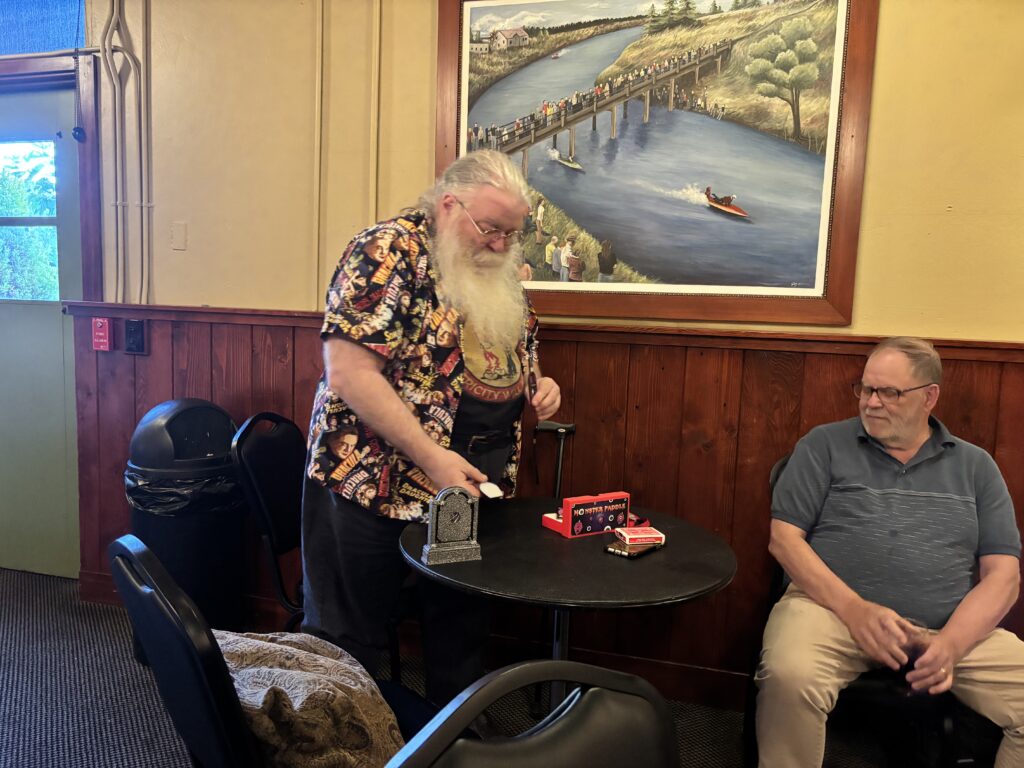
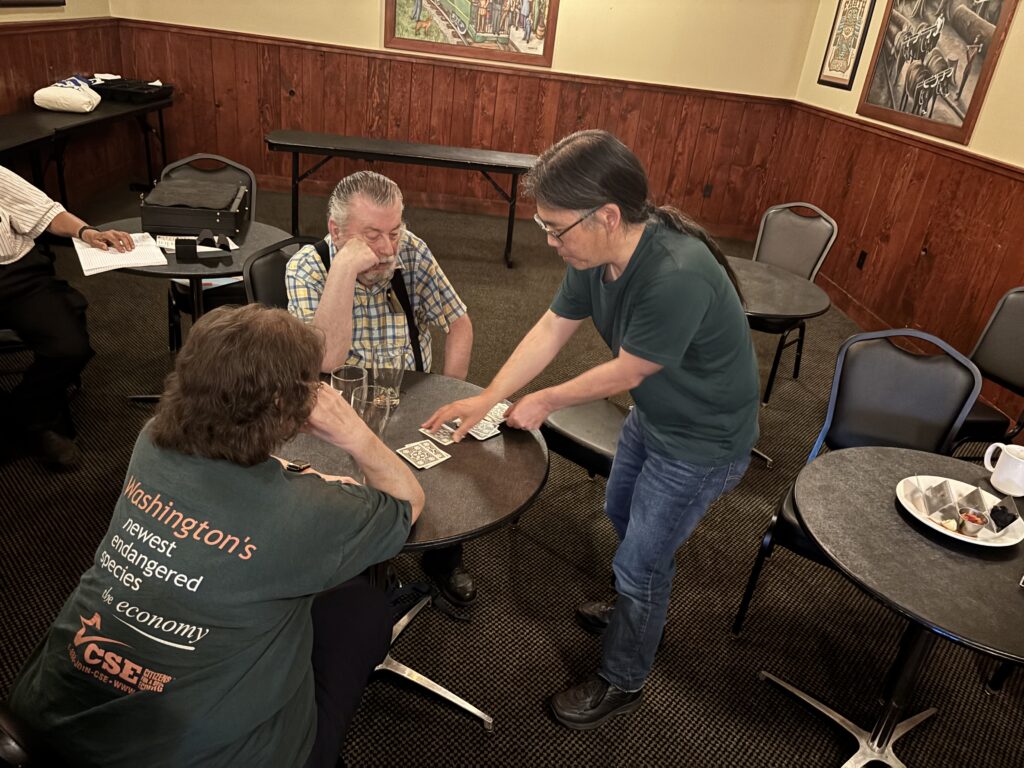
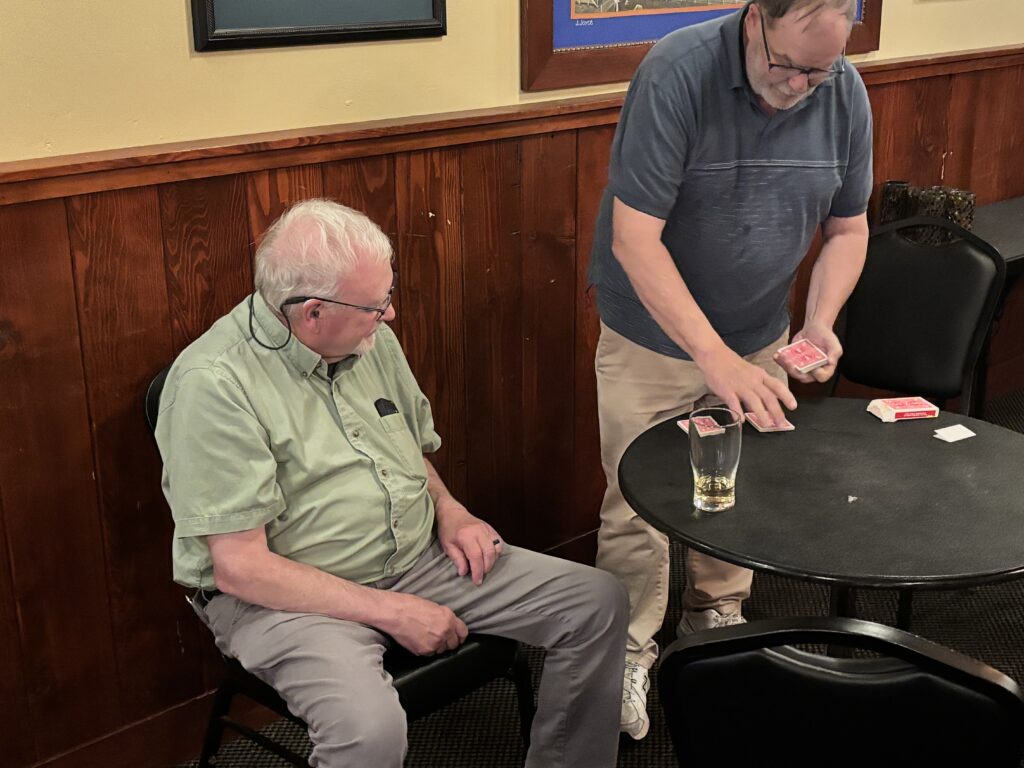
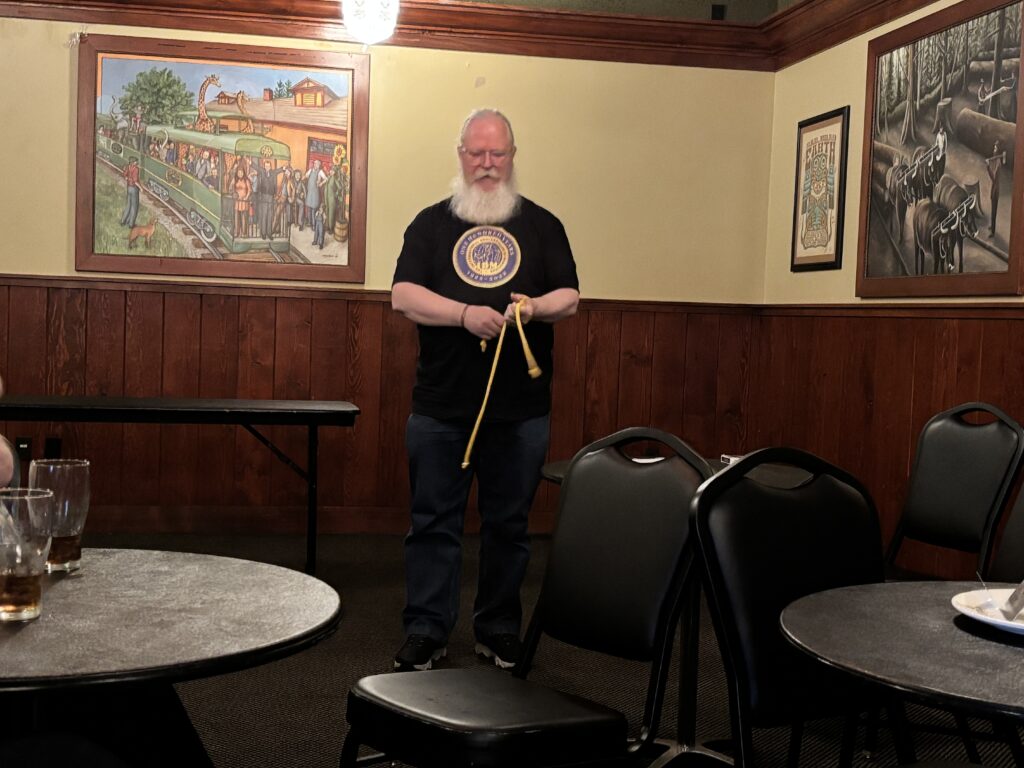
On Monday I popped by Magic Monday in Seattle. This monthly magic show has been running for over twenty years! The show is currently run by Jim Earnshaw, and it usually features 3-5 magicians each month. Then in August, they do magic show that’s all young magicians performing.

This week it was Jim Earnshaw, Sven “The World’s Tallest Magician”, Monty Reed, Me and Master Payne.

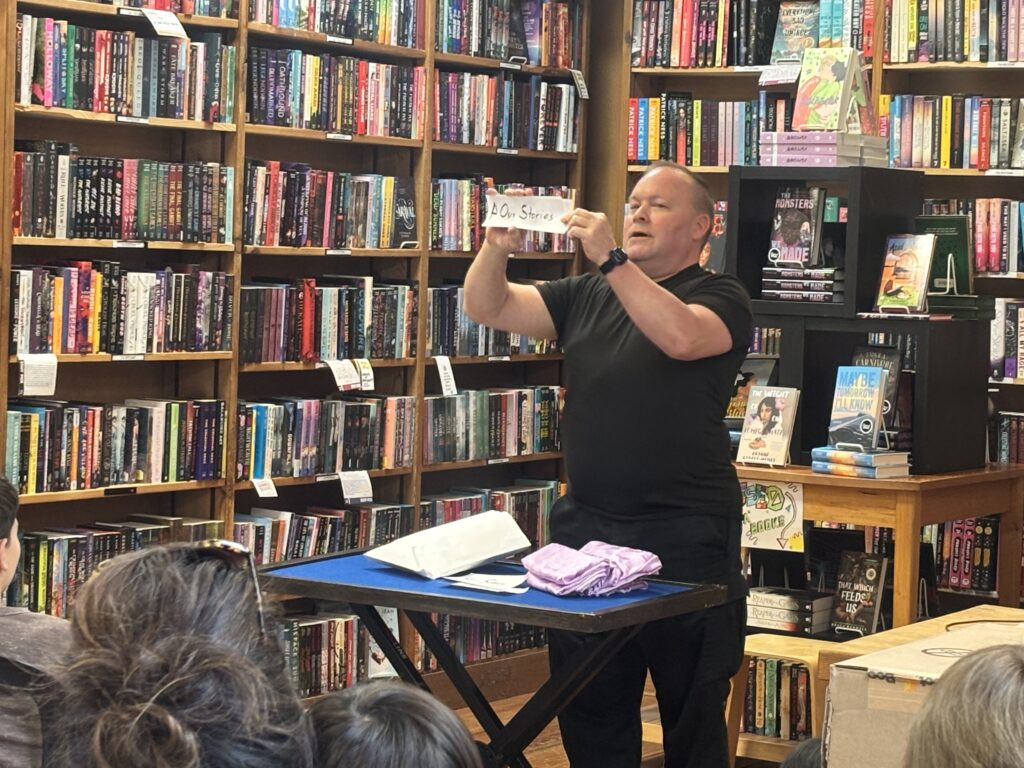
This is a fun show to do because it’s a fun hangout…and because it’s a fun crowd! Here’s a table of magicians in the back watching the show:

Magicians hanging out at a bookstore

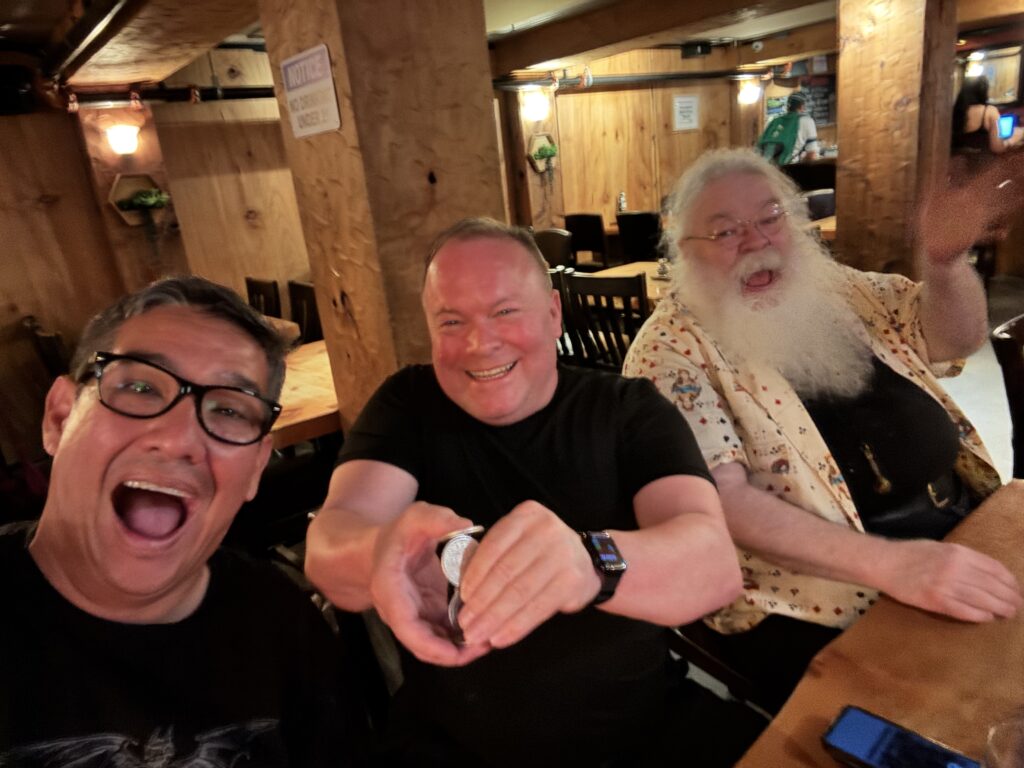
Then after the show we go downstairs to pub and hang out.

Whenever I’m in Seattle and this show is happening, I always pop by!

Here’s some posts of visits to Magic Monday:
https://www.magicshow.tips/magic-show-tips/magic-monday-in-seattle-3/
https://www.magicshow.tips/magic-show-tips/magic-monday-in-seattle-2/
https://www.magicshow.tips/magic-show-tips/magic-monday-in-seattle/
https://www.magicshow.tips/magic-show-tips/magic-mondays/

If you’re ever in the Seattle area on the second monday of the month, be sure to check out this show!
Details: Ravenna Third Place Books. 7.00 p.m.

-Louie

Jimothy and How To Create a Card Trick

A couple of days ago I saw a video of a unique looking racoon that that internet has named Jimothy. Here’s the video:

He’s popping up everywhere, and that got me thinking, what magic trick could I do with him.

A Simple First Step To Creating Magic Tricks

The easiest way to create a magic trick quickly is to find the theme, in this case Jimothy and figure out what to do with it. I’m travelling right now, so I’m limited with props, which can be a good thing when trying to create something new. I did have some blank face playing cards, so that gave me a start, it’ll be a card trick, with a picture of Jimothy.

My idea was to do an ace assembly type trick, with Jimothy and things raccoons eat. The challenge was that I didn’t have enough blank face cards to do it in the traditional way with 16 cards. I think this was a good thing, because most ace assemblies are too long and redundant, but you kinda need to have three “traveler” piles because there are four aces. I didn’t have that restraint for this trick.

I’m a huge belivier in creating magic tricks with rules or restraints. It definately makes it easier. You can read about how this applied to a full show that I wrote here!

Here’s what I came up with:

What I like about the format of this card routine is that it can be used for other themed tricks. It’s an easily adaptable format, customizing!

-Louie
PS: You can learn more about how I create magic here!

How to be a Good Opening Act!

Recently, I was the headline act for a stand up comedy show at a casino. The show had three acts, and an MC who did 15 minutes, a feature act that did 30 minutes, and then the headliner (me) who did 60 minutes.

Comedy magic

One of the things that many magicians don’t understand is how to be a good opening act when you’re in a show like this. Magicians think they need to go out there and DESTROY an audience almost with a “try to follow that” attitude, and there are places for that, but as an opener in a comedy show, that’s not your job.

The MC’s job is to warm up the crowd, not to crush. The Opener’s job is to keep the energy going so that the headliner has a hot crowd when they step onstage.

I’m not saying you should intentionally be bad, or not give it your all. The thing is that you’re working within a show and the whole show needs to be successful. If you’re constantly blowing the headliner out of the water, and you’re not moving up to that position, you should look at why you aren’t moving up.

Do you have enough A material to fill the 60 mins?


If not, you should be working on that, and not necessarily doing the stuff you know crushes every time.

Are your first 25 minutes any good?

I’ve worked with tons of acts that have an amazing 5-10 minutes, and they close with that. However, everything before that is pretty bad. They close strong, but don’t move up to headliner because the rest of the show sucks.

Is there some other reason?

Are you hard to work with offstage? Do you follow the rules of the venue? These are all things that can keep you from moving up the ladder to the headline position.

How I Learned The Opener’s Job

Many, many years ago, I had a closing bit that crushed. One day, I was on the phone with my stand up agent, and they told me that they didn’t want me doing that bit as the opening act. It really changed the energy in the room and made it hard for the headliner to follow. The agent then explained to me my role, and once I understood that, it made me work harder as a performer to figure out a more appropriate ending to my show for that venue. More importantly, it made me look at my show and really start working on the steps to move up to the headliner spot.

I should point out that you absolutely should do your best, but sometimes a choice of material that’s better for the show as a whole is the right choice.

-Louie

Why You Should Visit Your Magic Club

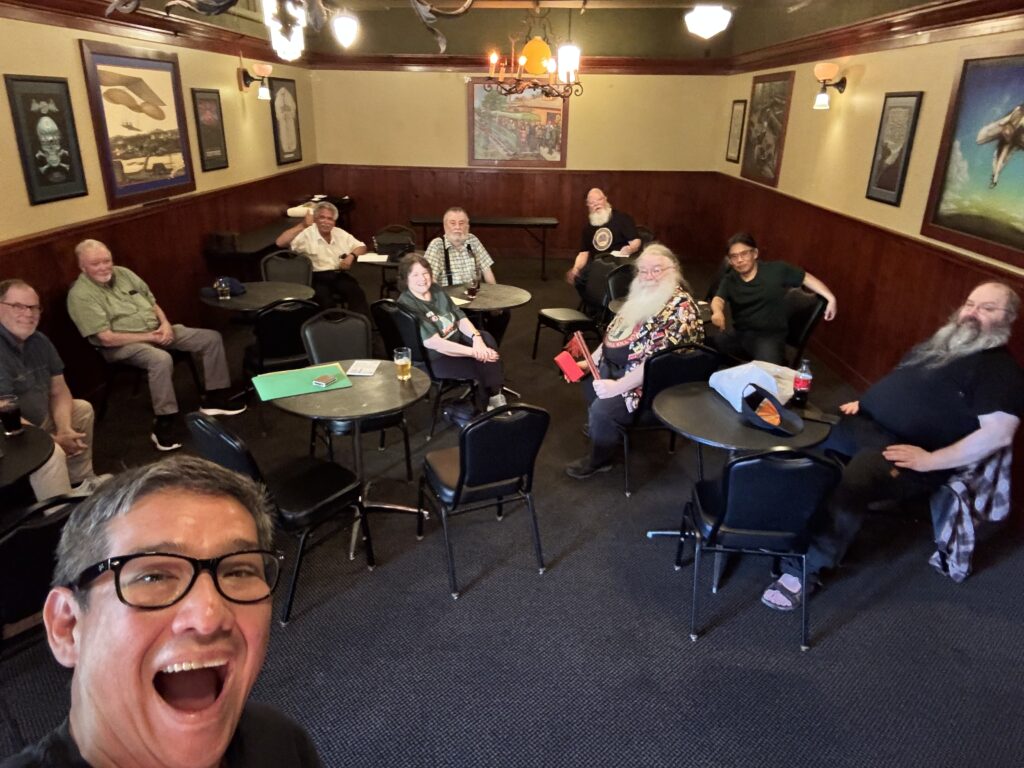
Whenever I travel, if the local magic club is meeting, I do my best to swing by and visit. Last week, I was in the area when the Northwest Ring of Fire magic club had their meeting. I think the last time I visited this magic club was about three years ago.

Northwest Ring of Fire magic club

Magic clubs are a great way to speed up learning magic, because you can ask questions, get answers, and see things that you can’t over the internet.

When I was a kid getting seriously into magic, the local magic club was a HUGE resource for me and really helped me grow, being able to see things performed with my own eyes! It helped me learn what styles of performing magic I liked and didn’t like. That’s something that’s hard to do if you want to do a long form, in person show by just watching internet videos.

Go out and visit your local magic club!

-Louie

Easy Magic Trick Prop Management

One of the things that I think is interesting is how different magicians keep their props in their prop cases. I’m not referring to how they are in the case when set for the show, but for traveling in between shows.

Years ago, I heard about how Billy McComb had a different Ziploc bag for each routine.

A Better System for Storing Magic Tricks

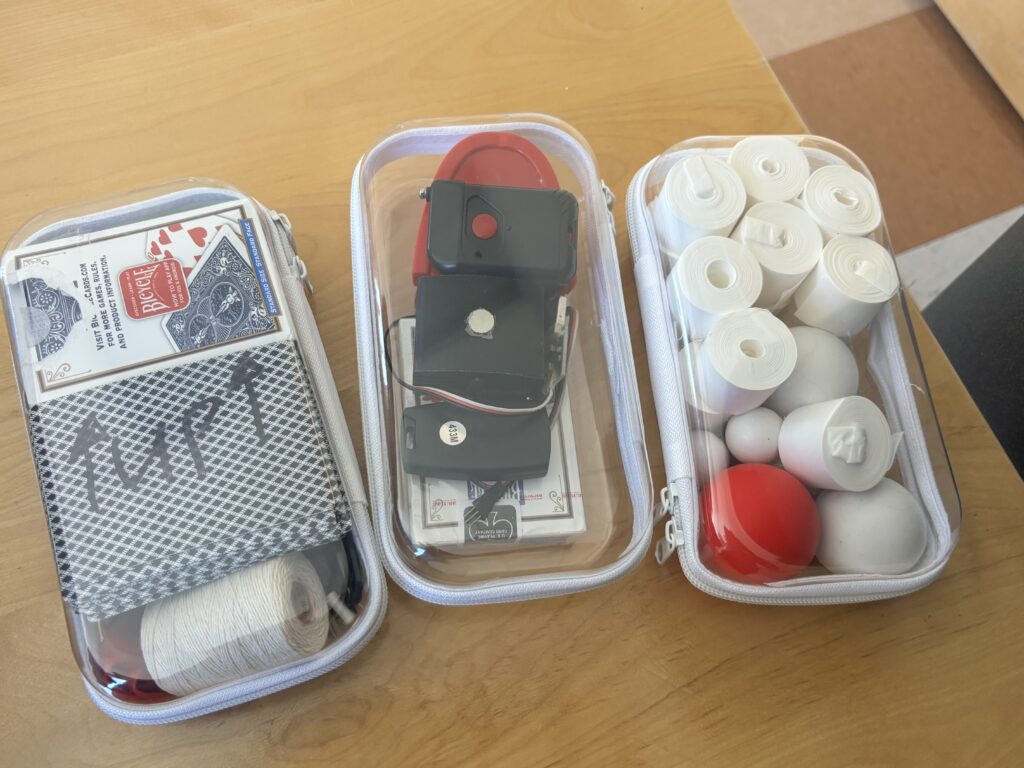
I’ve used Ziploc bags, but recently found these hard sided cases. I think they’re sold as make up cases.

Magic trick prop management

I bought them as a prop for a routine idea that I have, but realized the other day that they’d be perfect for travelling with props. They’ll protect the props a little bit, but I can see into them, so I know exactly what’s in each case.

Magic trick prop management

I just did my first week with these, and I’m really liking them. The next thing will be to make a list of what goes into each box and write it on the box.

Here’s another example prop management from a vintage magic box that I found!

I’m a big fan of these cases and they’re cheap!

-Louie

The Nest of Envelopes – More Work!!

I’m wrapping up two weeks of performing at the San Diego County Fair and I’m learning a lot about the Nest of Envelopes routine. This is a trick that I started working on a little bit ago. It started as an routine idea as a running gag in the show, with not specific trick attached to it.

You can read about it’s journey in these posts:
https://www.magicshow.tips/magic-show-tips/magic-show-running-gag/

https://www.magicshow.tips/magic-show-tips/the-nest-of-envelopes-trick/

https://www.magicshow.tips/magic-show-tips/nest-of-envelopes-as-a-running-gag/

https://www.magicshow.tips/uncategorized/the-nest-of-envelopes-update/

https://www.magicshow.tips/magic-show-tips/ditching-the-invisible-deck/

https://www.magicshow.tips/magic-show-tips/nest-of-envelopes-single-spot/

I think I’ve finally figured out what I don’t like about the routine, and that’s the use of physical props aside from the envelopes. The challenge is coming up with a method that allows me to do that in a manner that I like.

One of the bonuses of trying different methods is that each has things that are positive and could be used in different situations. For example, the method that I was using for most of the two week run of shows I did in San Diego would be great if I were in a situation where access to the audience was challenging. Like stairs to the stage that are behind the stage.

The current method I’m really liking because it’s visually cleaner, it just uses the envelopes, and I like that! I think an important thing to do when creating magic is to try your best not to settle for what just works if it doesn’t align with your vision. Keep trying new things!

-Louie

Library Magic Show Props

We’re at the end of the summer and the Summer Reading Library shows are done. Here’s look at the props that I have on my person during the non-themed library magic show:

And here are the props in my prop bin:

This show had a pretty simple set up, it took about 15 mins to set and strike the show. The non-themed show had elements of other shows that I do, so it was like a “greatest hits” and was fun to do!

-Louie