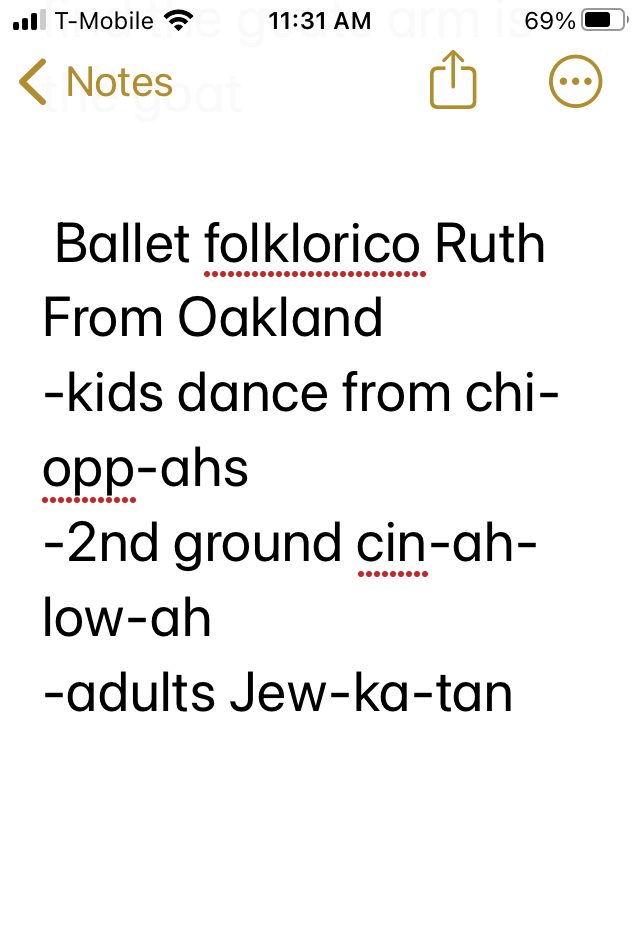
When I was stage hosting, I noticed a lot of things that I do that I don’t know many people do. For example when I write the introductions for acts, I spell out hard to pronounce things phonetically.
I didn’t realize I did this until I had someone tell me I was spelling something wrong. I asked them what’s more important, me spelling it correctly, or me saying it correctly?
That’s a little handy trick for writing out introductions.
One thing I’ve noticed that I do is over write my patter for my tricks. The early versions of the tricks are full of stuff that ultimately will be cut. I do think that’s a good way to do it, over write and figure out what’s good and what isn’t. I try to initially fill a lot of verbal space, then cut out what doesn’t work, leaving only the best parts.
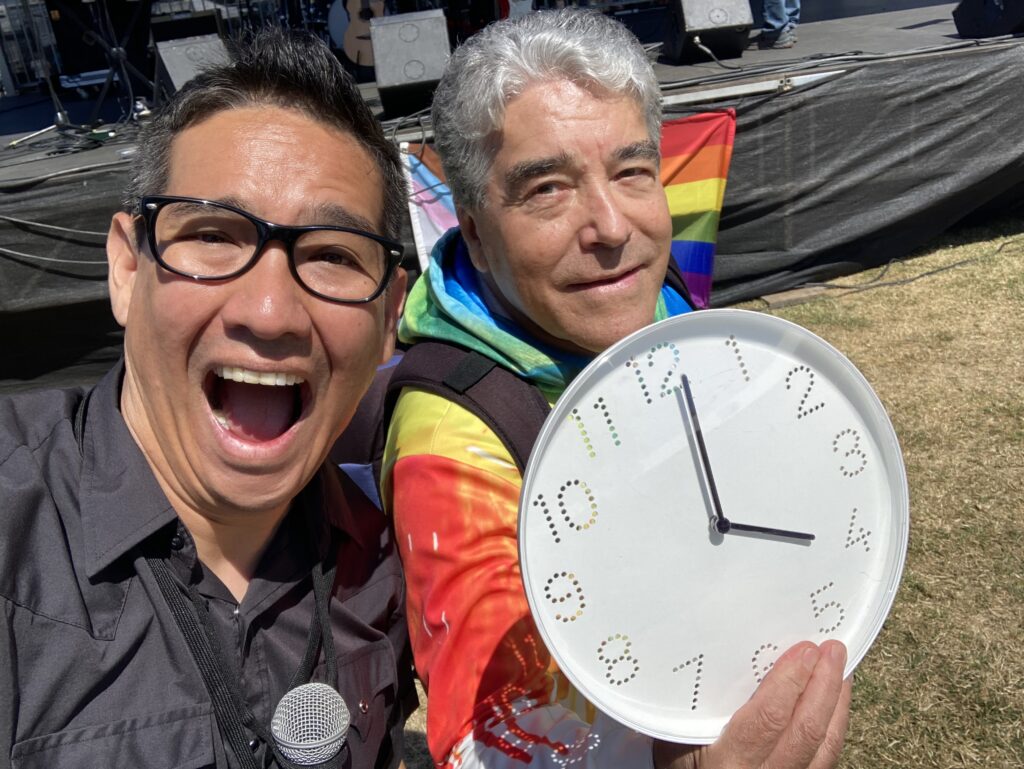
The trick I’m working on that’s essentially a clock prediction:
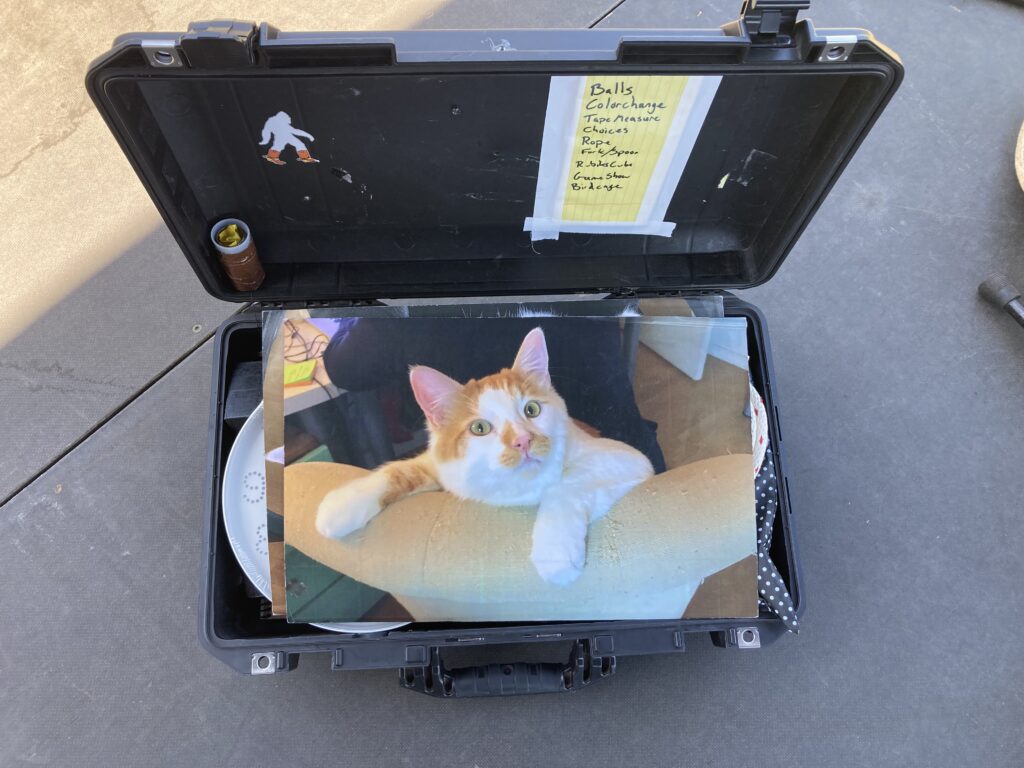
The presentation hook is about my cat, and that seems to be something that people really connect with!
I think that another huge part of putting together routines is finding some sort of presentation hook that people can relate to. There are definitely people who are a lot better at this than me, but I’m trying…
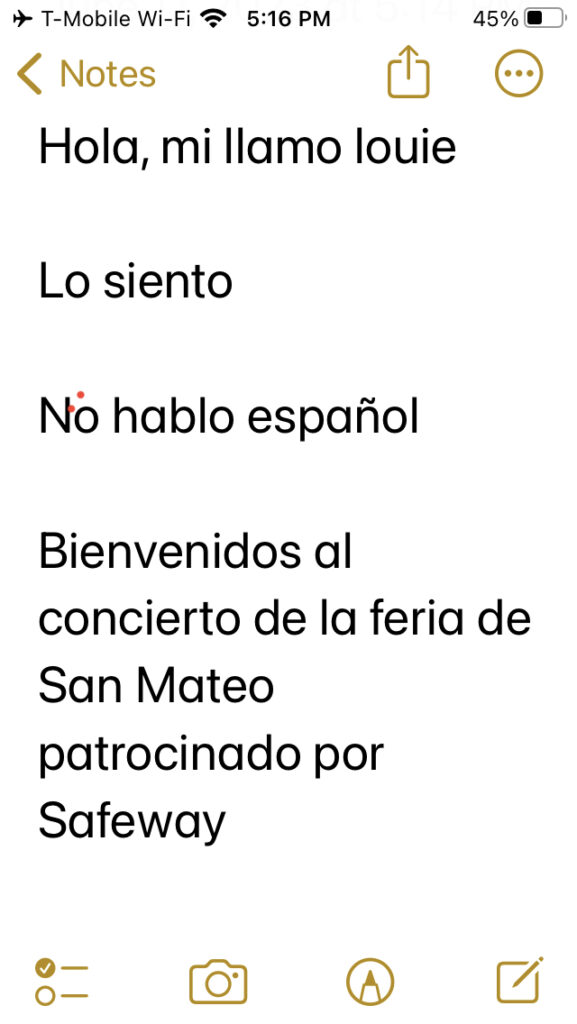
When I was stage hosting a couple of weeks ago, one of the things that I was asked to do was a contest for the sponsor on the mainstage at the event. One day’s entertainment was geared towards a Spanish speaking audience, and I don’t really speak Spanish, but wanted to try.
I had one of the people on the catering staff who was from Mexico help me translate the beginning of my script.
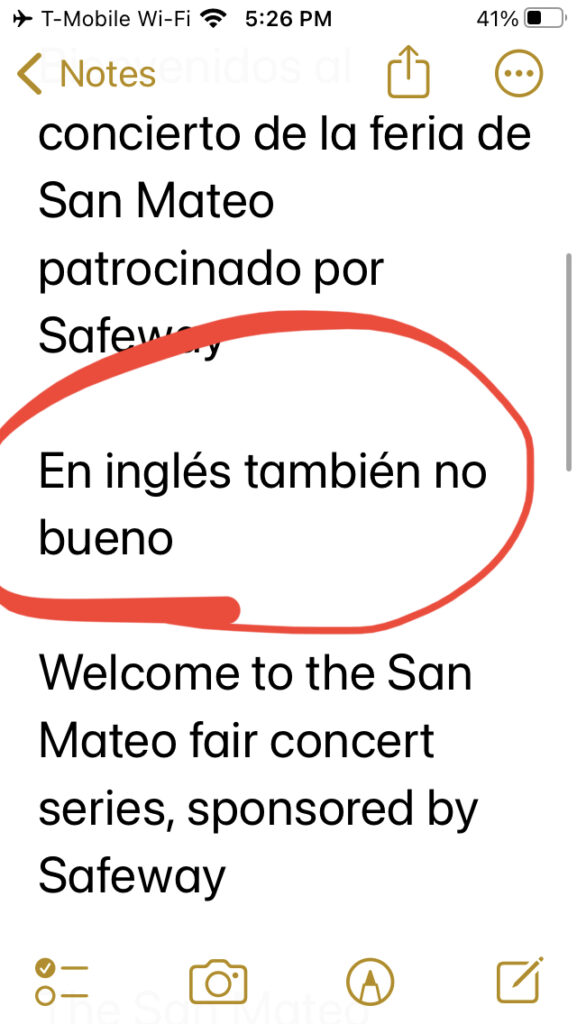
That’s the opening of the script, but then I needed to figure out how to transition into English. So we wrote a little joke:
That was a great little transition joke, and the first joke I’ve written in another language.
The lady helping write it also helped me with my pronunciation. I think people really appreciate when you make at attempt to communicate with them in their native language.
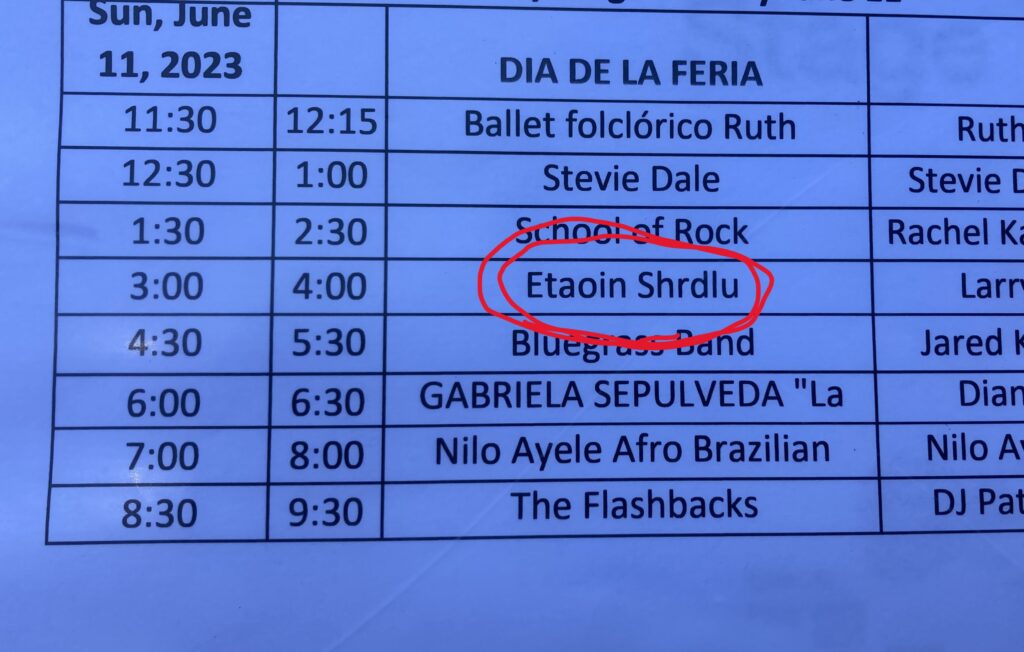
A couple of weeks ago I was doing some stage hosting. My job was to announce bands and do some time between the bands. One of the bands had a very difficult name Etaoin Shrdlu.
This is intentionally a difficult name, as it’s not someone’s name or something in another language, but and old version of placeholder text, like Lorem Ipsum. I wasn’t given a phonetic pronunciation by the band before time. I had to guess, and found several different ways to pronounce it online.
Here’s tip, if you want your name to be pronounced correctly, go over it with the MC before the show…especially if it’s an intentionally difficult name!
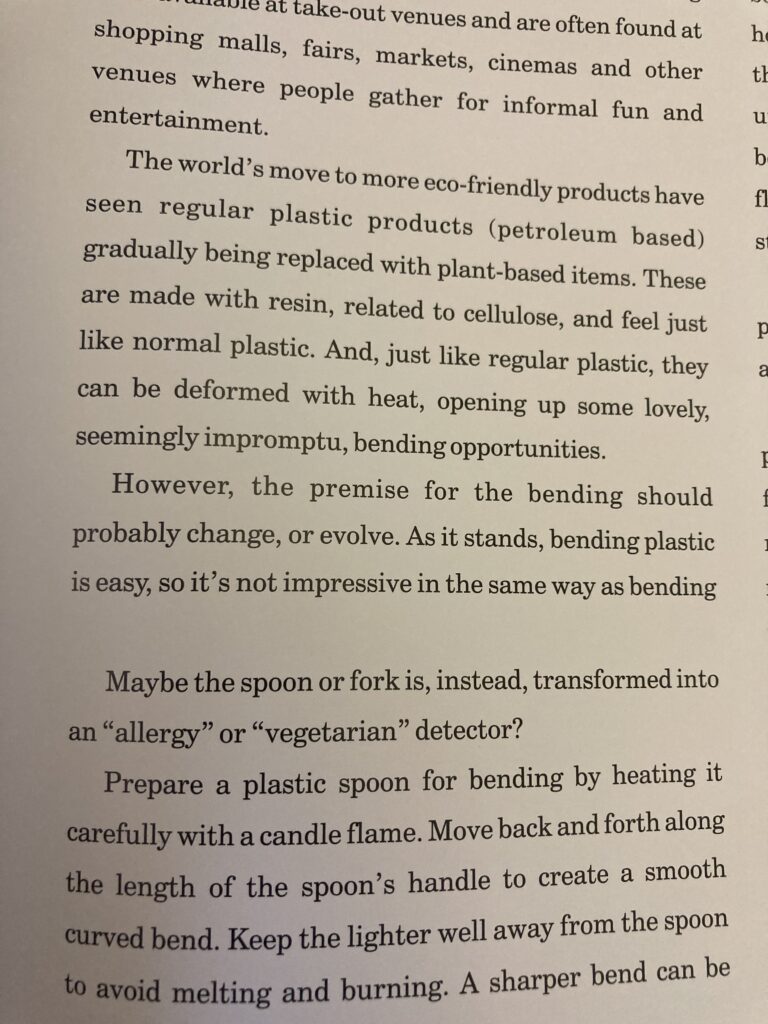
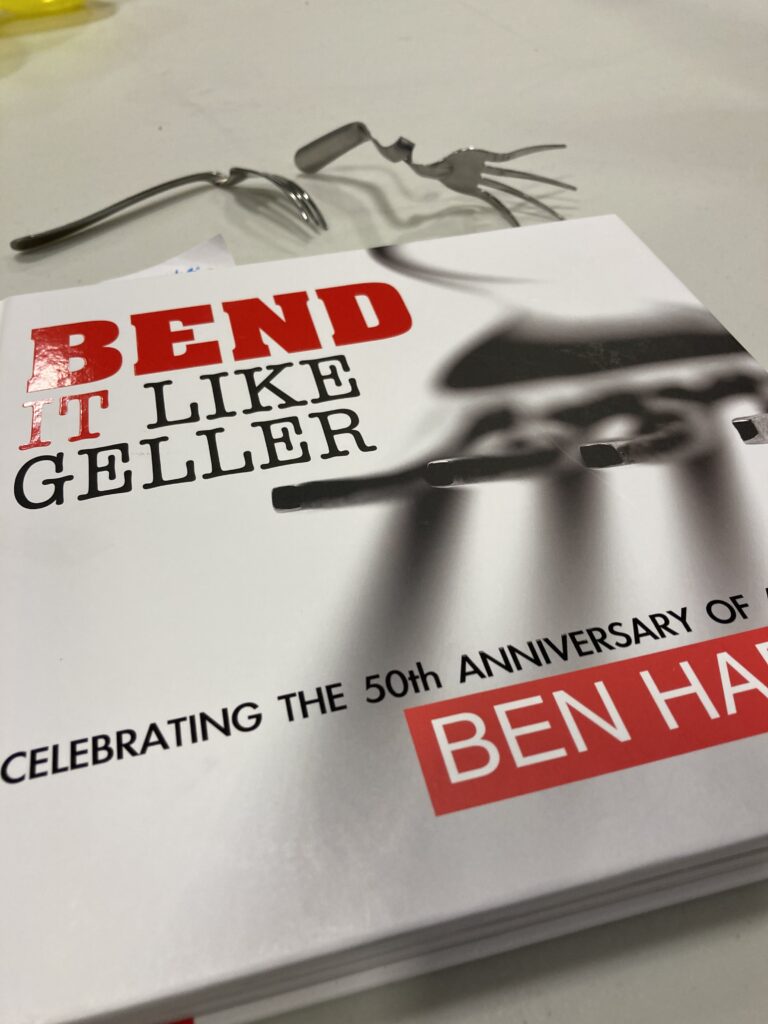
I really liked Ben Harris‘s book Bend it Like Geller! One little note is that my copy is missing a whole line!
There’s a spot for the line, however it looks like somehow it got deleted/removed during the printing process.
Vanishing Inc’s books recently have had some quality control issues like that. I think I’d care less if it was a self published book, and not something put out by one of the bigger magic companies. The JP Vallerino book also had some issues (http://www.magicshow.tips/magic-show-tips/hard-to-read/)
Aside from the missing line, Bend it Like Geller is still a fantastic book!
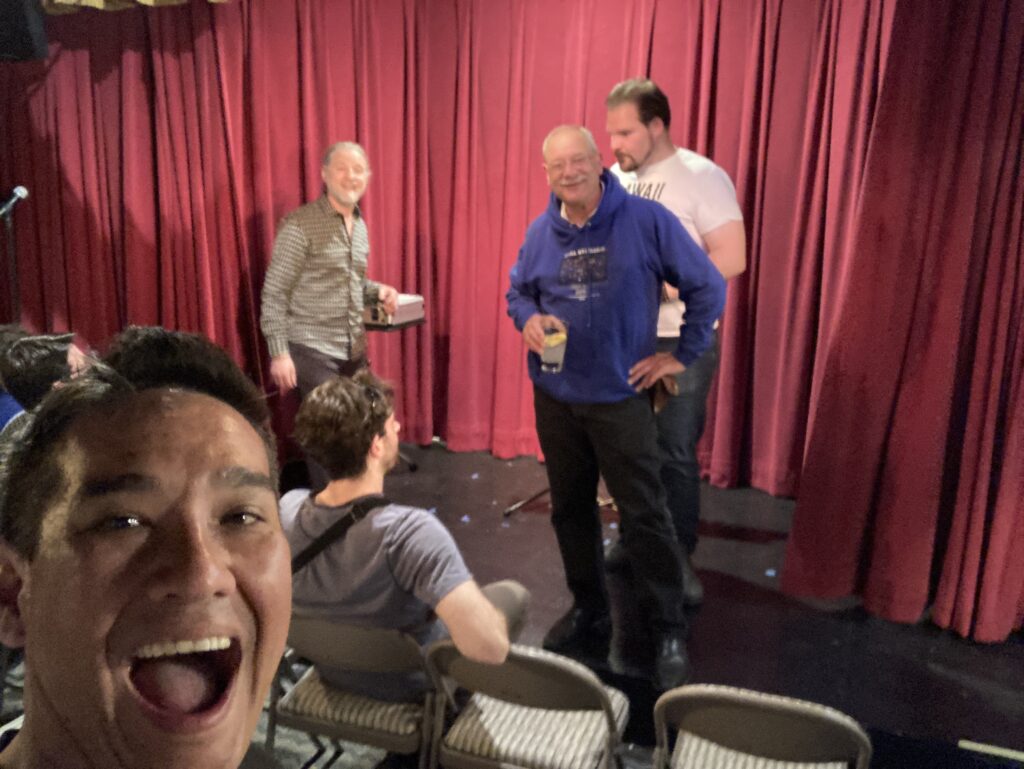
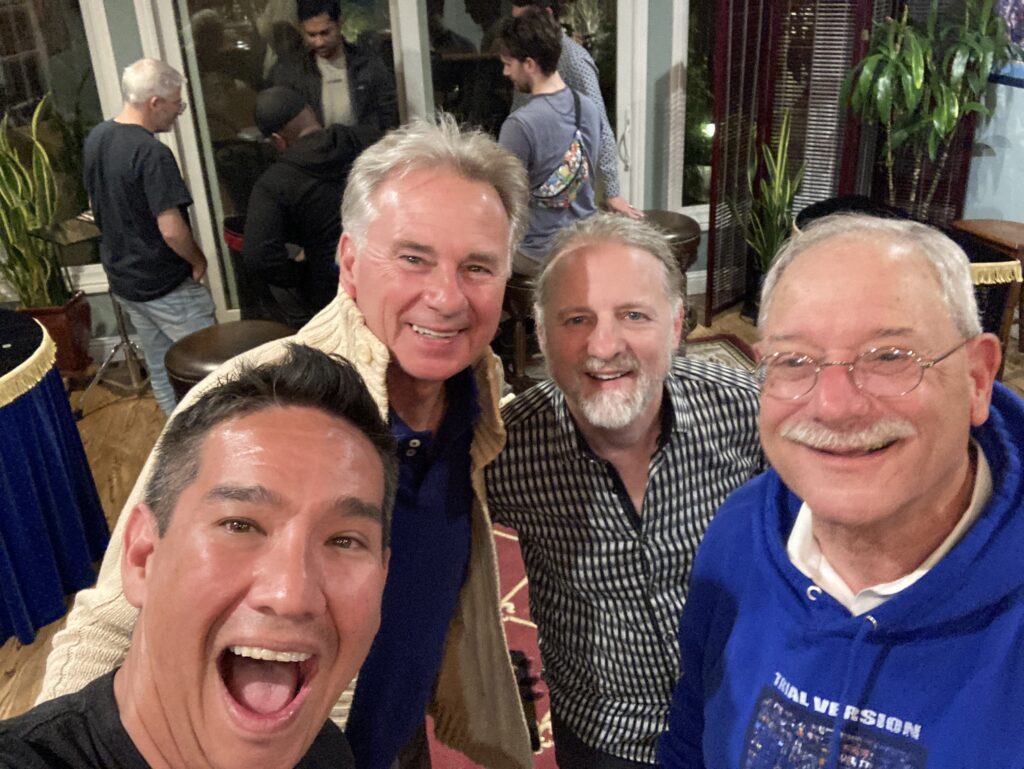
When I was in the Bay Area recently I swung by Magic Garage! It’s soo much fun and Will Chandler is a fantastic host! There are really two parts to the magic garage, there’s the theater and the bar area which is where everyone hangs out and there are two close up tables.
They do shows in the theater, but when I was there one of the magicians was working on their act for a TV appearance. We all watched and gave feedback.
Will has made the Magic Garage more than a hangout, but a valuable resource for magicians!
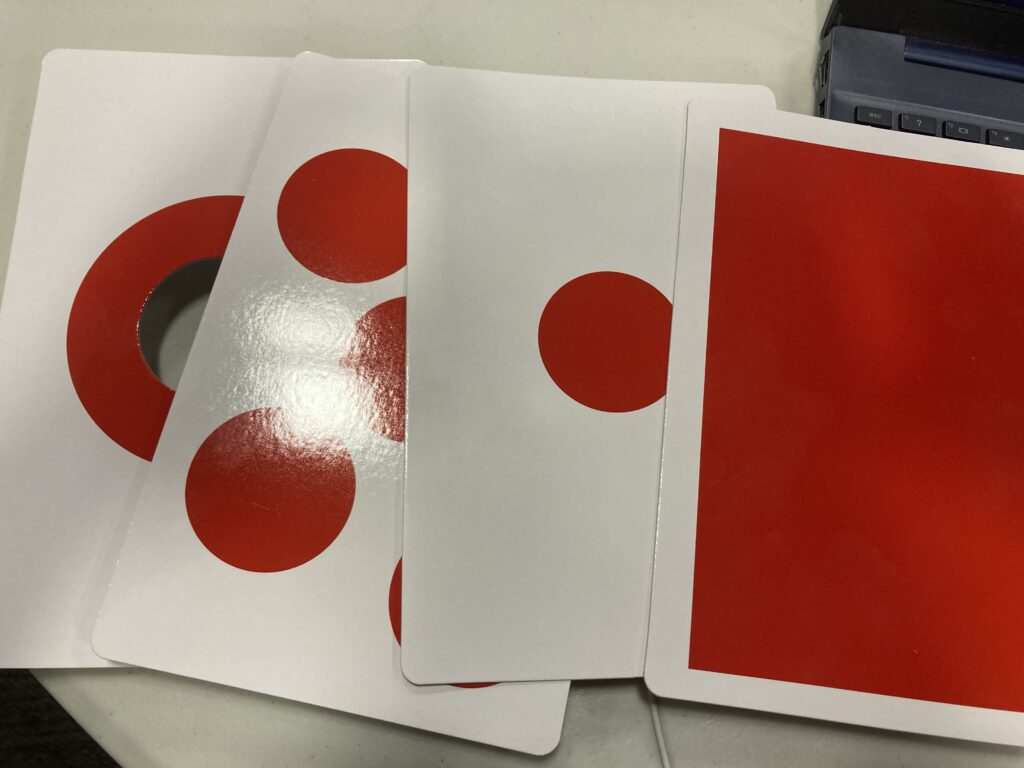
An idea for a presentation of The (W)hole Thing by Daryl came up in my daily writing a bit ago. I managed to fill out the idea a bit and do some writing. While I was in the Bay Area, I had Joe and Misdirections Magic Shop order me a set of the cards in.
One thing I found interesting was that there’s no mention of Emerson and West in the ad copy for the trick. This is essentially Daryl’s routine for the original trick. I’m guessing this is a Murphy’s Magic copywriting thing, as Daryl was pretty good about crediting things.
Here’s Daryl doing the routine:
For the routine that I want to do, I will need to make some custom cards. For now I’m working out the muscle memory for the routine!
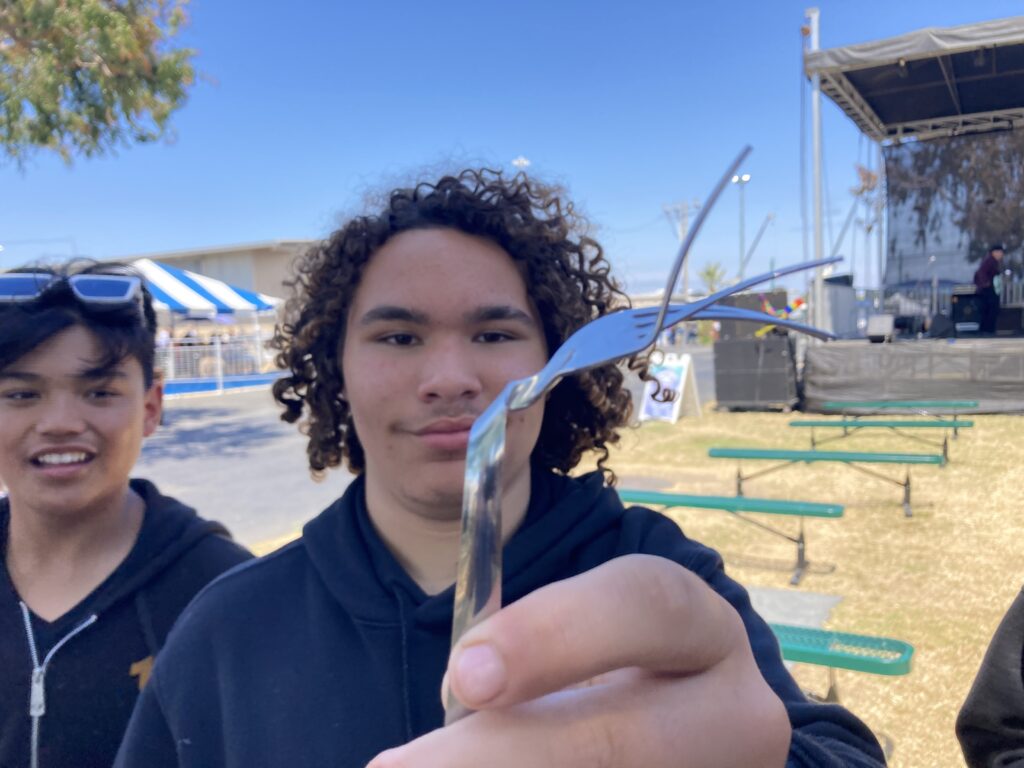
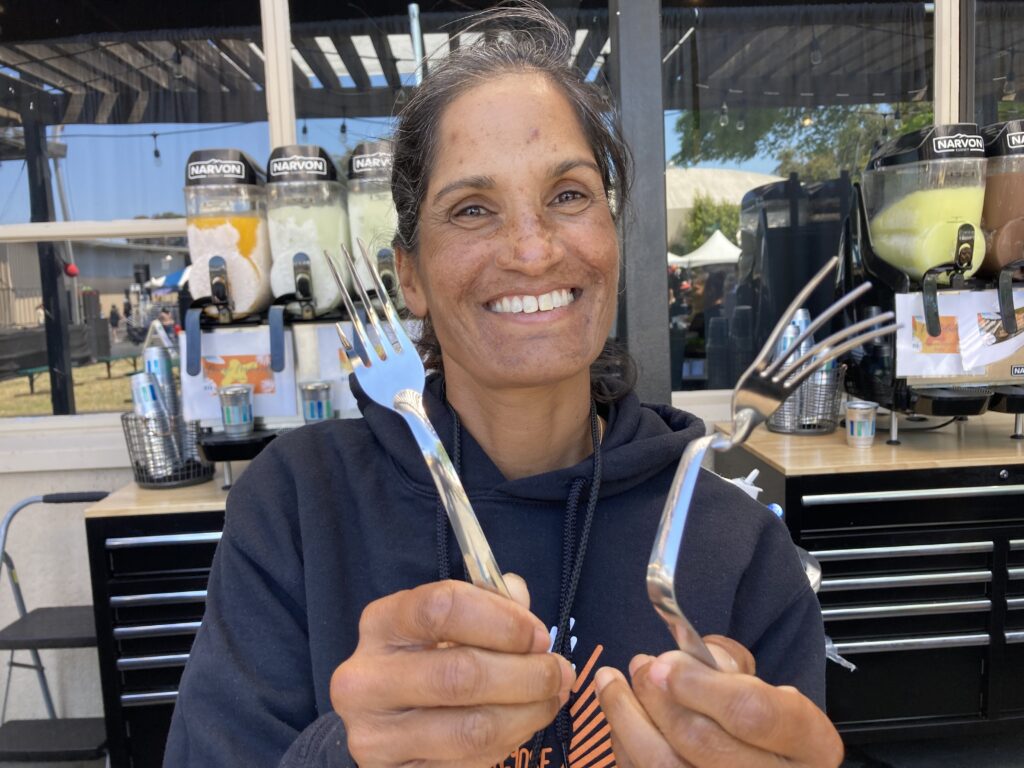
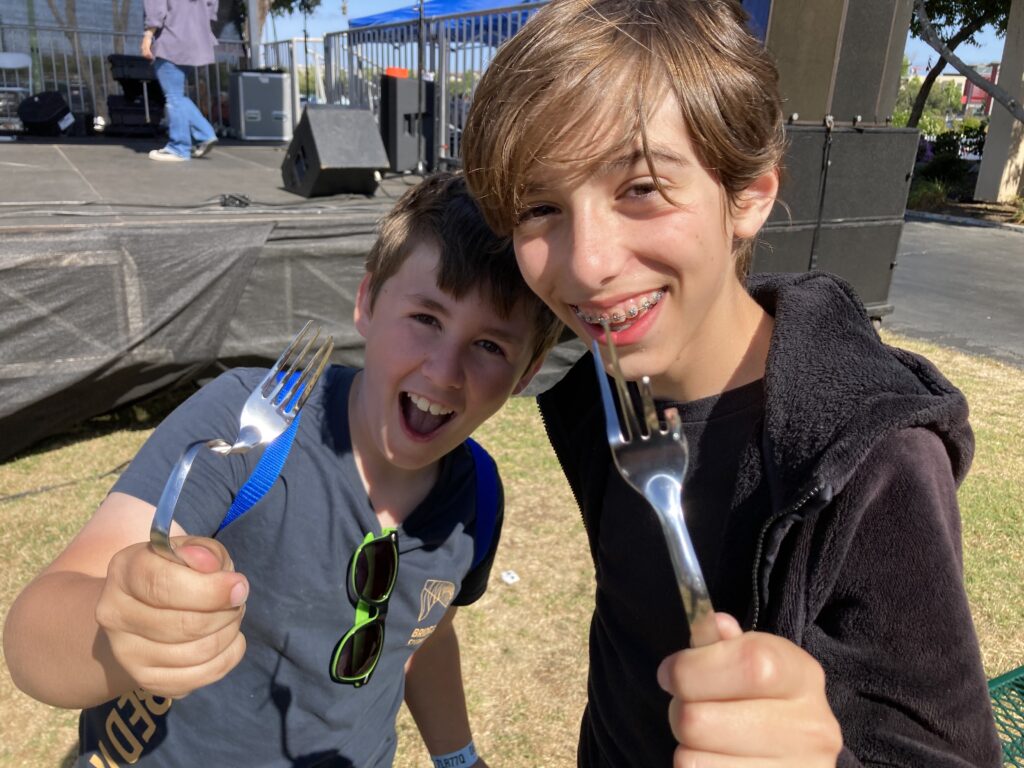
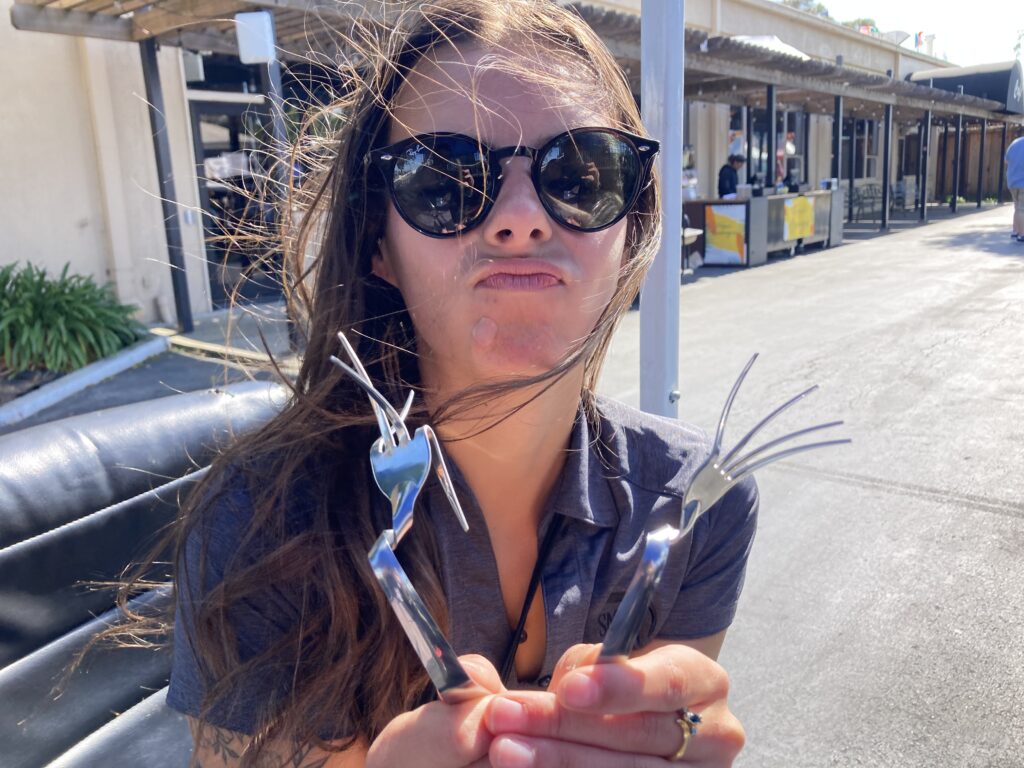
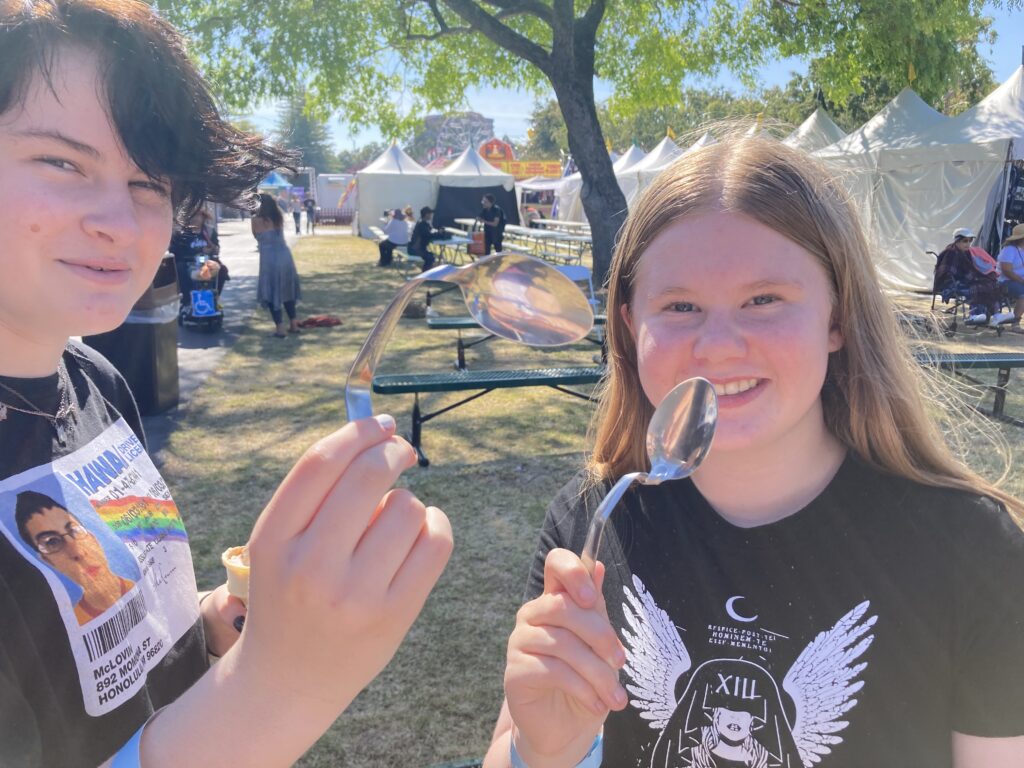
I’m about halfway through Ben Harris‘s book Bend it Like Geller and it’s a fun read. I didn’t know a lot about David Berglas and Uri Gellar‘s meetings and eventual friendship. It’s a fun read, just for the history of spoon bending.
I really liked Richard Busch‘s essay and while I think I got what he was talking about, it might be worth a reread. The Busch Effect as he calls it, got me to add something presentational to my spoon/fork bending.
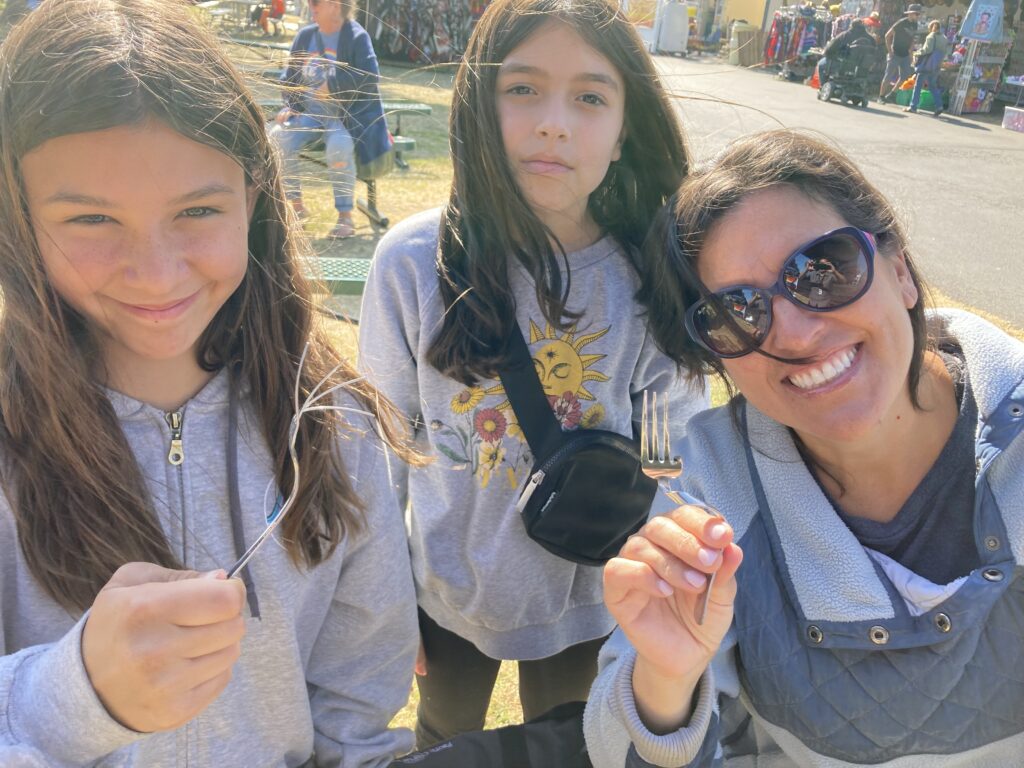
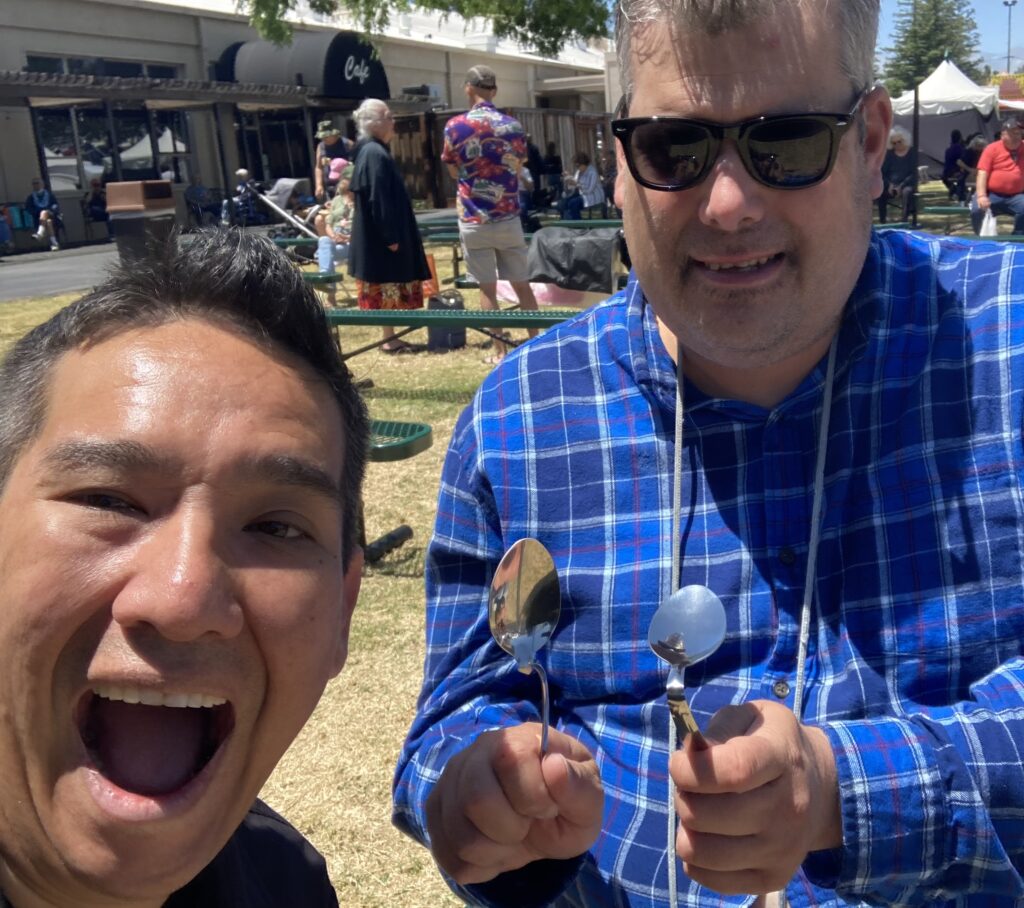
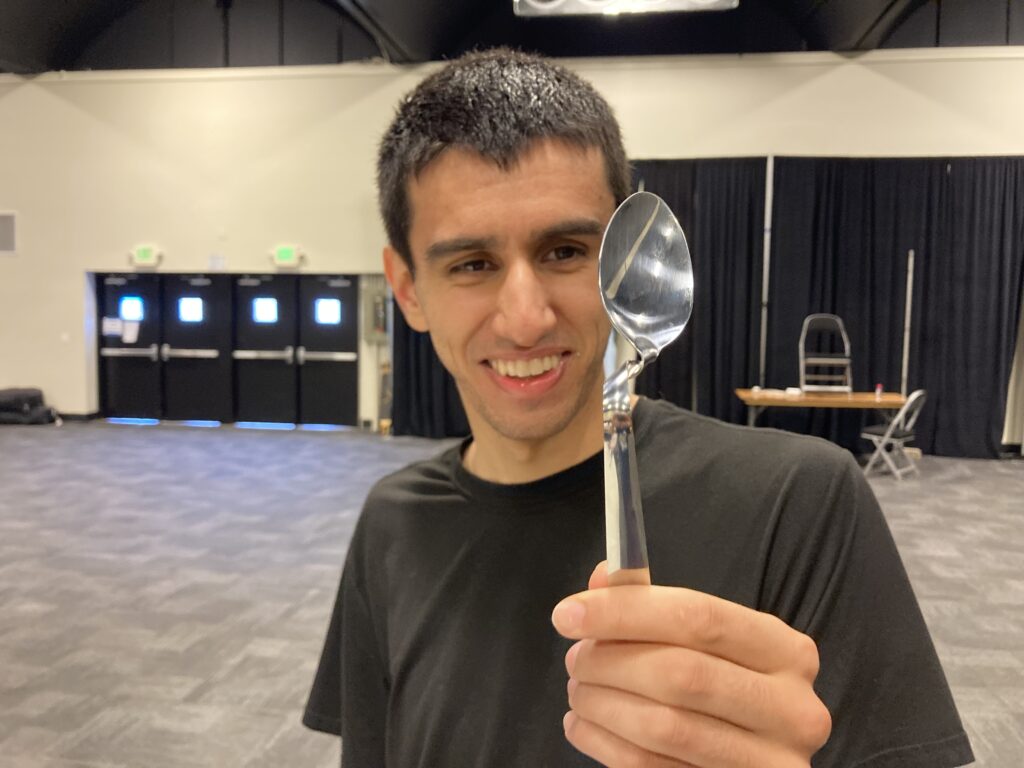
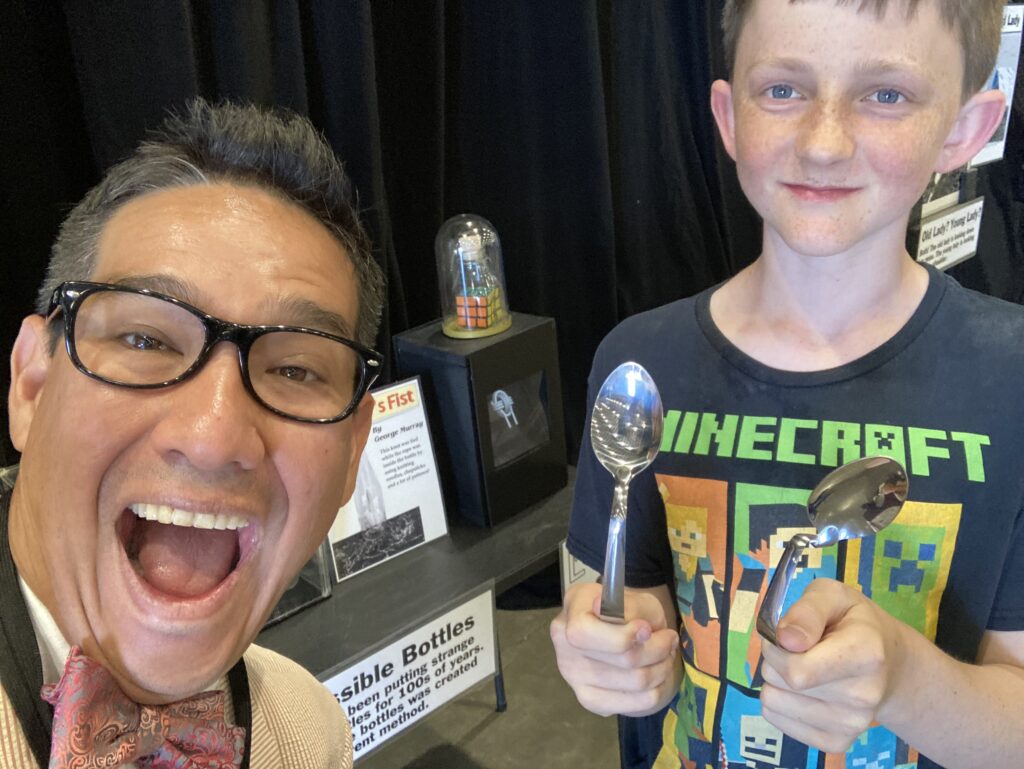
One of the cool things about performing at a fair while reading this book is that I have a lot of opportunities to play with the techniques and ideas in this book.
On a side note, it’s been years since I’ve really played around with spoon bending and since then, I’ve learned to do the strongman stunt of ripping a deck of cards in half. That has given me some good hand strength and putting the bends into the spoons/forks is way easier than I remember!
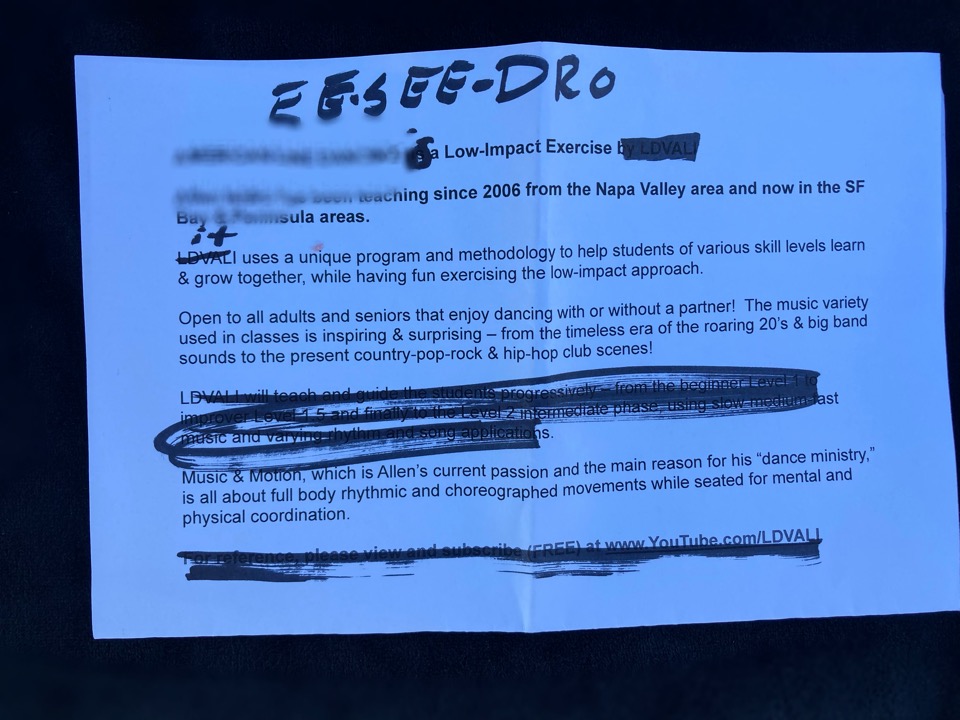
Last week I was doing a stage hosting gig, and I’m amazed at how many acts don’t know the difference between an introduction and a bio. I was frequently handed introductions that were a half of page, or more!
Here’s an example of something I was handed to read:
I had to do some editing to the intro, and it was still a lot longer than it needed to be!
An introduction should be a few bullet points, the idea is to put a little bit of context into what people are about to see…not tell the whole story. You’re going to tell the full story onstage with whatever your act is.
A simple formula for writing an intro is three bullet points:
Where you’re from
Cool sounding accomplishment(s)
What you do
That is then followed by your name. It’s pretty simple. Sure there are reasons to do longer introductions, or more complex ones, however the majority of shows don’t need those.
Also giving tips on how to say uncommon names is super handy for the host/MC.
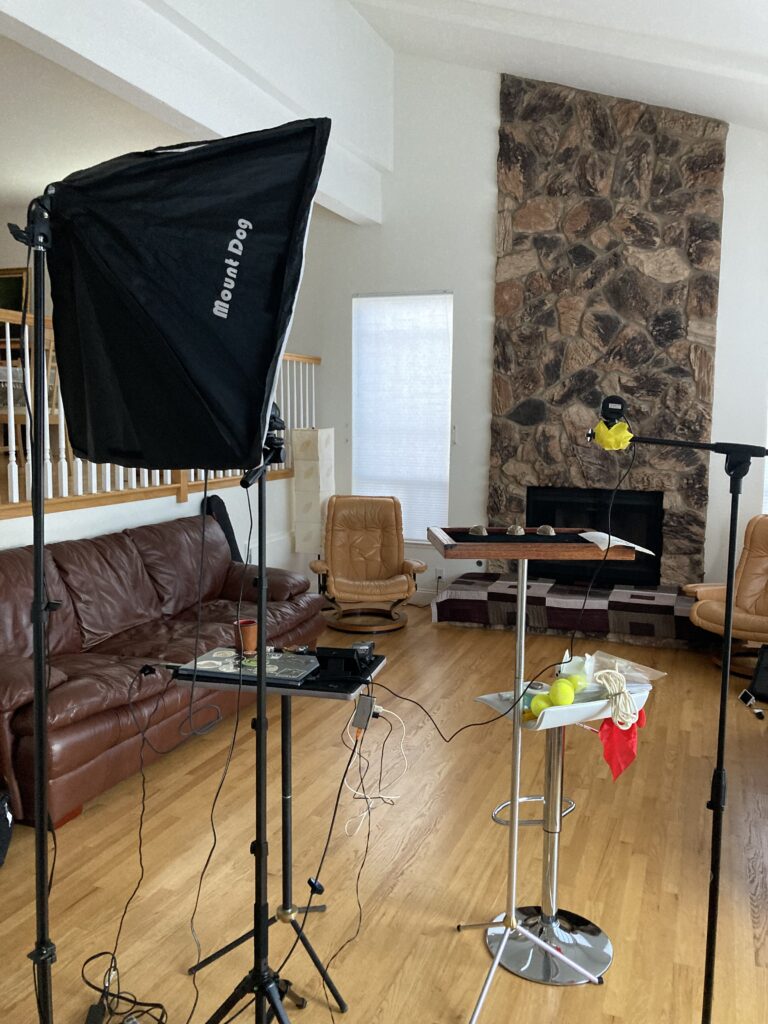
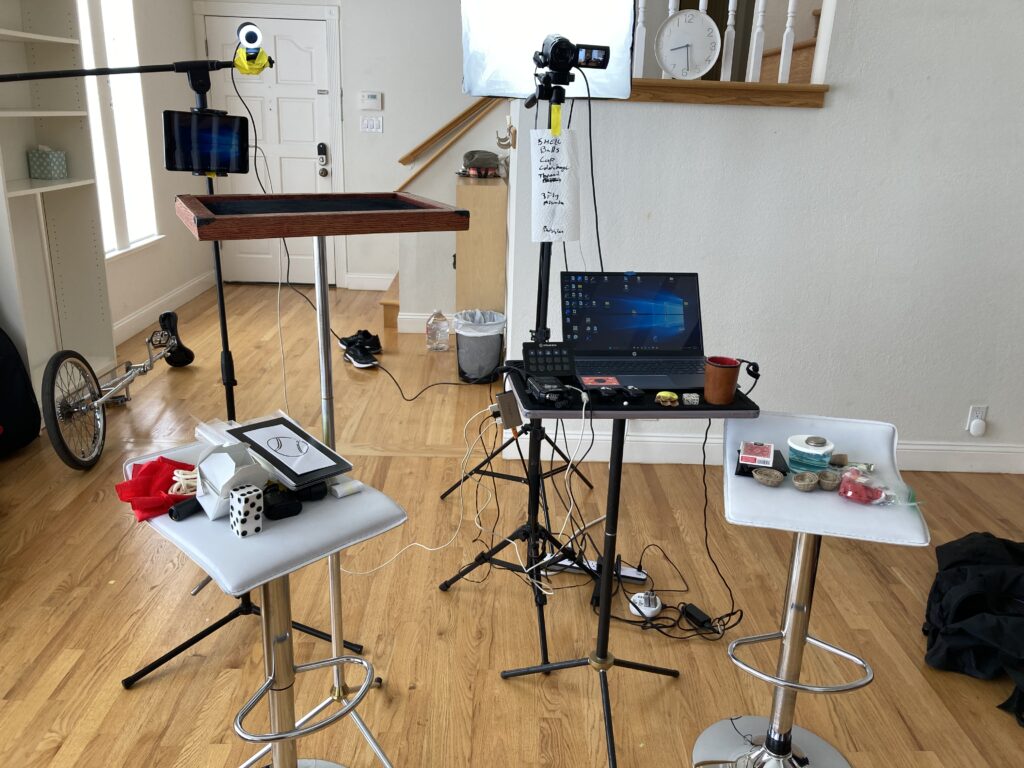
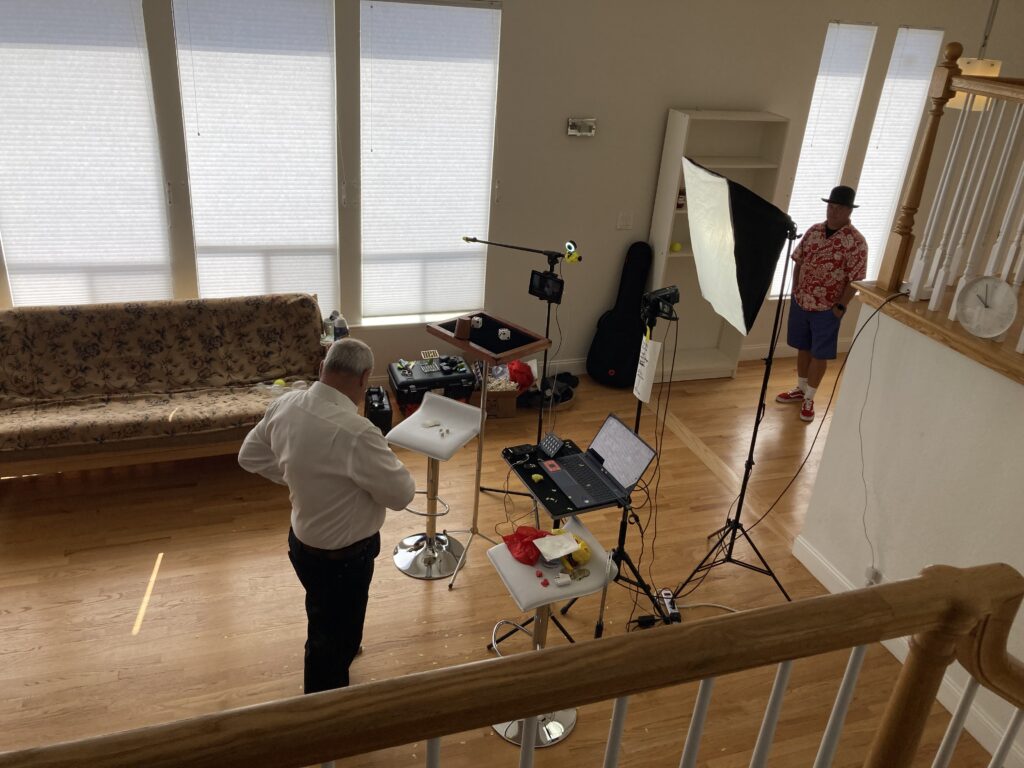
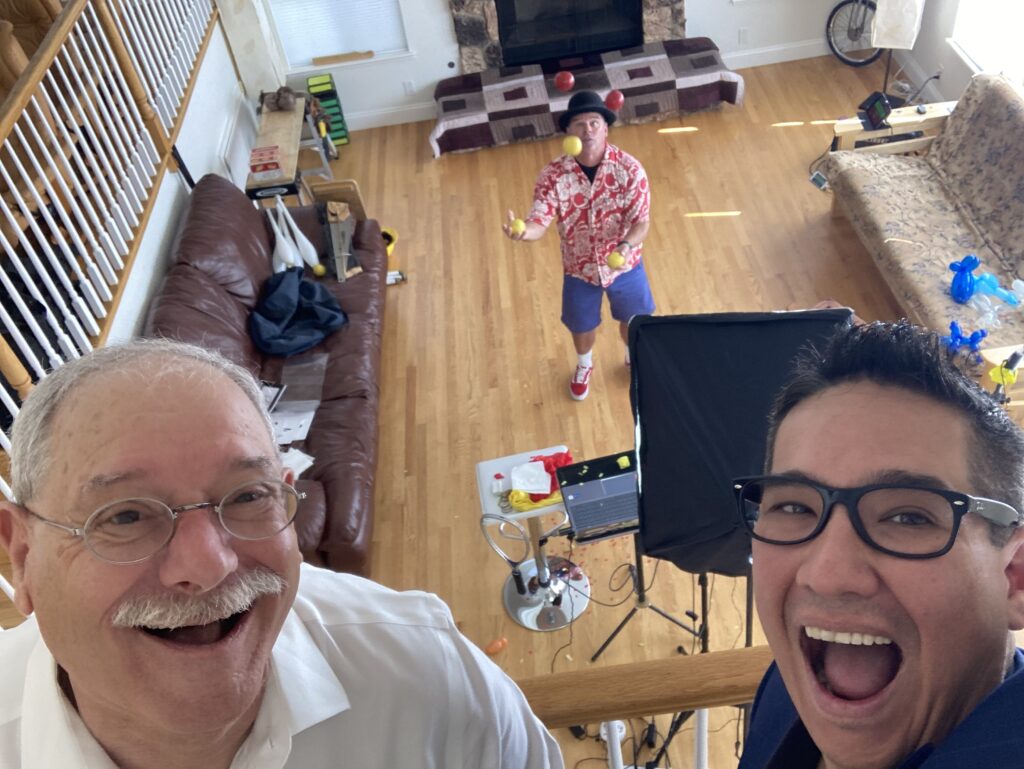
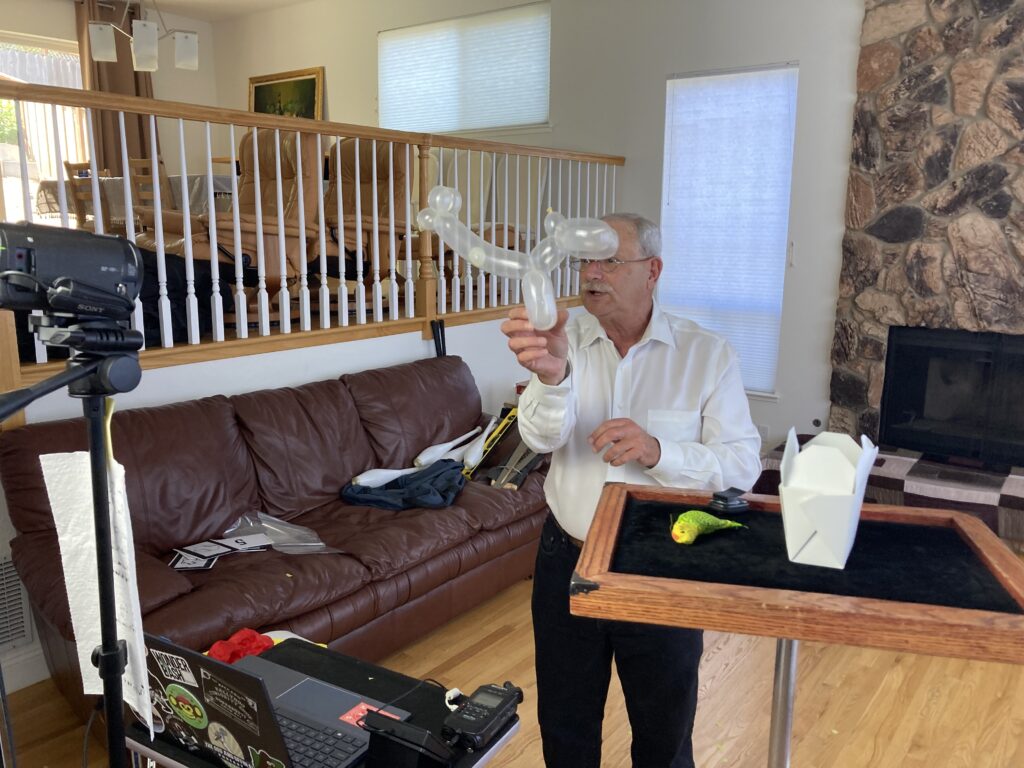
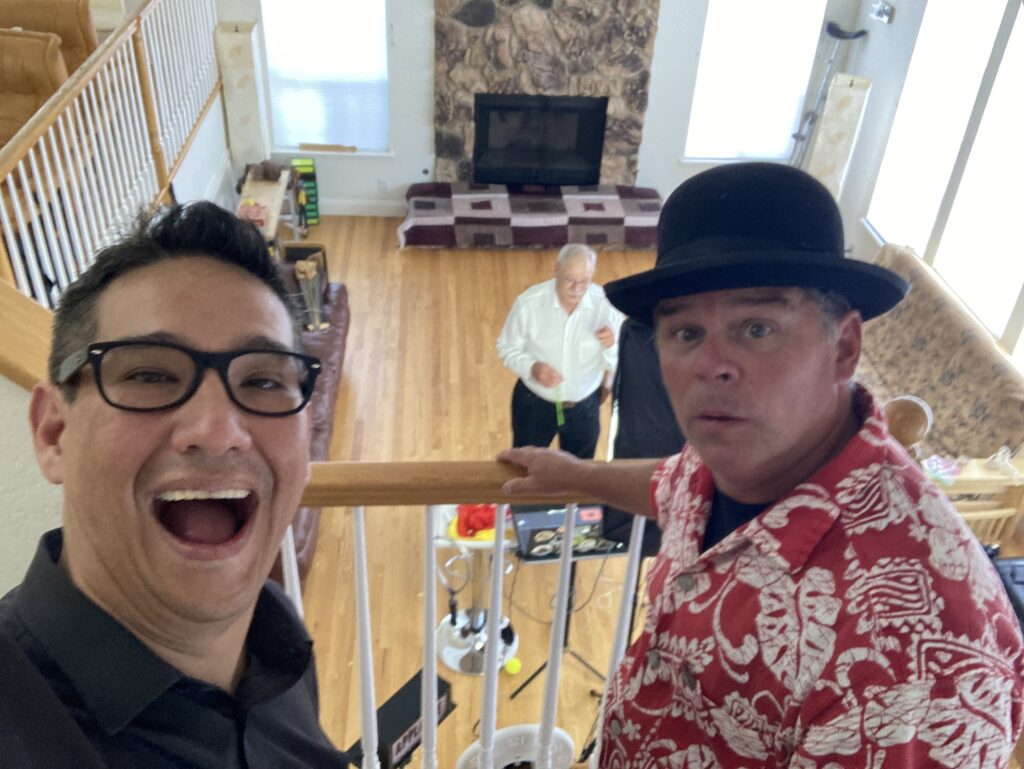
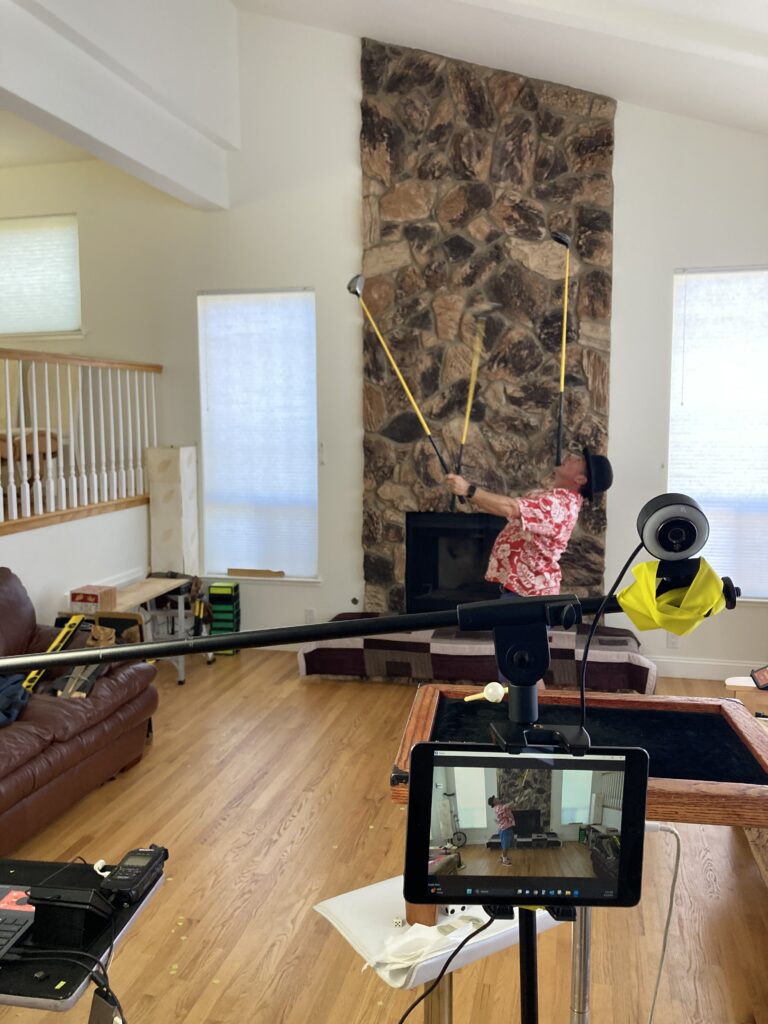
Last week I think I did my final virtual show…well at least the last one with all the technical bells and whistles. This was lower tech, I didn’t use my ATEM mini, or any production software, just Zoom and a stream deck.
This was a fun show because I did it with Roberto the Magnificent and Dennis Forel at an airBnB while we were performing at a different event.
It’s been a year since a did a virtual show and it’s not worth keeping up with how to run the technology if I’m only doing one virtual show a year. However it’s easy to use Zoom as a camera switcher, and simply play music in the room instead of playing it through a virtual cable on my computer. It’s not as slick as using production software, but doable.