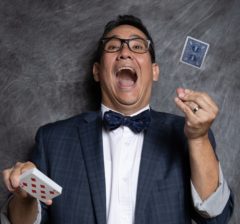
About a month ago, I had an idea for a routine that’s a three shell game sort of routine, but with juggling. You can read about it here. The premise is that a prize is put into a slit in a tennis ball. That ball is then juggled with two other tennis balls that also have something less valuable in them. The person from the audience needs to track the one with the prize, but can’t and end up winning the two lesser value prizes.
I had an idea, what if instead of prizes, I had predictions. Inside the first tennis ball was a piece of paper that said, “You Will Pick This One First” and the second that says, “You Will Pick This One Second” or something like that. That gives a magic (mentalism) payoff for each selection.
To my surprise, when I actually tried this, it fell totally flat. I’m guessing because the trick took the surprise turn, and the bonus effect wasn’t expected…and probably not that good.
Testing ideas in front of the audience is part of the creative process for me. Sometimes it hits, and sometimes is misses!
-Louie
Tag: stage magic
Outdoor County Fair Hay Bale Seating Challenges
It’s been a while since I had hale bale seating for my audience.
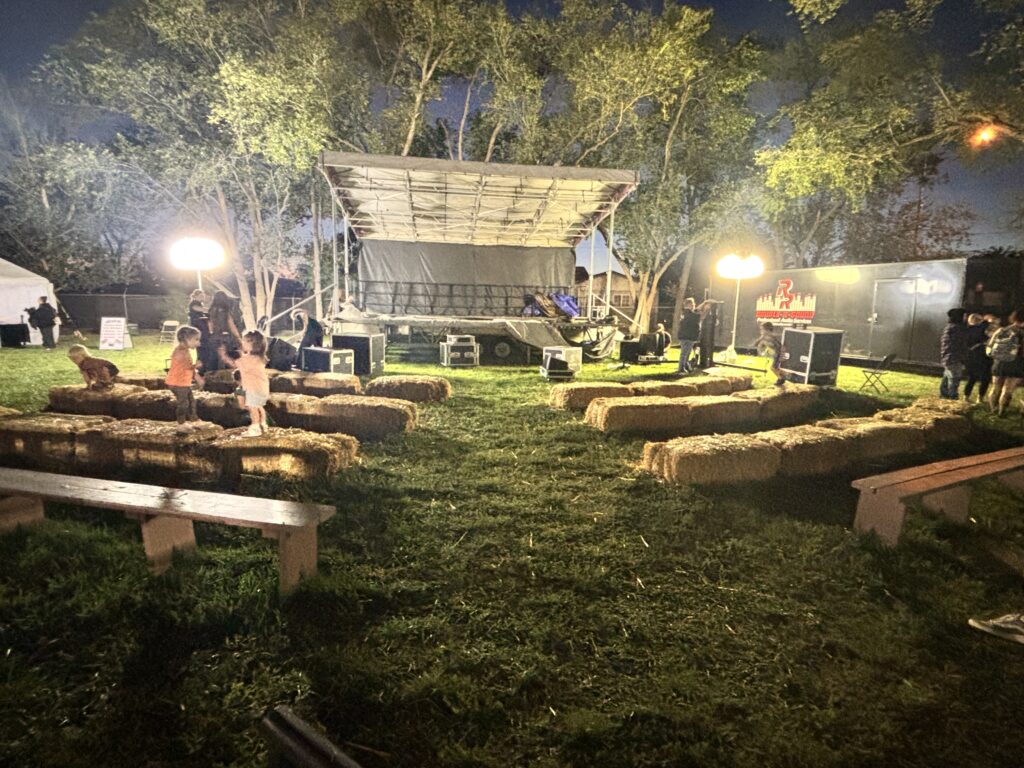
Yes, I know these are straw bales, but no one calls them that, so I’m going to refer to them as hay bales. There are a lot of challenges that come with the audience sitting on hay bales. First, they’re pokey, so not fun to sit on if you’re wearing shorts. Next, they give kids stuff to fidget with, which is a distraction. Finally, kids and parents look at them as a jungle gym, and they let their kids play on them and generally destroy them.
Parents will let kids run around, jump from bale to bale, and that’s not conducive to building a crowd. People don’t want to make the kids stop playing, so they sit in the bleachers in the back, which isn’t the best scenario for engagement of the show.
When I noticed this, I tried something. When I got on mic, I said, “Just a heads up, now that I’m on the mic, my insurance doesn’t allow me to have you all play on the hay bales. I’m sorry, but once I start talking on the mic, it’s now my show, and if anyone falls off, it’s on my insurance. Once the show is over, it’s the fairs insurance, and you can jump all you want; it’s not my problem, but unfortunately, my insurance requires me to have you stop now or we can’t start the show.” Once I said that, all the parents got their kids and made them stop. That’s compared to simply asking them to stop because the show is starting. In the past, when I’ve done that, I think people think that since the show hasn’t started, I’ll just let them continue to play until the show starts and the rate of people stopping their kids from playing was virtually none.
This is the classic thing where if you give people a good reason why to do or not do something, you’ll get much higher compliance.
-Louie
Evaporation Magic Trick – Sports Bottle
The Evaporation trick was created using a Sunny D bottle, however that style of bottle hasn’t been made (that I can find) for a while now. I’m switching the standard bottle to a “Sports Bottle” type of bottle and working on the first batch of them to ship out to Murphy’s Magic, then available through most magic shops around the world.
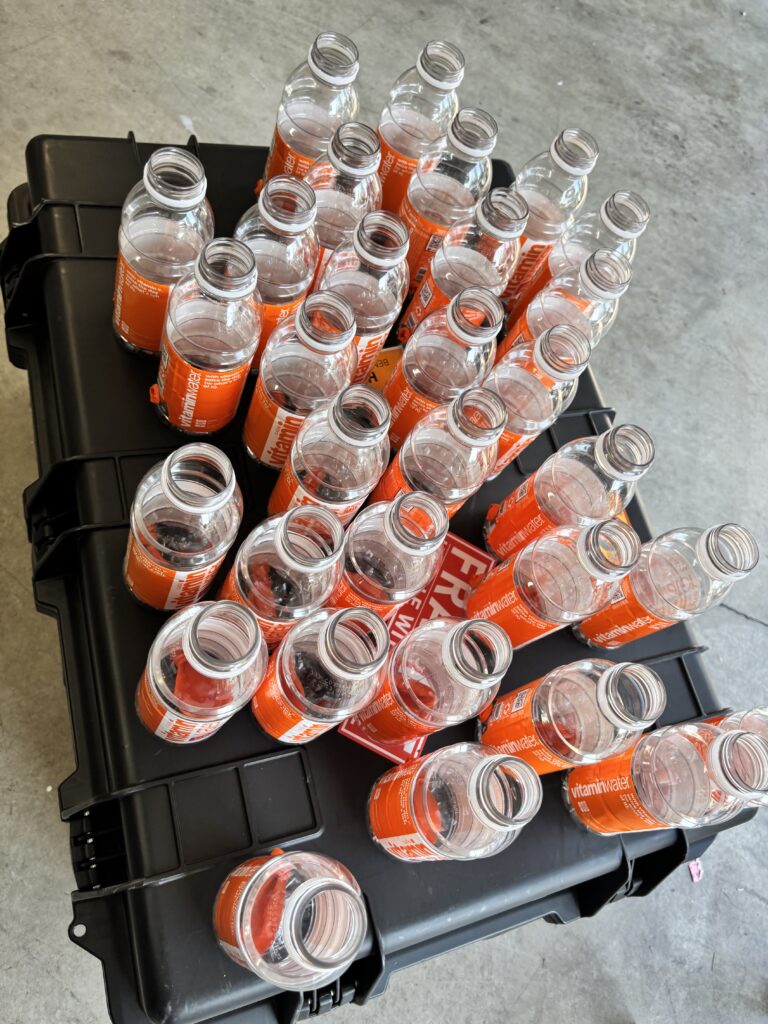
Nothing has changed about the gimmick or prop, except for the bottle.
-Louie
The Best Way to End a Card Trick
When doing a card trick, the ending is the most important thing. Here’s three options that I’m playing with:
Each has something going for it.
Option 1: quick and direct
Option 2: BIG
Option 3: a gag, then a bonus trick
I posted this video on my social media and everyone liked number three the best. One thing I didn’t mention was the conditions; this was a stage piece for large groups.
After trying all three of them, the one that played the best for me was number 2!
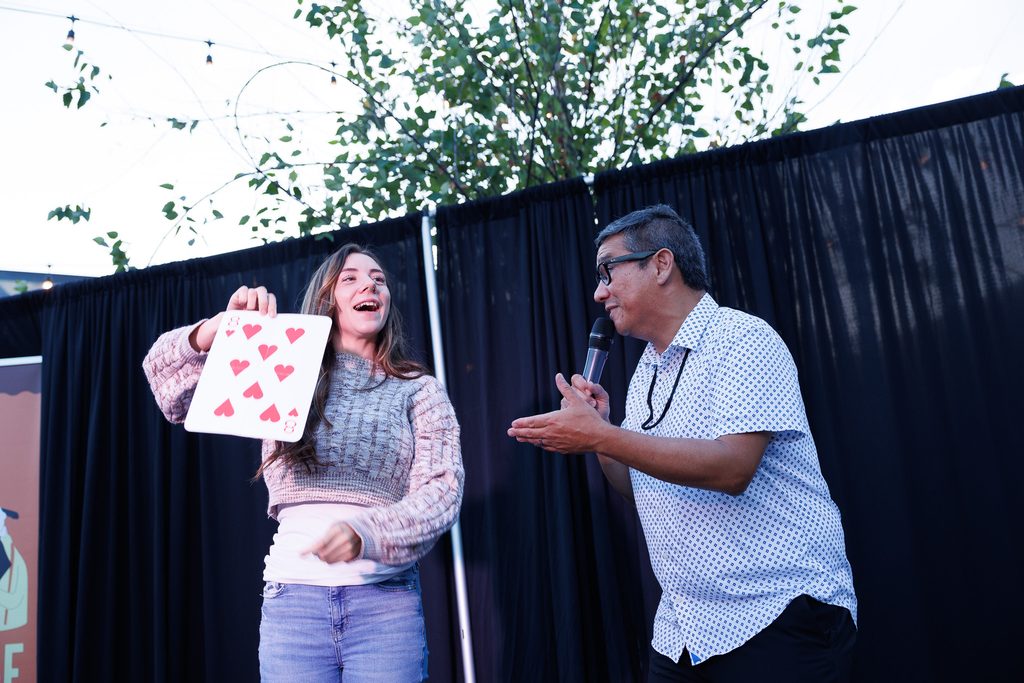
The size of the reveal, I think, made a huge difference. Also, when the folded card comes out, you have a little bit of build as it’s being unfolded.
I think the problem with option #3, which is the 52 on 1 card that turns into the selection, is that the gag is too small to be seen from the stage, and everyone has to take my word for what’s on the card. Also, you have a gag and a magic trick that are pretty close together. The changing of the card, I think, doesn’t hit as it should. I think to the audience it feels like the card just has the 52 on 1 on one side and the selection on the other, and I just turn the card over. Yes, I do show the back of the card twice; however, I don’t think the audience processes that or remembers that.
I’m glad I tried all three and was surprised at the result.
-Louie
Chattering Teeth by Doug Malloy and Terry Seabrooke
Last year, I picked up a Chattering Teeth by Doug Malloy (routine by Terry Seabrooke). This is Terry’s routine that I first saw in the mid 1990s on a VHS tape of his called The Vidiot and the basic routine is also in his lecture notes that are still available from Magic Inc for about $6.
I thought the fan in my unit was broken, it had two AA batteries in it, and I changed it to a 9v battery, and it started whirring…but was super loud! I changed out the fan and here’s a before and after video:
I thought the unit I had was unusually loud when I got it, but after posting that video, I have the impression that all of them were pretty loud! This isn’t a knock at the maker, it was made with 1990s technology, and it appears Doug fabricated the fan from scratch!
When I changed the fan, I also added a remote control to it. The remote is two channels, so my remote control chattering teeth and the fan can run off a single remote contol!
Here’s what it looks like:
I’m glad I finally got around to updating the Chattering Teeth prop! Working on this set is actually a stepping stone for a version of the trick that I want to build for myself.
-Louie
National Magic Vanishing Birdcage!
This vanishing birdcage that I just added to my collection is pretty cool!
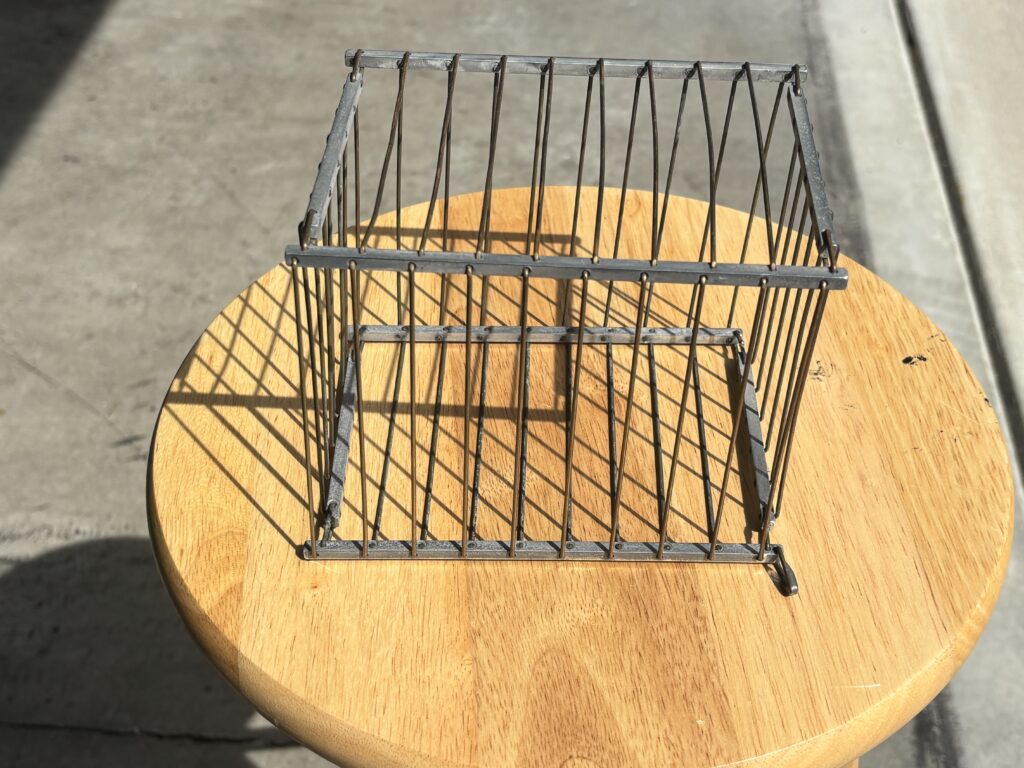
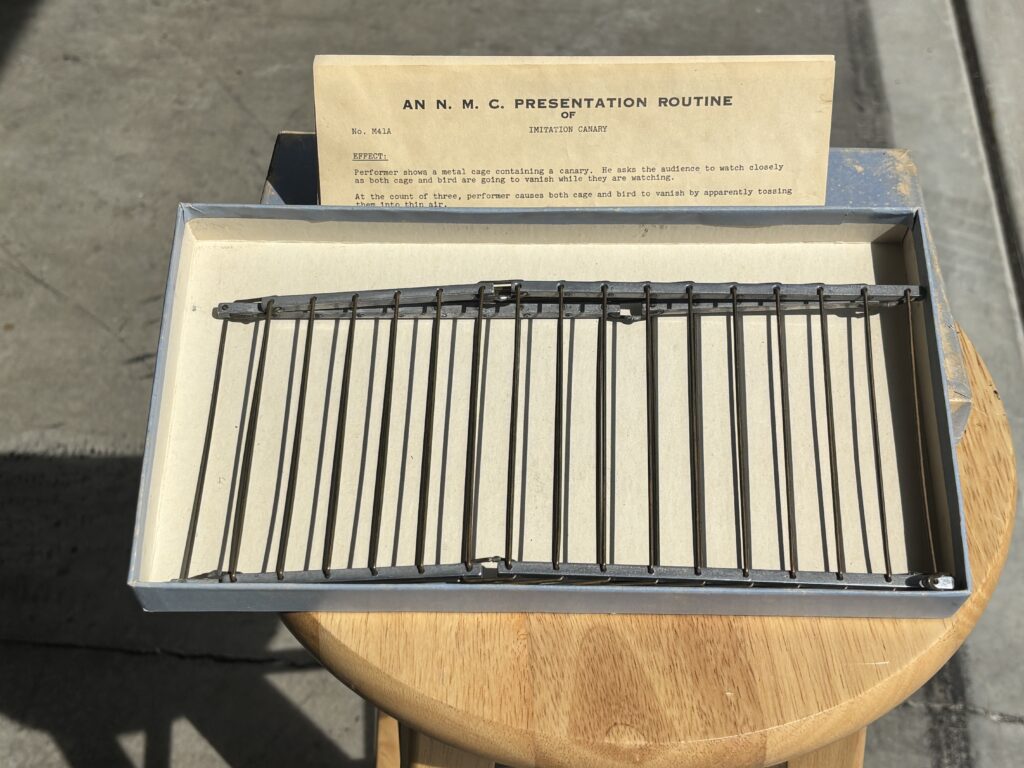
This is my first older cage that has come with the box! However, what makes it more interesting is the pull connector and the corner hinges. Here’s a close up of them:
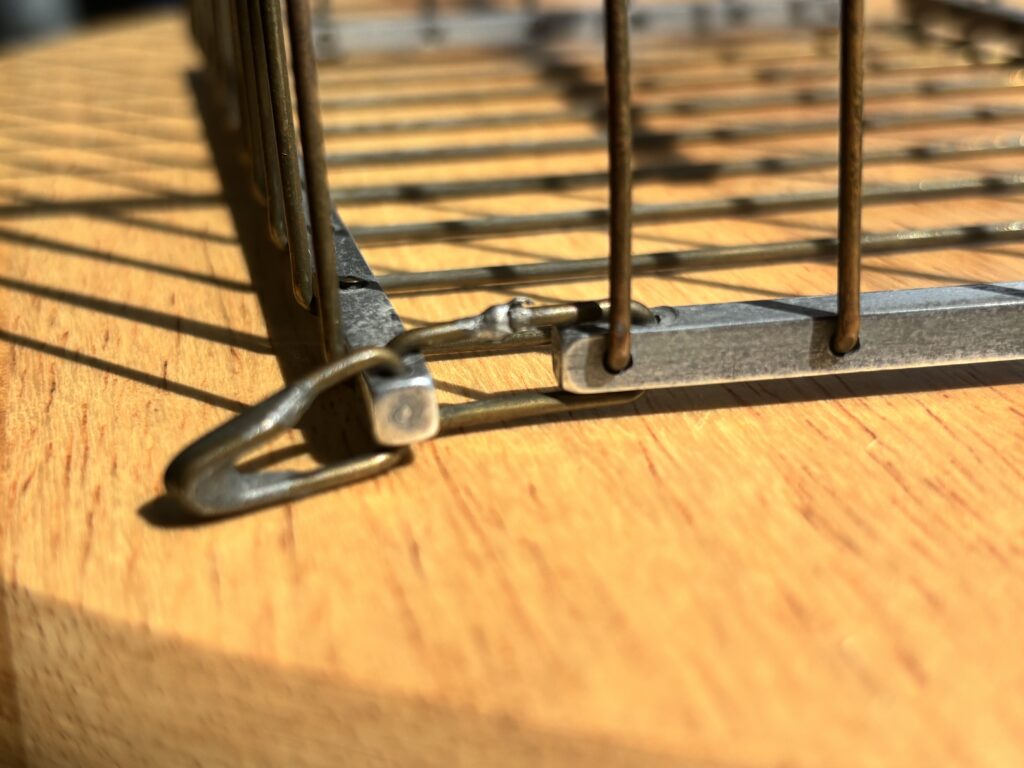
Let’s start with the pull connector, it’s teardrop shaped instead of the normal rectangle. This shape, in theory, will have fewer snag points than the rectangle. However, what I find really fascinating is the corner hinges. They go all the way around and aren’t “U” shaped. This should make a stronger hinge, as they are frequently broken on older cages, but this has to be a big pain to make!
I’m very curious about whether this cage was an early cage where they were made to last, but then they stopped doing them because they were easier to manufacture if they did things like make the corners “U” shapes. Or maybe this cage was a custom job to make it more reliable and durable?
I’m glad to have this added to the collection!
-Louie
Make Money Magic Work Onstage!
The Juggling Monte routine that I’m working on has taken another step closer to reality. One of the challenges that I identified early on was how to make a two dollar bill visibly different from a one dollar bill onstage. The solution was to write “lucky” on the back of it. Originally I thought writing it in pink, sparkly ink would be good, however I just made one with white ink with a black border and I think it looks great!
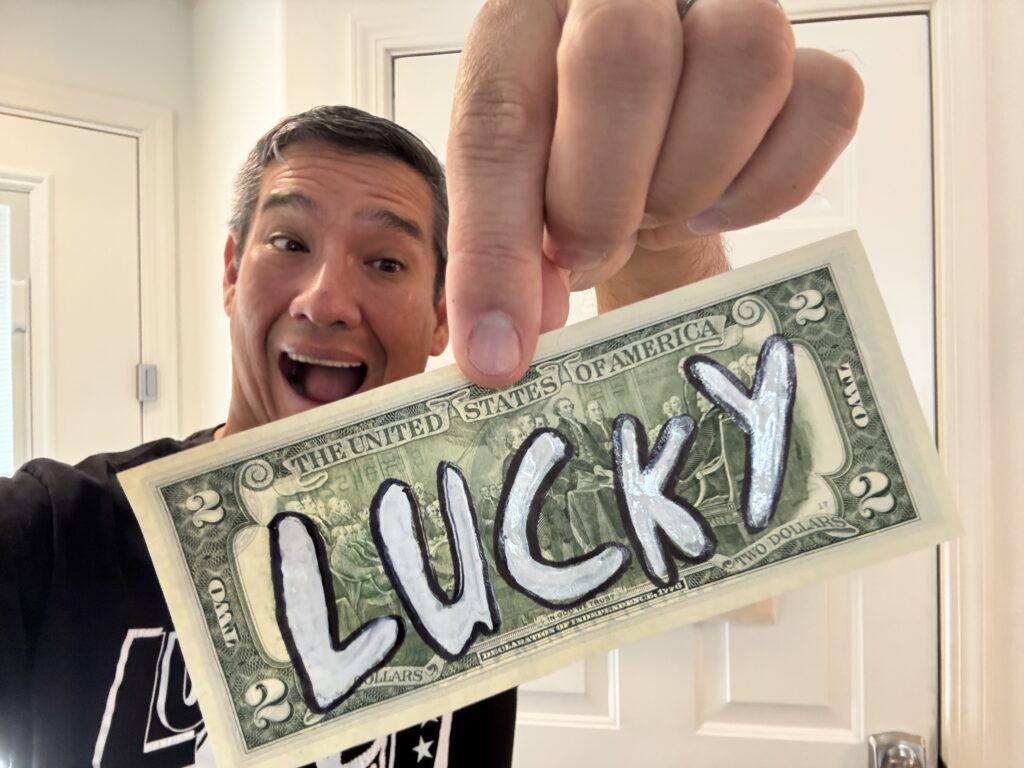
There’s not much to making this prop. I took a white paint pen and wrote lucky on the bill. Once it dried, I used a black Sharpie to do the outline. Finally, I took some matte clear spray paint and gave it a light coat to seal it. Hopefully the sealant will protect it from dinging or chipping.
I still need to write some jokes and figure out the routine, but it’s off to a good start. We’ll see how it actually plays for an audience.
-Louie
How To End a Card Trick…
The ending to a card trick is one of the most important things. Does the ending have punctuation, or is it just “meh”? A card trick routine that I’m working on ends with a prediction of the selected card. I’m not going to get into the routine in this post, but just the ending. Here are the three options:
Option 1: direct and clean
Option 2: has a little bit of suspense
Option 3: has a gag, then a trick
I think each has merit, but ultimately I’ll have to go out there and try all three to see which plays best.
-Louie
ProMystic Inception Repair!
A few weeks ago, I wrote a post about a magic prop that broke. That prop was ProMystic‘s Inception, so not a prop that can be easily fixed. I’ve had this prop for probably close to a decade, and this is the second time I’ve sent it to them; the first time, I cracked the screen. That’s a long life for a prop that performs as much as I do!
I just got my unit repaired until back from ProMystic and it works great!
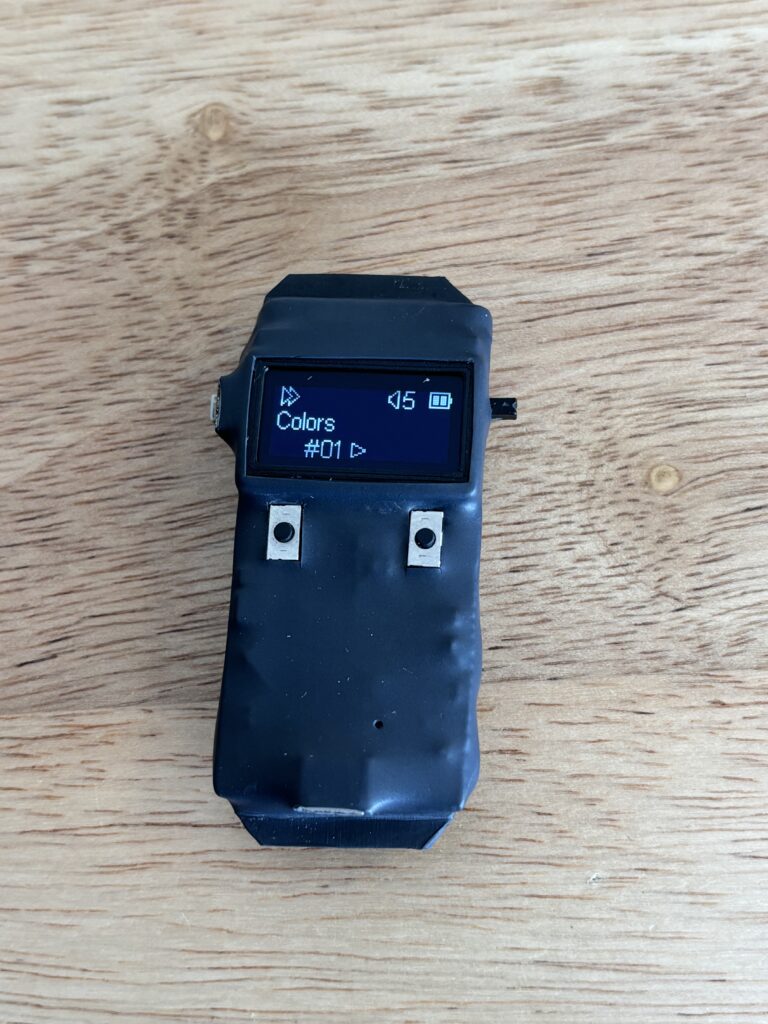
They do a great job servicing their items, and the fix plus shipping was super cheap…and fast! It’s always great to have people who make products that can provide service for them after the initial sale. Many magic manufacturers will just tell you to buy a new one, which I understand; sometimes it’s cheaper/easier to replace than repair. It’s always a bonus when when I can just have the existing one fixed!
-Louie
How to Make it Play Onstage
The last couple of days, I’ve written about my idea for a three shell game style routine to be done onstage. The basic premise is that the prize is put into a tennis ball that has a slit cut into it and it’s juggled with two other balls and the audience has to follow the one with the prize.
You can read about the idea here and how I solved one of the problems here.
A challenge that I didn’t think about with using a two dollar bill and a couple of one dollar bills is that they are visually similar when viewed from a distance. The different formatting of a five and higher value bill looks different, however a $1 and $2 have the same layout.
How Can They Look Different From a Distance?
This is the challenge, making the trick play to the back row. Here’s an idea for the solution to that: What if on the back of the two dollar bill in bright, sparkly ink/paint I wrote “LUCKY”? I could introduce the two dollar bill and say it’s my lucky one, then turn it around to show the word on the back. That visual difference would make it play further back in an audience.
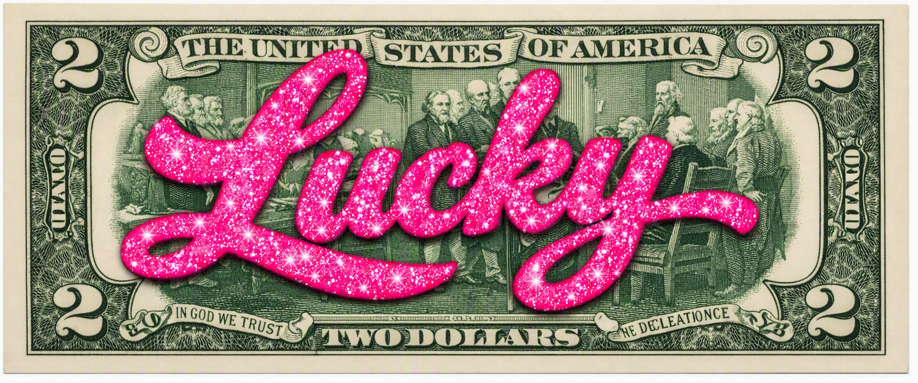
When I create routines, I always try to think about the back row!
-Louie