Lately I’ve been thinking about how to add more production value to my show. One way that I know that my show is lacking is in lighting. Unfortunately I know nothing about theatrical lighting. Last night I worked in a theater and asked the lighting guy for some notes. His main thing was that I … Continue reading “Ask For Help!”
Lately I’ve been thinking about how to add more production value to my show. One way that I know that my show is lacking is in lighting. Unfortunately I know nothing about theatrical lighting. Last night I worked in a theater and asked the lighting guy for some notes.
His main thing was that I should light by bubble act from below as well as above. It’s make them “pop” visually more to the audience that is seated below me. That’s great advice, and next time I’m going to add that to my show.
The point is, if you don’t know how to do something, ask someone who does. Don’t just ignore it. If by asking someone for help makes my show 1% better, it’s totally worth it!
When I was starting out performing in comedy clubs when I was 21 years old, a piece of advice I was given was, “whoever gets the most stage time wins”. I totally agree with that, the more you are working, the better you get. It also means that you’ve had more that’s gone wrong and … Continue reading “Stage Time is Gold!”
When I was starting out performing in comedy clubs when I was 21 years old, a piece of advice I was given was, “whoever gets the most stage time wins”. I totally agree with that, the more you are working, the better you get. It also means that you’ve had more that’s gone wrong and you’ve figured out how to get through it.
One of the first markets I really started working 20+ years ago was the retirement home market. The nice thing about these gigs is that they take place during the day, and they have a constant need for entertainment. You can get a ton of flight time with your show in this market.
I don’t do many of the shows in the senior market anymore, simply because I’m too busy performing in other markets. However I recently just did three shows in one day on a single campus for a retirement community. It was fun, and those three shows added up to some pretty decent money.
If you’re interested in performing in this market, I wrote a book about it. This book is called How To Perform For Seniors.
This book takes you step by step through marketing the show, booking the show and actually doing the show. If you’re just staring out, or looking for a place to break in a new routine, this is a great market to work!
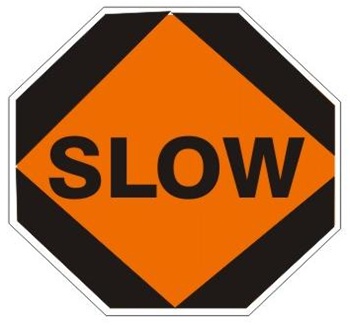
Whenever I’m critiquing myself the most common note I have is to slow down. What on stage feels like 5 seconds is probably closer to two on three seconds. Time seems to drag on when you are in front of a room full of people that are staring at you. Over the summer I worked … Continue reading “Slow It Down…”
Whenever I’m critiquing myself the most common note I have is to slow down. What on stage feels like 5 seconds is probably closer to two on three seconds. Time seems to drag on when you are in front of a room full of people that are staring at you.
Over the summer I worked at a festival with another magician and each time he did a trick, he only displayed it for a second. Here’s an example, he did a Blendo type trick where multiple handkerchiefs turned into one. However once they became one he only showed it for about a second before he put it away.
The audience needs time to process what has just happened. By displaying for only a few seconds and then putting it away, they don’t get to appreciate what has just happened. You need to hold up the magic, and PAUSE, then put it way. That pause need to be long enough for someone to look at the final picture, then mentally compare it to the initial picture in their memory to understand the final result.
The first magic book I ever got was The Amateur Magician’s Handbook written by Henry Hay. The title is a little bit misleading as this really isn’t a good book for beginners. This book teaches you some pretty hard stuff . It also teaches some pretty old techniques that aren’t really used anymore. Things like … Continue reading “Be Your Worst Critic!”
The first magic book I ever got was The Amateur Magician’s Handbook written by Henry Hay. The title is a little bit misleading as this really isn’t a good book for beginners. This book teaches you some pretty hard stuff .
It also teaches some pretty old techniques that aren’t really used anymore. Things like back palming multiple coins, or using edge grip to produce multiple coins. It’s not that these are bad techniques it’s just that they aren’t modern.
One of the chapters in later editions of this book is on using video to practice. I was talking to a magician friend and he mentioned one of his mentors told him he was practicing in the mirror too much. He needed to not watch himself practice. He learned to work to himself in the mirror, but he needed to be able to do without seeing himself.
That’s where video comes in, you can see what you are doing, but not in real time. Mirror work has a time, but watching and taking notes in video is a helpful step. I’m working on something new and it looks great in the mirror. Take me away from the mirror and my right arm is stiff, and unnatural. The problem was in the mirror I’m reacting to what I’m seeing and making my right arm natural. Without the mirror, I wasn’t getting the feedback, and the result was a unnatural movement.
TLDR: step away from the mirror and watch yourself practice on video.
I’m a big fan of getting new ideas for magic tricks in front of people as soon as possible. The sooner you can get something new in front of an audience, that sooner you know if it’s good or not. Even with a rough idea, you’ll get a sense of whether or not there’s anything … Continue reading “The Sooner the Better…”
I’m a big fan of getting new ideas for magic tricks in front of people as soon as possible. The sooner you can get something new in front of an audience, that sooner you know if it’s good or not. Even with a rough idea, you’ll get a sense of whether or not there’s anything worth pursuing or not.
Personally, I don’t want to waste my time on an idea that doesn’t connect with an audience. Doing a trick once in front of someone will also let you know technically if you are doing the right thing technically. You’ll know if a certain move or sleight fits the rhythm of the trick.
Obviously you must be able to do whatever moves the trick requires at a passable level. This is where having a background in sleight of hand comes in handy, it will make doing new things much easier, than if you don’t normally use sleight of hand.
When I was about 15 years old, I saw John Carney lecture in Minneapolis. One of the things he talked about was doing the pass. He said the best way to create a new pass was to do an existing one backwards. For example a Herman Pass is essentially a Classic Pass Backwards. Occasionally when … Continue reading “Do It Backwards!”
When I was about 15 years old, I saw John Carney lecture in Minneapolis. One of the things he talked about was doing the pass. He said the best way to create a new pass was to do an existing one backwards. For example a Herman Pass is essentially a Classic Pass Backwards.
Occasionally when I’m jamming with magicians I’ll start to play with a move or an idea backwards and it will yield interesting results. Recently I was talking to a mentalist and the subject of spoon bending came up. I asked him if anyone had done it backwards. What I mean by that is bending the spoon towards the bowl, instead of away from it.
He mentioned that a lot of the optical illusion parts of bends may not work. He then demonstrated the spoon bends that he does, and he was right about them not working with the bend going the opposite direction. However, this playing around with flipping the bend backwards led me to come up with what I think is a new spoon bend!
Last year at the Southern Sideshow Hootenanny in New Orleans, I saw legendary showman Aye Jaye speak. Aye Jaye has been around circuses and carnivals his whole life and is a fun guy to hang around! He always has a trick on him, and he’s always ready to do it. He has a name for … Continue reading “Always Be Amazing…”
Last year at the Southern Sideshow Hootenanny in New Orleans, I saw legendary showman Aye Jaye speak. Aye Jaye has been around circuses and carnivals his whole life and is a fun guy to hang around!
He always has a trick on him, and he’s always ready to do it. He has a name for this, which I don’t remember, but it’s essentially a “gift” he gives people. For the longest time I hated the idea of always having a trick on me. I used to think there was no good reason for it, besides “dancing” like a trained monkey.
As I’ve gotten older, I have had many doors open and opportunities present themselves simple because I could do a magic trick. I don’t force magic tricks on people, but having something you can do is frequently beneficial!
A good example of this was I as having a drink with some performers after a trade show. We ended up chatting with a group that was in a position to book a couple of us performers. Of the magicians I was the only one that could do a trick on the spot. I did my three trick set that lives in my wallet.
Guess what?
I got the gig. I’m not saying that to brag, but when you are in a formal networking situation you 100% should have a trick ready to go. This goes for informal networking, which is pretty much all day, every day.
Think about it, let’s say you randomly meet someone and they learn you are a magician and they mention they need a magician for an event. What do you think will leave a bigger impression, if you hand them your card, or do a trick, then hand them your card?
The first paid gig I ever did when I was a teenager was an event where I did close up magic lane to lane at a bowling alley. It was a rough gig, and even and a kid after doing it, I knew it sucked. It was a bad show because the event planner was … Continue reading “Coming Full Circle…”
The first paid gig I ever did when I was a teenager was an event where I did close up magic lane to lane at a bowling alley. It was a rough gig, and even and a kid after doing it, I knew it sucked. It was a bad show because the event planner was trying to put an activity into an an activity. No one wanted to watch the tricks, I did, they were busy bowling and I as interrupting them.
Over the years I’ve gotten requests to do gigs at bowling alleys and I’ve turned them down. However over 20 years later I finally accepted a roving magic gig at a bowling alley.
Why did I take this gig? I wanted to try it again, and see if I could conquer it. I’m happy to report that last night the show went wonderfully!
What did I do differently 20 years later?
A lot of things have changed. First of all there’s the “David Blaine Factor”, which is that his TV shows have made people aware of what close up magic is. When I was a kid, people didn’t know what close up magic was, and they thought it’d be lame tricks that your uncle Jimmy Does.
This time around I also had over twenty years of performing experience. My close up set was short tricks, nothing too long and drawn out. It gave me a chance to leave if I noticed they were more interested in bowling. Add that to being a much stronger performer than I was as a teenager.
My advice is if you’ve had a rough performing situation in the past that you swore you’d never do again…maybe try it again. I’m glad I did!
If you know me, you know I’m a huge fan of comedy magician Nick Lewin. He was one of the magicians that I saw as a teenager and his style shaped how I perform. He’s someone that had pretty much done it all as a magician. Recently he was on the The Variety Artist Podcast … Continue reading “Fantastic Information!”
If you know me, you know I’m a huge fan of comedy magician Nick Lewin. He was one of the magicians that I saw as a teenager and his style shaped how I perform. He’s someone that had pretty much done it all as a magician.
He gives a ton of great advice on all aspects of your show. One of the things that I really liked is he mentioned that comedians and comedy magicians have a different definition of what performing “comedy” means.
Most comedy magicians thing performing comedy in a comedy club means being dirty. That’s couldn’t be further from the truth. Performing comedy in a comedy club should mean you have original material. Jokes that move a plot forward. Yes, you can have limited success doing store bought tricks, but at some point to really progress you need to write material!
Do you collect magic? Many magicians are hoarders and have boxes of stuff that they buy and almost immediately gets put away. Personally I actively try to not have too much magic kicking around. This is partially because of space, and partially because when I die, it simply becomes garbage. I do collect things, however … Continue reading “Collecting Magic…”
Do you collect magic? Many magicians are hoarders and have boxes of stuff that they buy and almost immediately gets put away. Personally I actively try to not have too much magic kicking around. This is partially because of space, and partially because when I die, it simply becomes garbage.
I do collect things, however it’s a little different than “hoarding” as it’s fairly specific. I collect three shell game sets. Here’s the current collection:
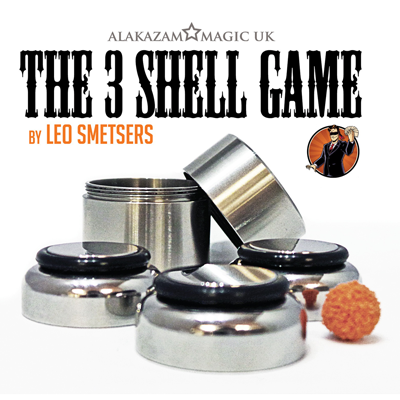
You’ll notice in the bottom center there is a space with no shells. That’s the shell game set that use when I’m out performing. I use Leo Smester’s shell game, and I highly recommend it. The only thing I changed was I don’t use his peas, I use the Perfect Pea made by School For Scoundrels.
Personally I prefer the “bowl” type sets. I had been doing the shells for a little while and found some little bowls in Chinatown when I was a teenager and started doing the shell game with them. Those bowls broke a long time ago, however ever since then I’ve preferred the bowl style.