Finishing a Book…

After starting to read the book Principia by Harapn Ong about a year ago, I finally finished it. It’s a book that I’d read a bit of it, then put it down and pick it back up a month later. It’s a great book, and there are a couple things in it that I’ve used … Continue reading “Finishing a Book…”

After starting to read the book Principia by Harapn Ong about a year ago, I finally finished it. It’s a book that I’d read a bit of it, then put it down and pick it back up a month later. It’s a great book, and there are a couple things in it that I’ve used throughout the year.

Pricipia by harpan ong

card magic book

Near the end of the book there are a couple of essay’s on the Trick That Cannot Be Explained. These are fantastic! There’s some great theory in them, not just on the card trick, but on tricks using multiple outs.


Also near the end, there’s a trick where the cards get mixed face up and face down. You find their selected card, and no the cards don’t all magically fix themselves. The cards not fixing themselves is what I think makes this trick great, and something that I think is going to go into my impromptu card magic toolbox.

If you do card magic, check out this book!

First Attempt…

Yesterday I finished my first attempt at making a clear coin for the Silver Extraction magic trick. I made the mold in silicone and cast it in a clear resin. The clear coin ended up having a lot more air bubbles in it than I would like it to have. At the end of the … Continue reading “First Attempt…”

Yesterday I finished my first attempt at making a clear coin for the Silver Extraction magic trick. I made the mold in silicone and cast it in a clear resin. The clear coin ended up having a lot more air bubbles in it than I would like it to have. At the end of the day, it’s a clear coin and would work for the trick.

After doing some research on the causes of the air bubbles, what it will take to remove them from future castings is something I’m not really set up right now to handle. I learned a lot from making this, mostly that clear castings are going to be a pain in the butt!!


Making Magic

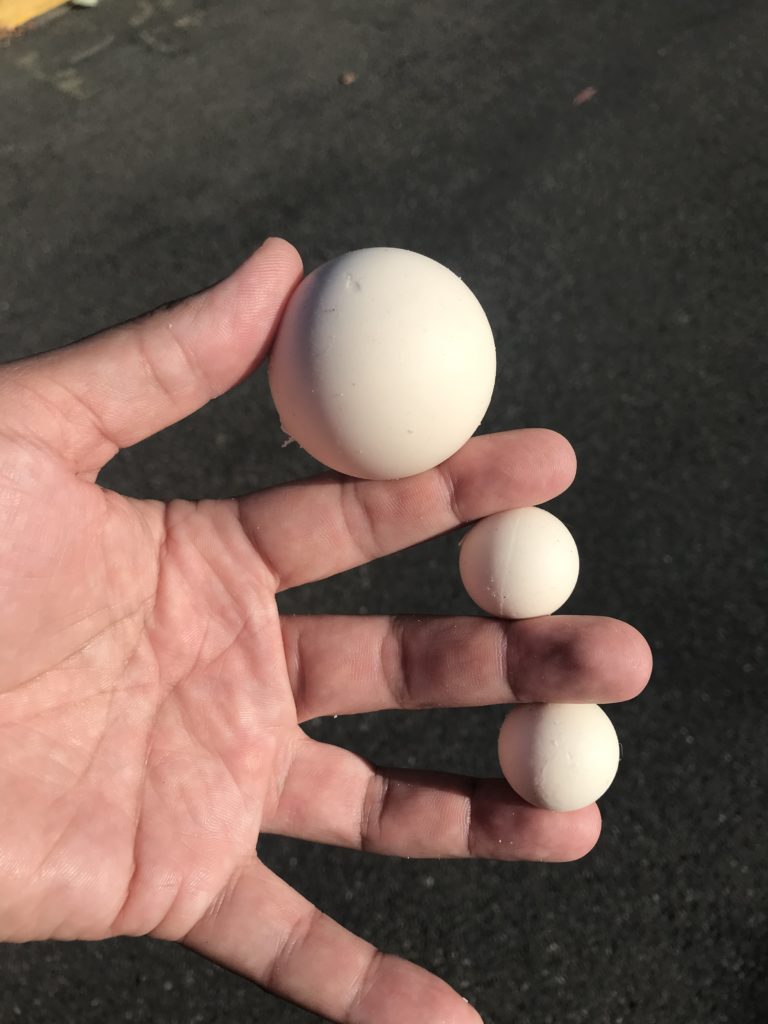
One thing I like to do when I’m learning to new things is to do them whenever I can for projects that I won’t necessarily use, but someone will. Right now I’m learning more about making silicone molds and casting things in resin. My current project is making some coins that will be clear. This … Continue reading “Making Magic”

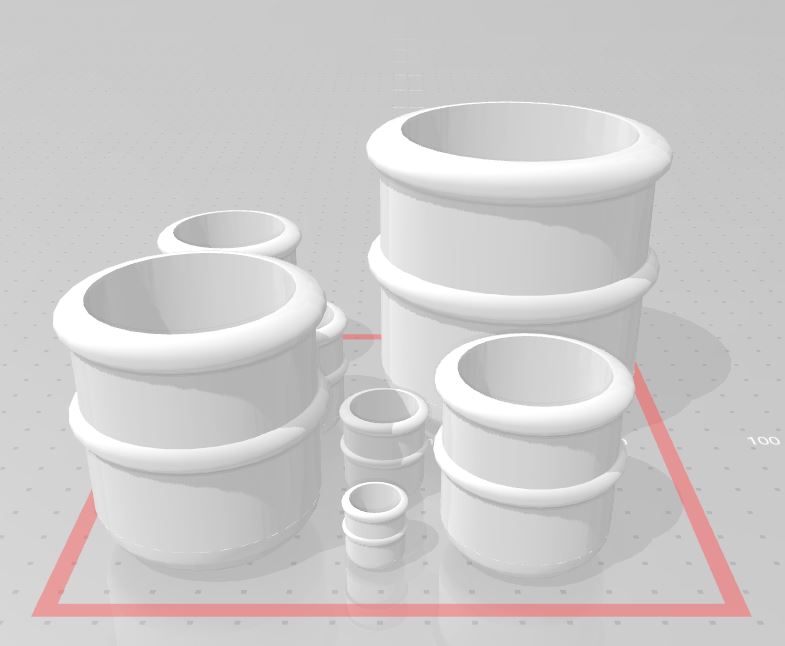
One thing I like to do when I’m learning to new things is to do them whenever I can for projects that I won’t necessarily use, but someone will. Right now I’m learning more about making silicone molds and casting things in resin.


My current project is making some coins that will be clear. This will be for the a trick similar to the Silver Extraction Coin trick.

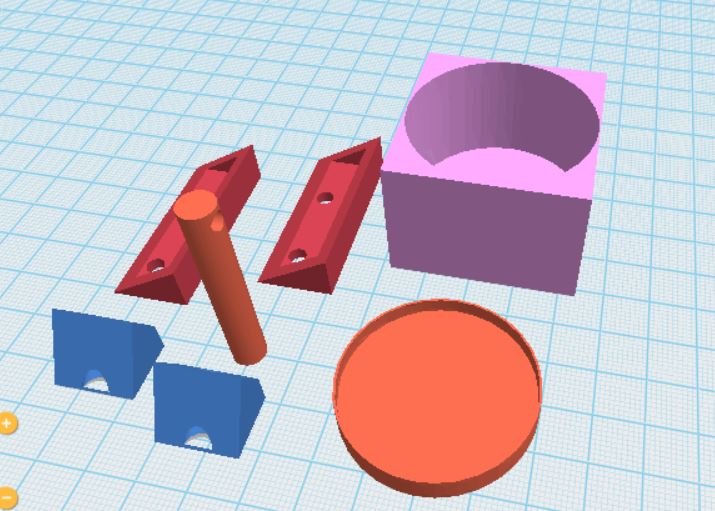
Above is the mold for the coins. After making the mold, I think there are a few changes I would make to it. We’ll see if these turn out.

Economy of Motion…

Recently I added the Silk in Light Bulb trick to my show. Essentially a silk that has disappeared reappears inside a light bulb. To do this or similar “in light bulb” type of tricks I’ve always used glass light bulbs. I hollowed out real glass light bulbs and used those. These look great and work … Continue reading “Economy of Motion…”

Recently I added the Silk in Light Bulb trick to my show. Essentially a silk that has disappeared reappears inside a light bulb. To do this or similar “in light bulb” type of tricks I’ve always used glass light bulbs. I hollowed out real glass light bulbs and used those. These look great and work great, but travelling with them is a pain as they are fragile.


About a week ago I was talking to another magician and he mentioned he started using plastic light bulbs. These have the metal base that unscrews giving you access to the inside. I ordered some and they showed up a couple days later. They look great, and I’m glad I ordered them, it’s going to make travelling much easier.


One problem with this style light bulb is how long it takes to unscrew it. There’s too much threading on the base:

silk in lightbulb magic trick

I took my Dremel and sanded off some of the threading:

Now it unscrews in less than one twist. That speeds up the moment from when the audience realizes it’s the silk in the light bulb to when you are displaying it.


Look at your show and figure out where there’s wasted procedural motion. Once you find that, try to figure out ways to eliminate it. That will tighten up your show.

Premonition…

One of the card magic plots going around right now is a “Card To Pocket” that’s done in the style of Eddie Joeseph’s Premonition. Right now Max Maven’s Pocket Nightmare and the Other Brother’s Card To Pocket are just coming out. The trick is a card is selected, the cards are gone through and there … Continue reading “Premonition…”

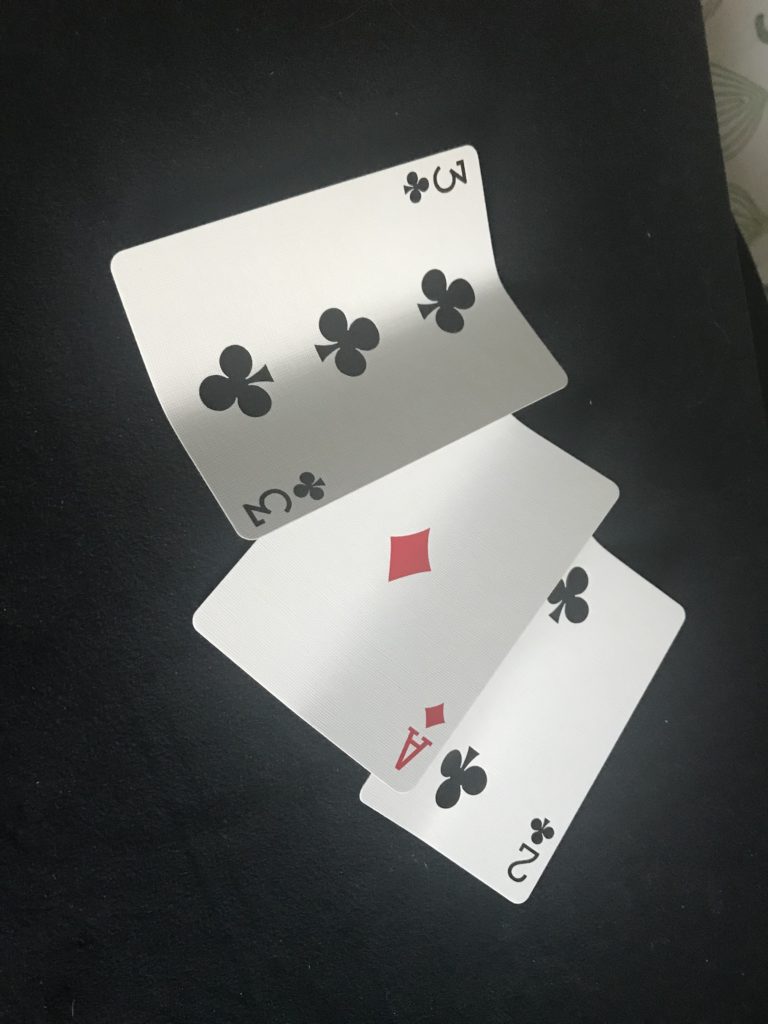
One of the card magic plots going around right now is a “Card To Pocket” that’s done in the style of Eddie Joeseph’s Premonition. Right now Max Maven’s Pocket Nightmare and the Other Brother’s Card To Pocket are just coming out. The trick is a card is selected, the cards are gone through and there are only 51 cards, their card is missing. It’s then produced from your pocket.

Last night I was reading the book Concertos for Pasteboards and there’s a Card to Pocket by Roberto Giobbi called A Case For Premonition. This one uses one normal deck, which is a huge advantage for me than the two marketed ones. The disadvantage is that I need to deal the cards instead of letting a spectator go through the cards. Personally I think the condition of the audience dealing is a that impresses magicians more than non-magicians (in most cases).

After working through the one in the book, I did a couple of tweaks. There’s a moment where you need to spread through the cards to find selected card that had just disappeared. I didn’t like that, so in the dealing process I deal them a bit sloppy and side jog the card before the selected card, which lets me find it without spreading the cards. The other thing I changed was the need for a cull palm. Instead as I pick up the deck I do the pass that’s used in Bob Farmer’s Bammo Card Walloper to bring the card to the top and simply palm it.


I’m excited to try this out on real people to see how it plays. I think this will be one of the tricks that I do as part of an informal card set. I always like reading a trick and immediately know that if I change a couple of things it will work with my body vocabulary.

Broom Balance…

On social media yesterday a hoax about balancing a broom upright went around. Well the hoax was that “because planets were aligned” you could do it, besides the fact that you can do it anytime, you just need to try. If you keep your eye out for trends like this, they are a good way … Continue reading “Broom Balance…”

On social media yesterday a hoax about balancing a broom upright went around. Well the hoax was that “because planets were aligned” you could do it, besides the fact that you can do it anytime, you just need to try. If you keep your eye out for trends like this, they are a good way to pitch yourself to get on the local news or have a picture get shared a lot.


Here’s what I did:

Unfortunately, I was busy most of the day and unable to hustle this picture early in the day. I think that a video of someone doing the trick Balance or Stasis if presented properly would would go viral, or at least get someone some media attention.


Keep an eye out for things that are blowing up on social media and think about what you can do with that premise. Sure it’s probably something that you won’t be doing outside of that particular instance, but it’s a good for creativity and if something goes viral, then it’s good for you!

Kid Show vs. Family Show

One of the big changes in my career happened when I learned the difference from a Kid Show and a Family Show. A kid show is when the audience is a large majority of children, so something like a school assembly or birthday party. A family show is when kids are about less than half … Continue reading “Kid Show vs. Family Show”

One of the big changes in my career happened when I learned the difference from a Kid Show and a Family Show. A kid show is when the audience is a large majority of children, so something like a school assembly or birthday party. A family show is when kids are about less than half of the audience. This is an important distinction.

Yesterday I did a show at a community center and the audience:

The audience was mostly adults. For a show to be successful you need to be able to engage the whole audience. In family shows there really aren’t any “kid magic tricks” that have low magical effect. Every trick is a good trick.


The humor is aimed at the adults, I make the kids step up, instead of making the adults step down for laughs. I don’t do any “turn it around” type gags, I have to dig a bit deeper for the laughs. For me this is the secret to my success on a local level.

After The Force…

The other night I finished up reading After The Force by Ron Frost. I think it’s important to keep learning. There are tons of magicians I know that don’t learn magic for fun. They only learn something when they have to, which I think is the wrong approach. I think that magicians need to keep … Continue reading “After The Force…”

The other night I finished up reading After The Force by Ron Frost. I think it’s important to keep learning. There are tons of magicians I know that don’t learn magic for fun. They only learn something when they have to, which I think is the wrong approach. I think that magicians need to keep on top of techniques and tricks.

image from Vanishing Inc

This book’s title is a bit misleading, I expected just endings to card tricks. The first part of the book teaches you how to force cards in a variety of ways. I agree with Ron’s assertion that the Classic Force is the best force. Then he teaches you a lot of tricks that uses forces, but in the context of the whole tricks. It’s the trick start to finish. Not that it’s a bad thing, I just thought it’d be something a bit different.


I’m glad I read the book, and worked through the stuff in it, however I don’t think anything from it is moving into my working set. It’s not that the stuff is bad, it’s just not for my show. There is one move in the book that will move into my “toolbox” or moves that I use when a situation calls for it. The big thing is to keep educating yourself on techniques and grow as a magician.

Hold on a Moment…

About a week or so ago I saw a local magic show in Seattle. The show was good and one of the performers asked me for some notes on his performance. The thing I told him, and this is something that I consciously have to do in my show is to pause to display the … Continue reading “Hold on a Moment…”

About a week or so ago I saw a local magic show in Seattle. The show was good and one of the performers asked me for some notes on his performance. The thing I told him, and this is something that I consciously have to do in my show is to pause to display the prop after the magic has happened.


In my show I do a trick where a drawing disappears and reappears inside a ball of yarn. When the drawing comes out, I unfold it and show it to the audience. When I show it, I pause and silently count in my head from one to three. This lets people process what they are seeing.

One of the challenges as a performer is that you know what it happening, so your brain doesn’t need to process what it’s seeing. The audience needs a few beats to figure out what’s going on. Simply holding a item for a dedicated amount of time makes a huge difference in audience reception!

More on Projection…

Yesterday I wrote about using projection in my show. The key is to enhance the live action, not to replace viewing it from the stage to the screen. Basically the idea is to have the action happen live on stage and visible to the audience, but then using the screen to verify or highlight smaller … Continue reading “More on Projection…”

Yesterday I wrote about using projection in my show. The key is to enhance the live action, not to replace viewing it from the stage to the screen. Basically the idea is to have the action happen live on stage and visible to the audience, but then using the screen to verify or highlight smaller details.


A good example of this would be a Signed Card to Pocket. The main props which are cards are large and can be seen in a large theater. The signature or specific card number is smaller. Having a screen to project the signed card onto will make the effect play larger.

My idea for working solo is to have a dedicated table with a camera on it and then the projector and screen. In a lot of venues I won’t need to provide the screen, as they will have one already, or I may be able to directly project the image onto a wall behind me. Projecting onto the wall as needed is the ideal situation.