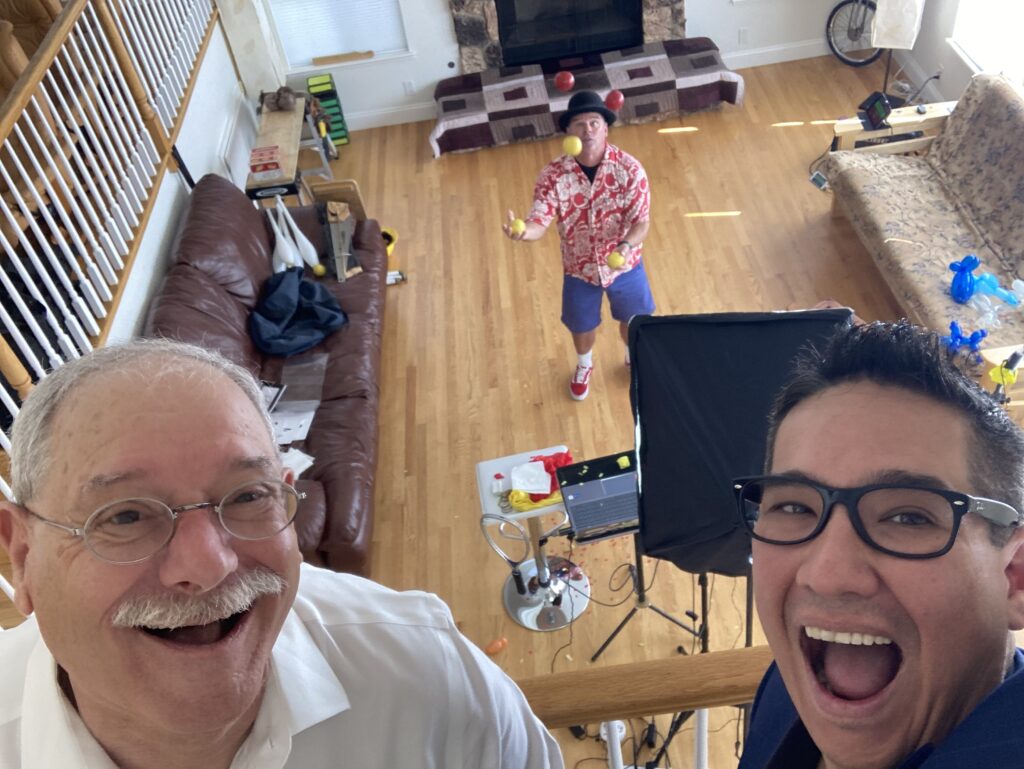
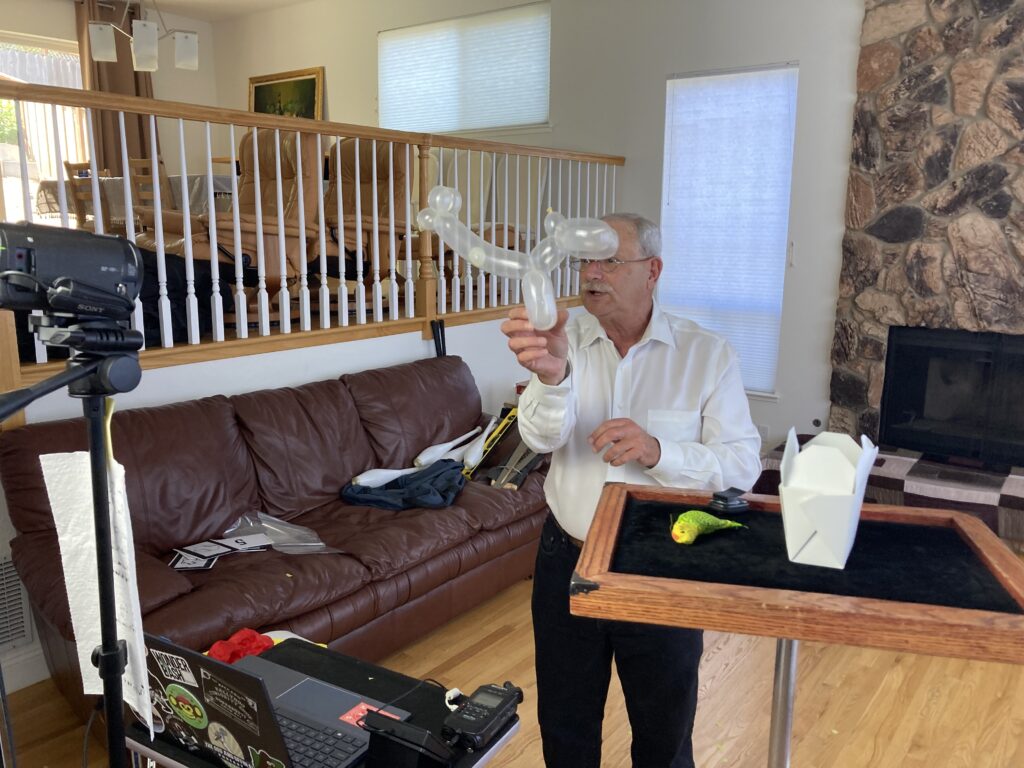
On this weeks episode due to a last minute cancellation of a guest, Moisture Festival cohost Louie Foxx steps in to be interviewed!
We learn about his beginnings performing on the street, how he got a robot onto America’s Got Talent and all of Louie’s varied skills. This is a great interview with on of the podcast’s hosts!
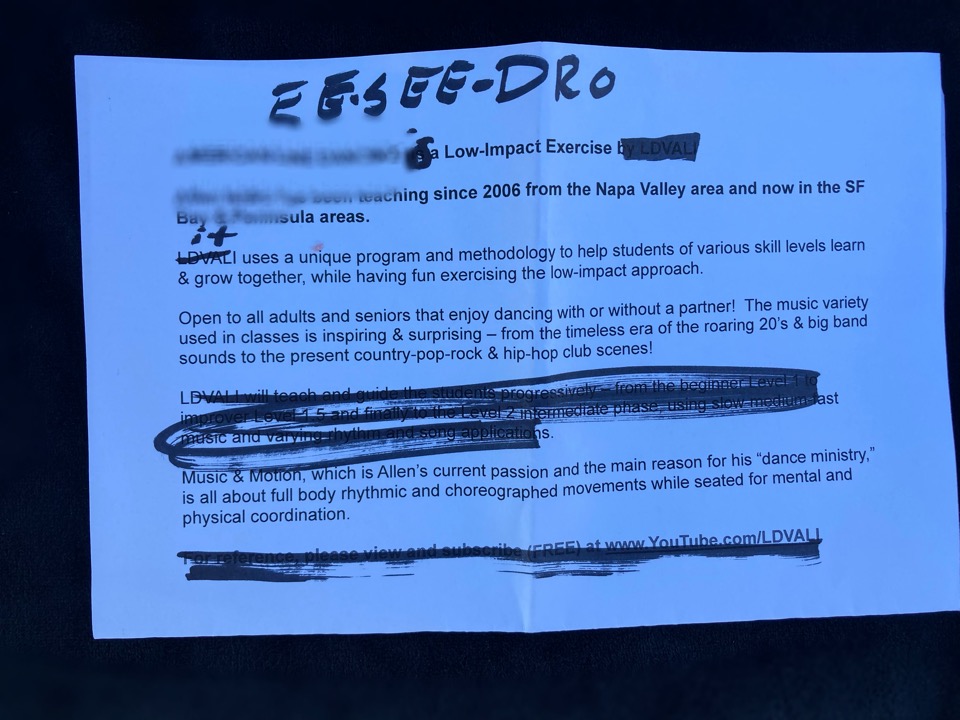
Last week I was doing a stage hosting gig, and I’m amazed at how many acts don’t know the difference between an introduction and a bio. I was frequently handed introductions that were a half of page, or more!
Here’s an example of something I was handed to read:
I had to do some editing to the intro, and it was still a lot longer than it needed to be!
An introduction should be a few bullet points, the idea is to put a little bit of context into what people are about to see…not tell the whole story. You’re going to tell the full story onstage with whatever your act is.
A simple formula for writing an intro is three bullet points:
Where you’re from
Cool sounding accomplishment(s)
What you do
That is then followed by your name. It’s pretty simple. Sure there are reasons to do longer introductions, or more complex ones, however the majority of shows don’t need those.
Also giving tips on how to say uncommon names is super handy for the host/MC.
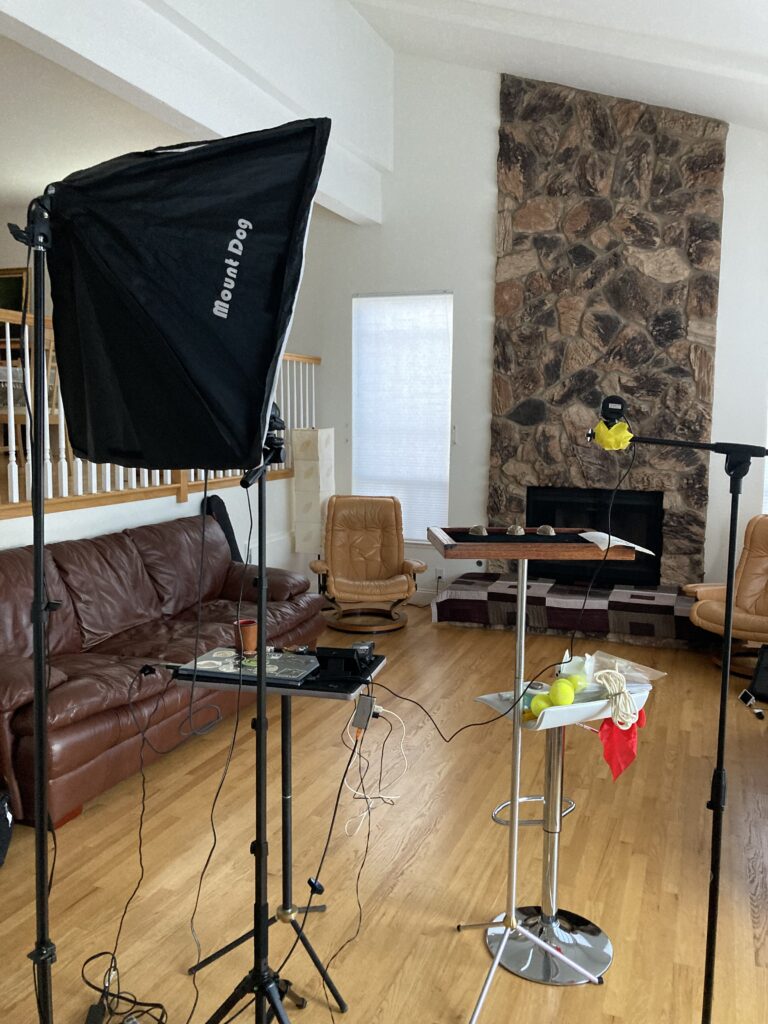
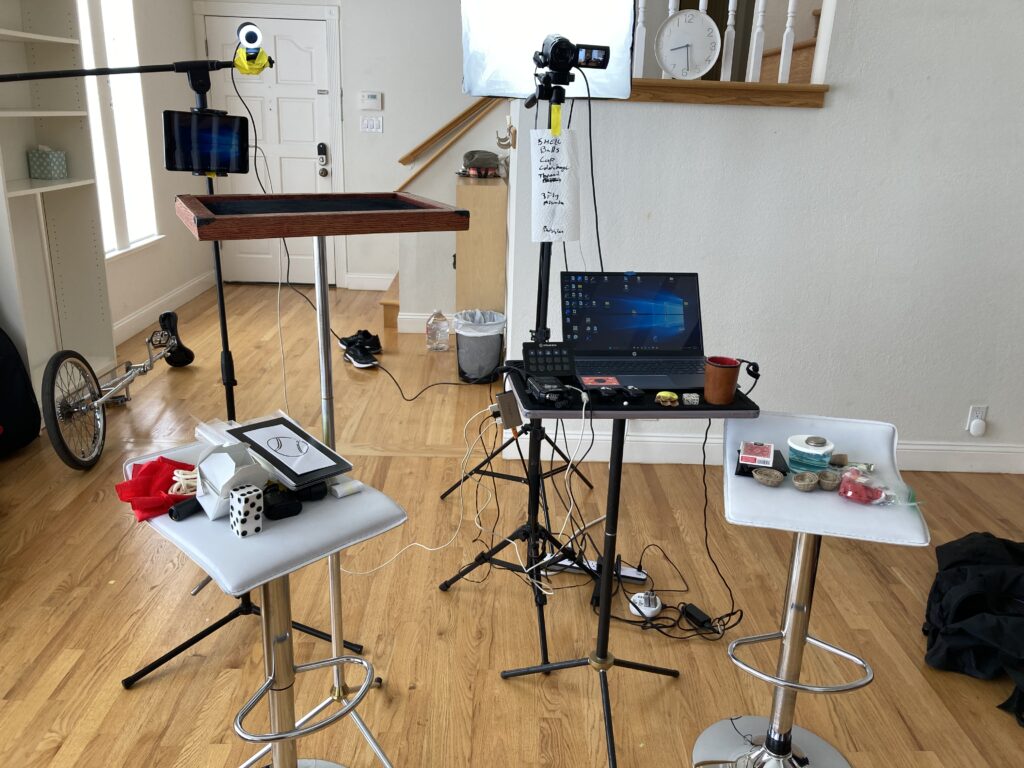
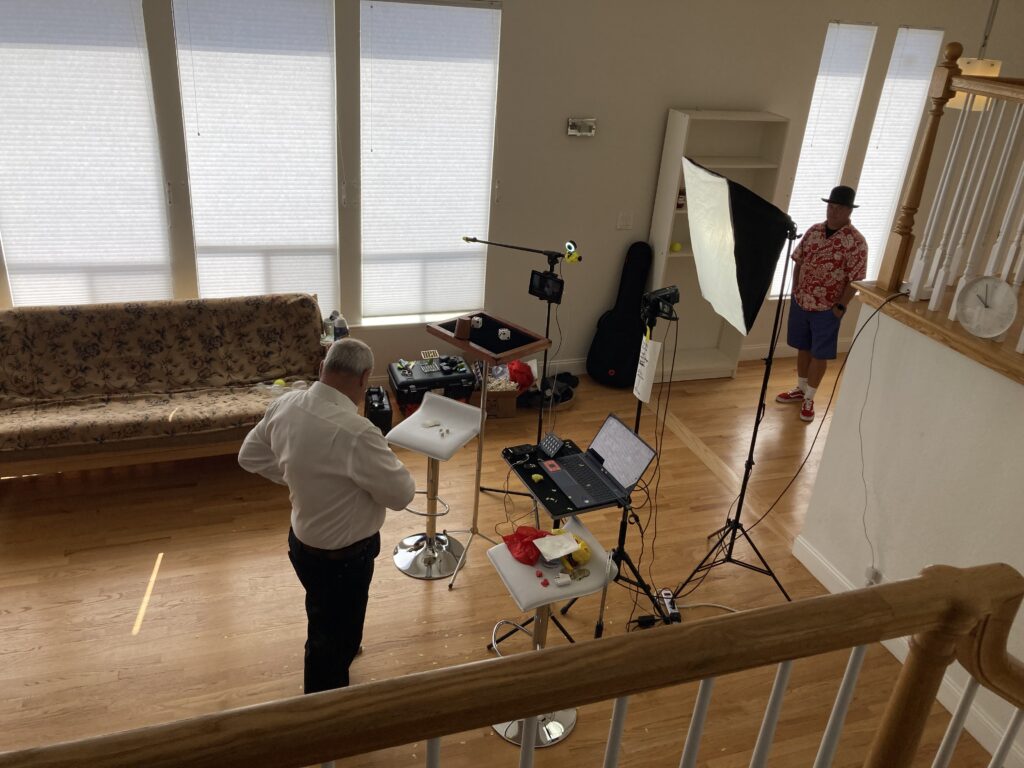
Last week I think I did my final virtual show…well at least the last one with all the technical bells and whistles. This was lower tech, I didn’t use my ATEM mini, or any production software, just Zoom and a stream deck.
This was a fun show because I did it with Roberto the Magnificent and Dennis Forel at an airBnB while we were performing at a different event.
It’s been a year since a did a virtual show and it’s not worth keeping up with how to run the technology if I’m only doing one virtual show a year. However it’s easy to use Zoom as a camera switcher, and simply play music in the room instead of playing it through a virtual cable on my computer. It’s not as slick as using production software, but doable.
About a week ago I ran into a magician and said they had the best children’s show in town. Unfortunately I was unable to make it to their upcoming show, however when I looked up their show, it reminded me of how important it is to have a good short description of your show.
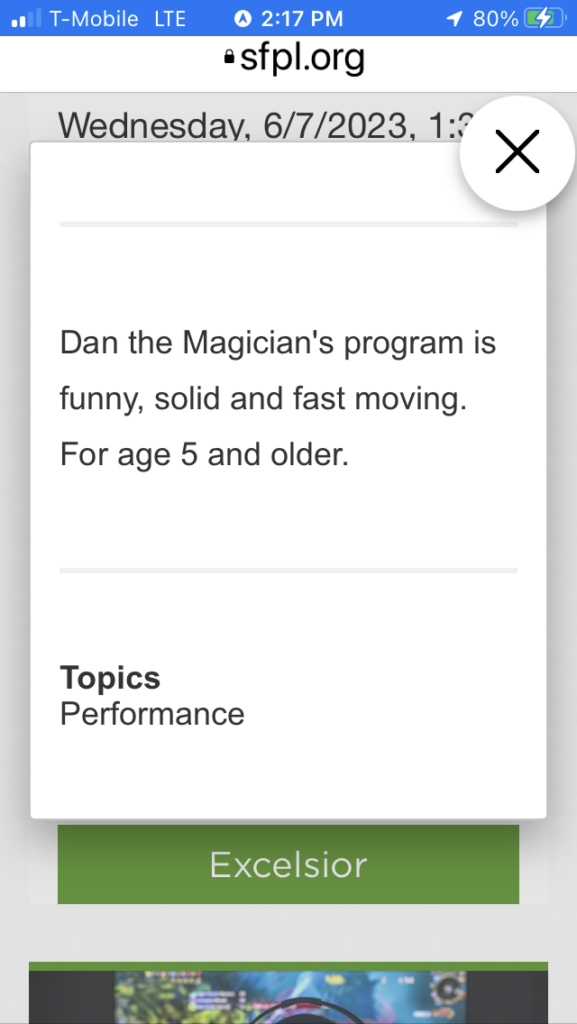
Here’s how their show was described on the event website:
It’s entirely possible that the performer sent them a better show description and that event went rogue and used something other than what was provided.
Personally I don’t think that one sentence description is going to put any butts in seats. I think there’s a lot of wasted space in that, specifically the “solid and fast moving” part. I don’t think that tells me about the show. I’m not sure what “solid” means to people outside of the industry. I think a better line would have been, “Dan’s magic show has amazing magic, and hilarious family friendly comedy“. I’m sure there’s something better than that.
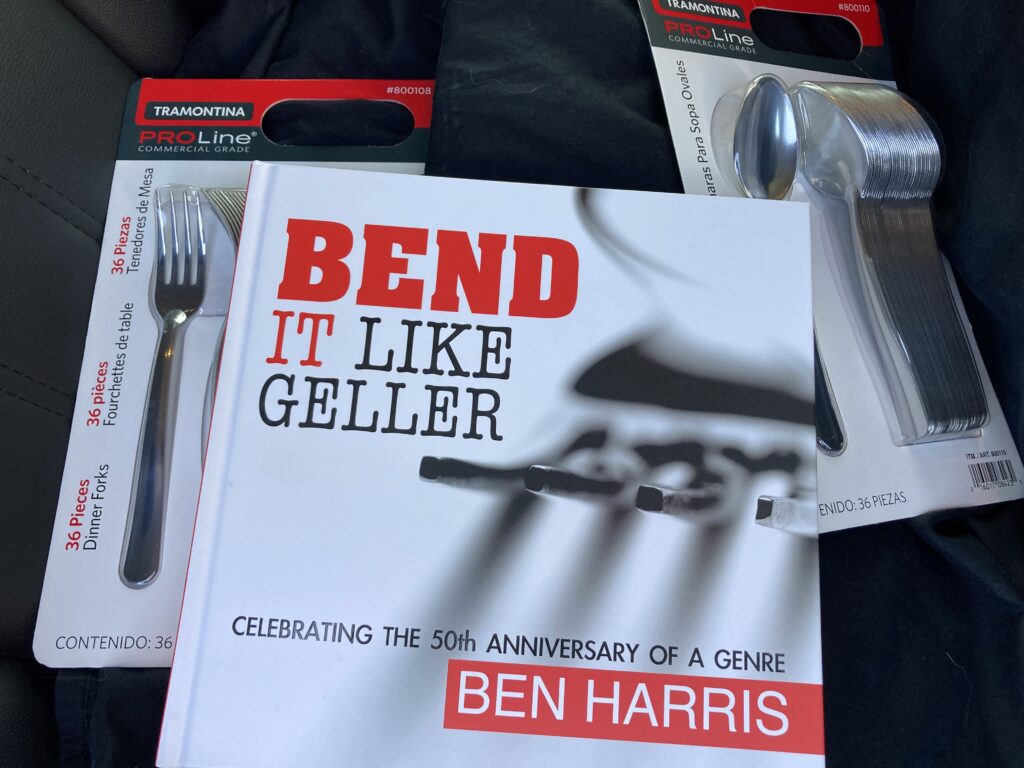
This week I’ve started reading Ben Harris‘s new book Bend It Like Geller. This book is about Uri Geller and spoon/metal bending.
I’m not very far into it, but I didn’t know that according to Ben that Uri Geller was the first person to really bend spoons. That kinda suprised me, Ben mentions that there were spoon bends before Uri Geller, but they were mostly gags, and not bent with your brain power.
This book also goes into routines and methods for different bends. I picked up a few packs of spoons and forks from Costco, so I can work through the book.
I’m enjoying this book so far, and Ben Harris always does a good job with how he lays out the book, and it looks super slick! -Louie
When I travel I try to do shows for senior groups. This is a great way to fill a day when I get into a city the day before a bigger contract. I recently did one, and when I arrived the lady at the desk told me to have a seat in the lobby and someone will be there to get me soon.
Personally I never sit down, especially if it’s out of view of the person at the desk. I always stand near the desk.
The reason for not sitting is simple, I frequently get “forgotten” about when I sit out of view. I don’t know why, I guess whoever is supposed to get me gets side tracked, or whatever. When I stand in view, it’s a constant reminder that I’m still waiting. Usually after a few minutes if I’m still there, the person at the desk will follow up with whoever is supposed to get me. When I’m out of view and sitting, there person at the desk won’t know you’re still there and after about 5 mins I have to ask again. That’s time that I could be setting up.
-Louie PS if you’re interested in performing at Senior Centers and Retirement Communities, check out my book How To Perform For Seniors!
For some reason I’ve never really liked the Assistant’s Revenge Illusion. I think that from a method standpoint, it works exactly how anyone would think it does. If you’re not familiar with the trick, here’s what it looks like:
What the trick has going for it is that it has a nice surprise, where the audience is expecting the magician to escape, but it’s a substitution. I’m going to imagine it packs pretty flat and it plays big. I’m not knocking anyone that does the trick, I just think the trick is just “meh”.
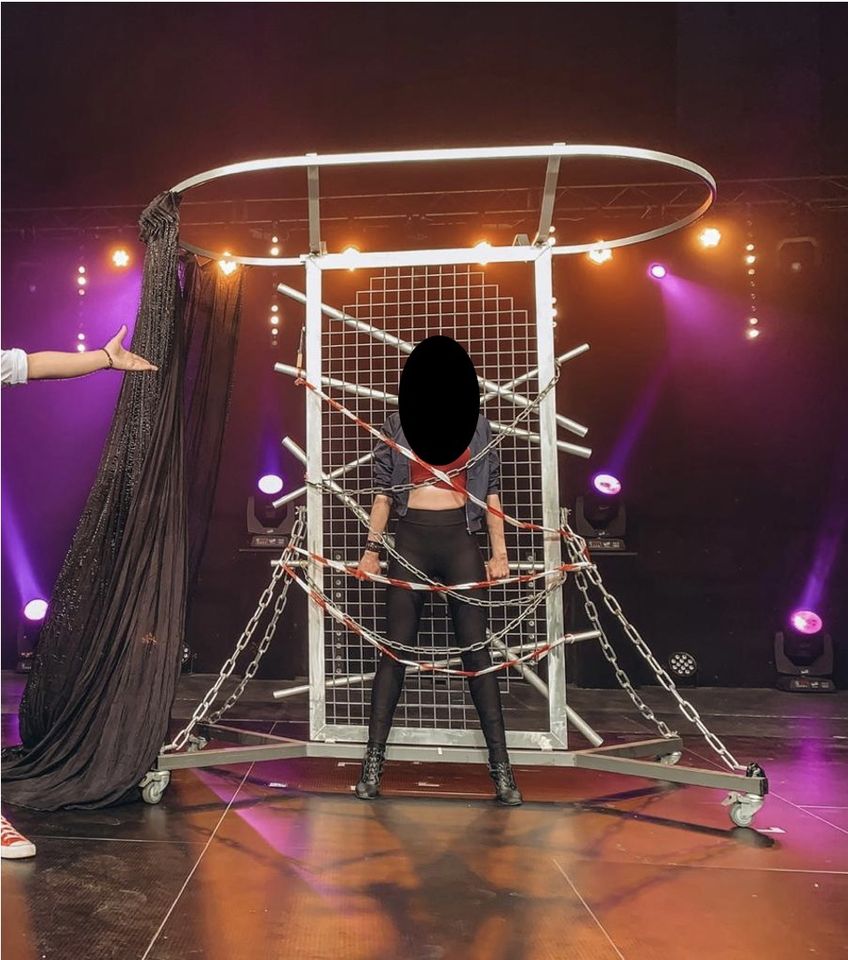
Recently this one popped up for sale:
This pic is what got me thinking about why I don’t like the trick. The chains end up soo loose on usually the female “assistant” that there’s really no reason why the person couldn’t just slip out. If you watch the video above, you can see how loose they are at the end. I do understand that at the beginning they are tight, but that’s not the final image the audience is left with.
The trick would be greatly improved with some sort of handcuff type restraint, but I also think that would make the switch much slower.
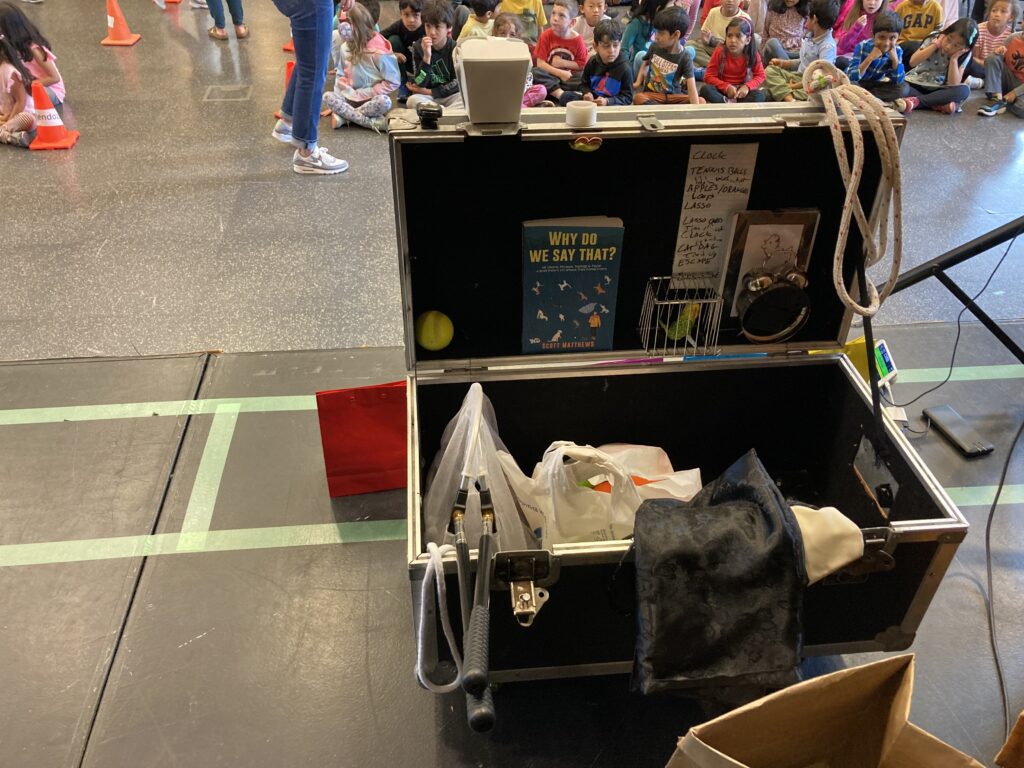
One thing I love it how other magicians have their props onstage. Not what the audience sees, but the magician’s view. A couple of weeks ago when I was doing my Incredible Idiom show, this is what the inside of my prop case looks like.
All of my props are easily grabbed and put away. There’s no fumbling, I’ve cut out all the dead time of bringing props into view.
I’m still amazed at how many magic shows I see where the performer ducks out of view behind their case looking for a prop. This is usually done by magicians who don’t have a firm set list, and simply chose the next trick on the fly and their show’s flow is different every time.
Having a set list will make your show better! You can see mine on the inside of the case!
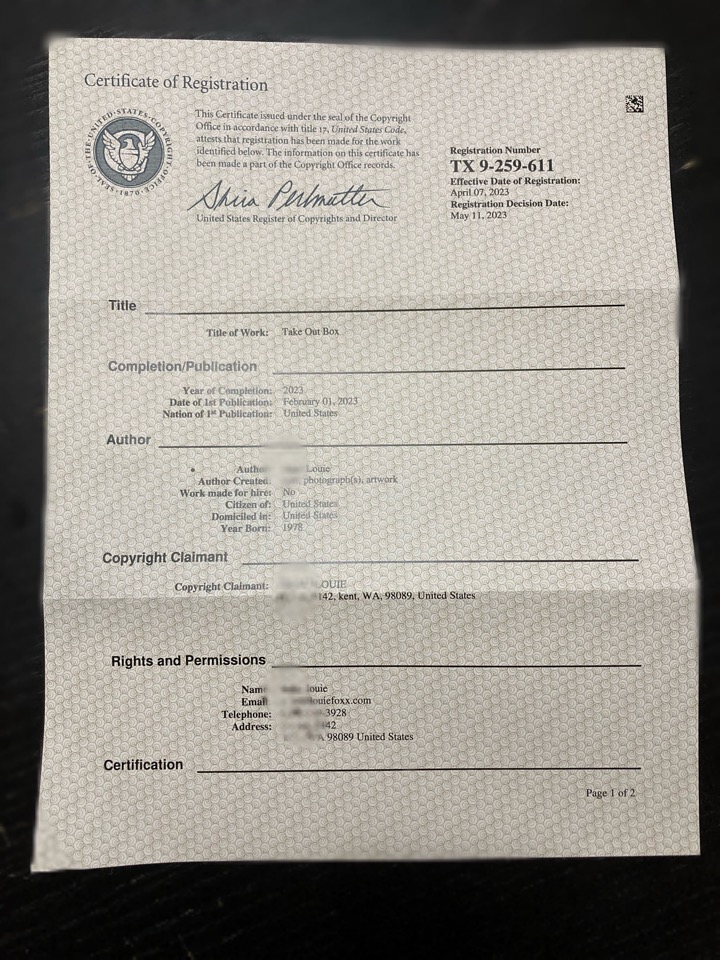
Something that always surprises me is that part of marketing a magic trick for most magicians isn’t registering a copyright for their pics, art, trailer and ad copy. Especially for the larger magic companies, where when you search for major releases on sites like AliExpress there are soo many knock offs or pirated copies.
For me part of the process once I get the final version of the art, instructions and ad copy is to register the copyright. This cost $65, so it’s inexpensive, and you don’t need an attorney to do it. Once you get that copyright registration number, it gives you a tool to stop pirated or knock off versions from being sold.
I just got my certificate for my Take Out Box trick in the mail the other day.
You can read about how I enforce my copyrights and trademark here: http://www.magicshow.tips/evaporation/an-intellectual-property-case-study/
If you’re thinking about releasing a magic trick, make this part of your process.
I haven’t put it on my phone yet, however I like the idea of using it to force the fractions of a second. I have an idea for it…I want to have a breath holding contest with person from the audience and ultimately the game tied down to the fraction of seconds. This would be revealed by a prediction that is revealed in stages.
I haven’t gotten to play with the app yet, so my opinion may change once I actually use it.